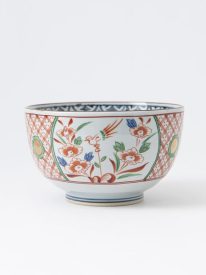
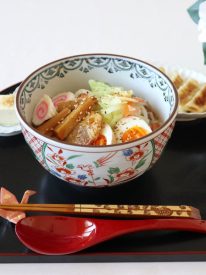
This large donburi bowl features a stunning flower garden design nestled between a lattice-like pattern. The focus on red and green against a pure white base, appears even more vibrant with the addition of blue accents and subtle gold details. The painted design is rendered in a combination of styles inspired by nishiki-e and banreki….
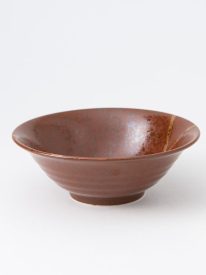
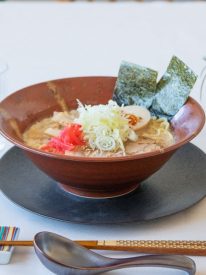
The popular children’s game of ayatori “cat’s cradle” serves as a unique design inspiration for this regular-sized ramen bowl. The bowl’s deep red-brown surface is elegantly adorned with bold, intersecting lines in light brown, reminiscent of the game’s threads. Shaped using a potter’s wheel, this piece has a pleasant weight and warmth to the touch that…
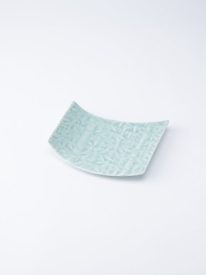
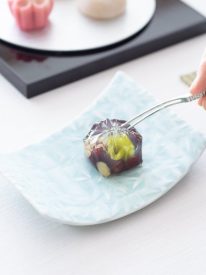
The graceful matte celadon texture of this bamboo-inspired side plate conveys tenderness the moment you touch it. The bamboo motif is intricately engraved, creating a detailed three-dimensional effect that is beautifully enhanced by the subtle gradations of celadon porcelain. The design evokes the serene atmosphere of a bamboo forest, with the plate’s slightly curled edges…
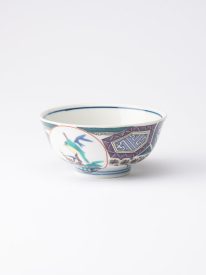
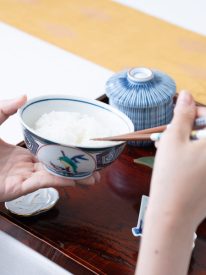
This Japanese rice bowl has a typical design of the Ko-Kutani (old Kutani) style dating back to mid-17th century, depicting the nature-themed motif and traditional patterns and distinctive bright colors of Kutani ware. It is painted with the five colors of red, yellow, green, purple and dark blue, known as “Go-Sai” in Japanese. Kutani ware uses…
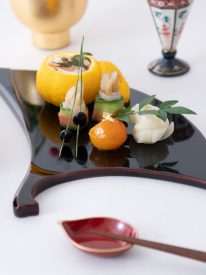
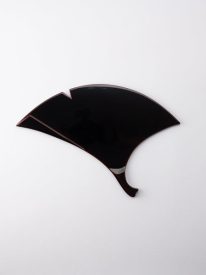
This beautiful glossy plate features a shape of a ginkgo leave that is finished with a lacquered technique called “Tame-nuri.” Tame-nuri is a lacquering technique in which the red color can be seen through the translucent lacquer by applying a coat of translucent black lacquer on top of a middle coat of red lacquer….
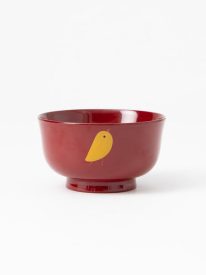
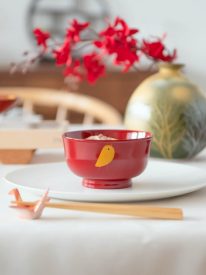
This charming soup bowl is sized for children to hold with ease, adding warmth and playfulness to mealtime. An artisan has delicately hand-painted a sweet chick motif, showcasing fine craftsmanship in every detail. Hollowed from domestic wood and finished with a smooth lacquer, it has a slightly thicker design to prevent heat from transferring to…
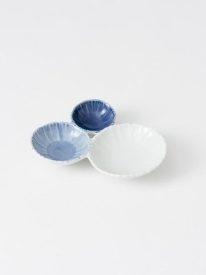
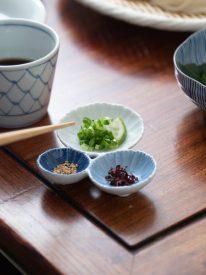
This unique plate is shaped like three flowers connected together, each in a different color: white, light blue, and blue. Its shape and design make it perfect for serving soy sauce and small relishessuch as spring onions, wasabi, ground ginger, and sesame seedswhich are commonly served alongside soy sauce when enjoying sashimi or sushi.
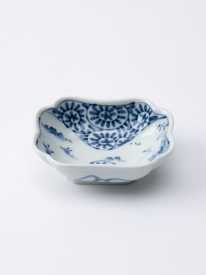
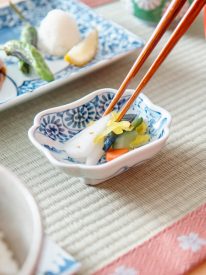
This indigo-dyed, rectangular kobachi small bowl is crafted by Takayama, a renowned maker of Hasami porcelain. The interior of the plate is delicately decorated with a serene landscape scene, beautifully framed by the traditional octopus arabesquetako karakusapattern. This design, featuring endlessly winding vines, has long been cherished in Japan as an auspicious motif symbolizing longevity and…
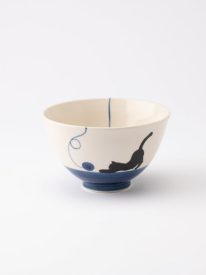
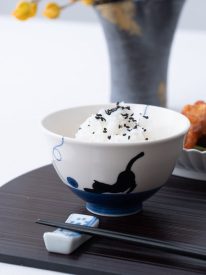
This easy-to-use Japanese rice bowl features a cat playing with blue yarn on a smooth porcelain which is typical of Hasami Ware. With a diameter of 11.4cm(4.5in), it is a perfect bowl for serving an average portion of rice. There is also a teacup in the same series. How about matching them as a gift for friends…
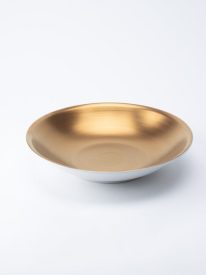
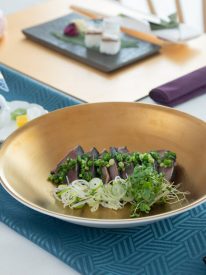
This large serving bowl is colored in gorgeous gold on the inside and a clear white on the outside. This deep plate can be used to serve a salad or a main course. It is perfect for parties to lavishly display a leafy salad in bright green colors or to plate sashimi. The slightly grainy…
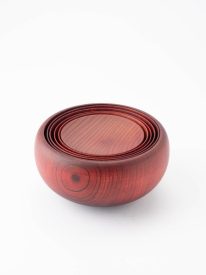
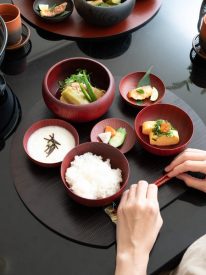
Oryoki is a functional set of bowls inspired by Zen Buddhist principles, designed to minimize waste with a functional, minimalist style that suits modern tables. The set stacks perfectly, with smaller bowls nesting neatly inside the largest, ensuring easy storage and portability. This compact design allows even a six-layer set to be stored effortlessly, making…
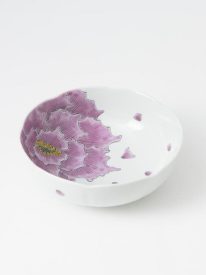
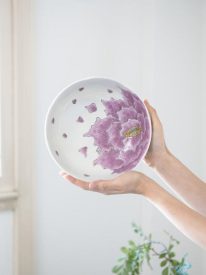
The large bowl features a beautiful pink peony, hand-painted by artist Fukuda Yoshinori. A large peony is designed to fit the round bowl, with scattered petals drawn around it and on the outside of the bowl. Rooted in the rich tradition of Kutani ware, Fukuda Yoshinori brings his mastery of akae, Yoshidaya, and ko-kutani styles…

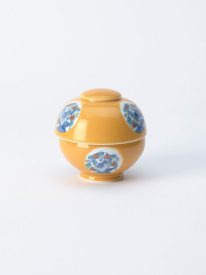 Yellow Glaze Bird and Flower Motif Chawanmushi Bowl
 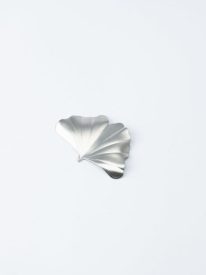 Tsubame Hutlery Silver Ginkgo Leaf Chopstick Rest
 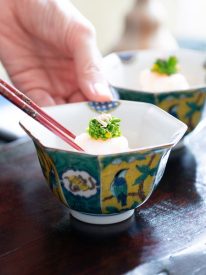 Yoshidaya Peach and Bird Kutani Kobachi Bowl Set