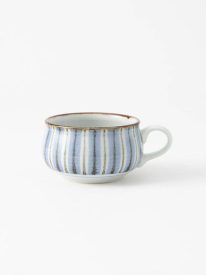
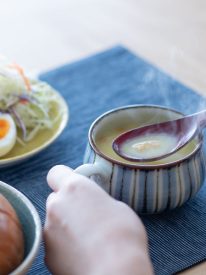
This soup bowl features delicate blue stripes and a warm brown rim, capturing the charm of hand-painted craftsmanship. The soft contrast of colors and subtle brushstroke variations add unique character to each piece, making every bowl one of a kind. With its gently rounded shape, this bowl creates a cozy, inviting feel. While designed for…
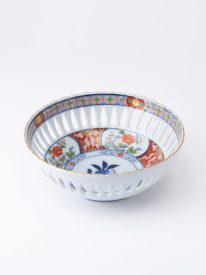
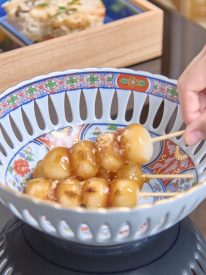
A unique piece with the lace cut design and symmetrical floral patterns on the bottom and sides. The dark blue pomegranate in the middle is a wonderful contrast against the vermillion red floral patterns on the side. The lace cut gives the bowl a lighter look and the lighting that comes through the cuts create…
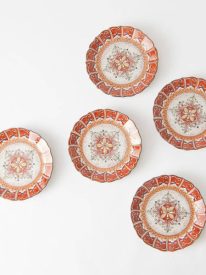
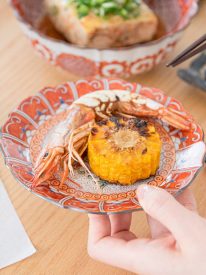
This Japanese plate set serves as a versatile option for individual dishes, adding elegance to any meal. Placing matching plates on the table creates a cohesive and refined Japanese dining experience. Characterized by intricate red designs, delicate rim patterns, and subtle gold accents, this style showcases exceptional craftsmanship. The detailed artwork in the Iidaya/Akae tradition…
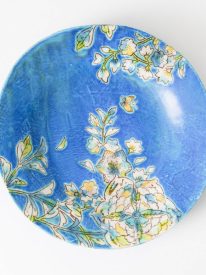
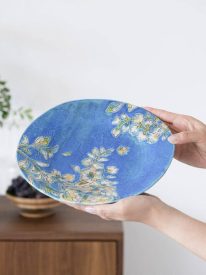
A rich turquoise glaze with a natural gradient flows across the surface, created by expressive, hand-painted brushstrokes. Delicate flowers in soft shades of yellow, blue, and white spread across the plate. The intricate pattern extends beyond the rim, while fine kannyu crackles enhance the textural richness. The generous size and slightly curved form make this…
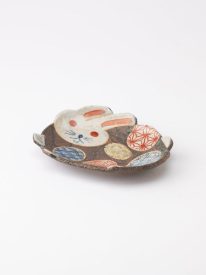
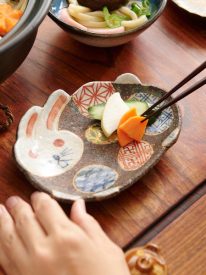
Enjoy meal time with this unique plate from Kousai Kiln. This charmingly designed plate is handmade combining the Shigaraki style “Yakishime(high-fired unglazed ceramics)” and traditional “Some-nishiki,” a technique where a?product is first glazed with white and blue patterns and then is further decorated with detailed hand-painted drawings.Stoneware items are rarely seen in Hasami Ware….
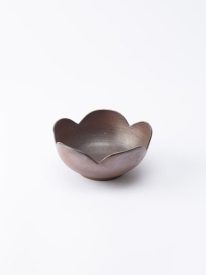
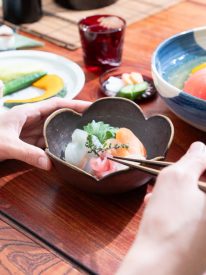
The Hozan Kiln’s Flower-Shaped Kobachi Bowl embodies the earthy textures and colors characteristic of Bizen ware. Its coarse texture, exquisite hues, and intricate patterns, shaped by the kiln’s flames, exemplify Bizen warethe art of clay and fire. Without any artificial decorations, the bowl stands out with its bold presence. The petal-shaped rim displays natural hues…
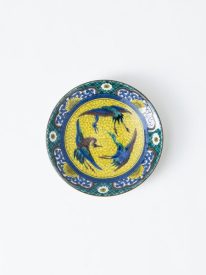
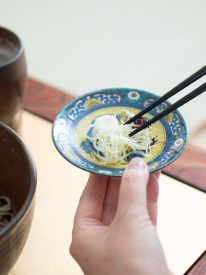
This sauce plate features three cranes flying freely as if they are dancing. A crane is a symbol of longevity and good fortune in Japan from ancient times. Kutani ware uses a brush for painting with Japanese coloring paint, as you can see the painted bird is slightly thickened and standing out. It is the perfect…
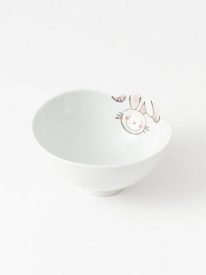
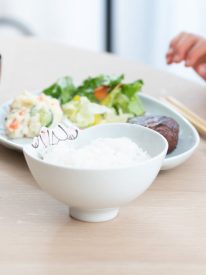
This unique rice bowl has a rabbit’s face on the inside and the back of two rabbits on the outside. The rim is designed to follow the rabbit’s face. The expression of the rabbit, and the combination of pink and white colors are very adorable. With its humorous design and easy to use size, it…
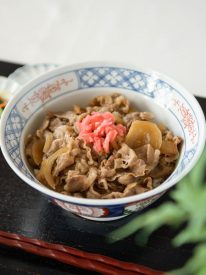
This donburi bowl boasts an attractive celadon finish. The combination of the undulating surface and the smooth, lustrous glaze provides a delightful tactile experience. Shaped using a potter’s wheel, this piece has a pleasant weight that makes it a pleasure to hold in one’s hands. The bowl is perfect for a variety of donburi dishes,…
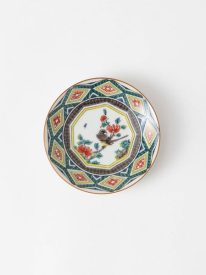
This sauce plate features red flowers and a bird, painted in the traditional ko-Kutani style. Perfectly sized as a sauce plate, it is also versatile for serving cheese, nuts, condiments, and other small bites. For a more stylish and sophisticated presentation, you can serve small portions of food or relishes by placing it on a…
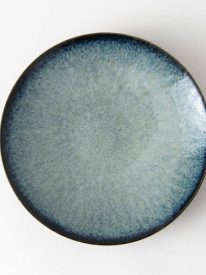
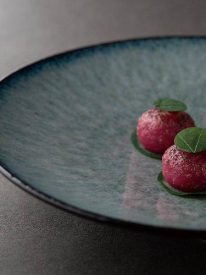
This modern dinner plate features a stunning icy blue gradient that enhances the presentation of any dish. Durable and user-friendly, it’s a popular choice in restaurants worldwide for its balance of functionality and design. Ideal for a range of dishes, from beautifully arranged main courses to shared appetizers, its generous size accommodates meals like grilled…
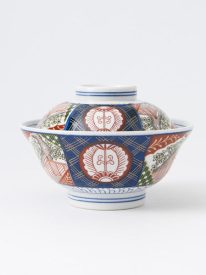
This regular-sized Japanese donburi rice bowl features sakura, or cherry blossoms, framed by dark blue, lattice-like patterns, all rendered in the traditional nishiki-e style. Nishiki-e, meaning “brocade picture,” is a multi-colored woodblock print technique that revolutionized ukiyo-e during the Edo period (1603-1868 CE), when most prints were in black and white. The lid helps keep the…

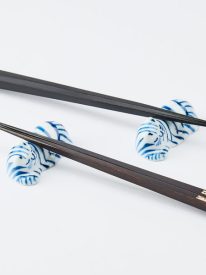 Cat Chopstick Rest Set
 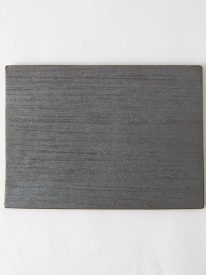 Black Tanka Rectangle Dinner Plate 11.2 in
 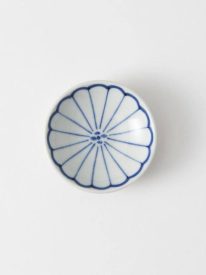 Indigo Brush Chrysanthemum Sauce Plate