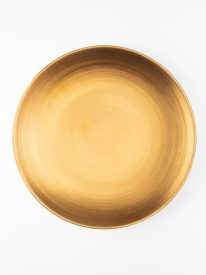
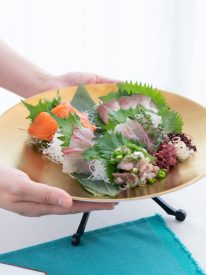
This beautifully gold dinner plate, with its artisan brushed texture, gives it a sense of dignity and complements all kinds of dishes. It can be used as a serving plate for any types of dish. Appetizers, salad, main dish are the perfect match. The gorgeous colors make it a great choice for layering with plates from…
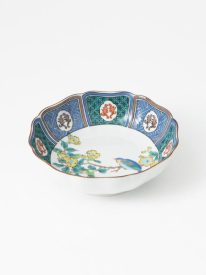
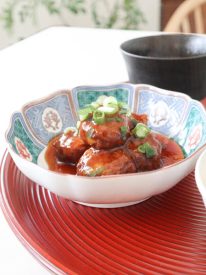
This bowl is decorated with Hypericum and Birds. The size is suitable for serving salad, appetizers such as Sunomono(vinegared food), Aemono(Seasoned or sauced food) or Nimono(simmered food) and any side dish. See more items from our Kutani ware collection to create traditional meets modern table setting. PRODUCT DETAIL Dimension: 16cm(6.29in) x 5.2cm(2.04in) Material: Porcelain –…
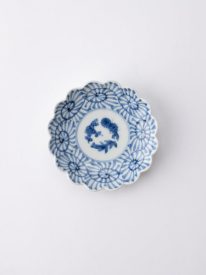
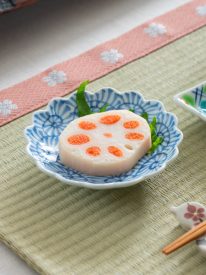
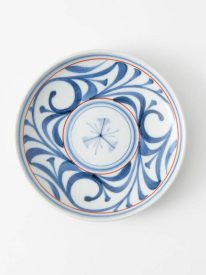
This easy-to-use chrysanthemum-shaped sauce plate showcases a design called an octopus arabesque pattern among arabesque patterns. The name “octopus arabesque” comes from the fact that the shape of the spiraling vine with leaves on the outside resembles the octopus’s legs. It is one of the classic patterns and is found on many Japanese tableware. The plates…
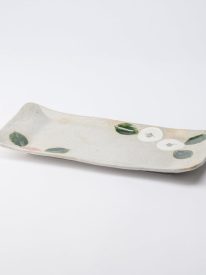
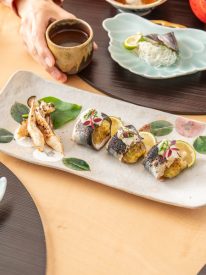
This long plate exudes a rustic elegance with its soft grayish color, featuring delicate stylized camellia flowers in white and red, accented by dark green leaves. Its irregular edges add a subtle, hand-made quality to its rectangular form.The camellia or tsubaki is beloved for its undeniable beauty as it blooms during the cold winter months. Having…
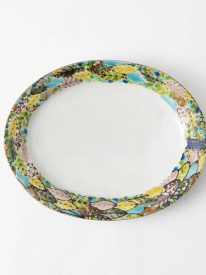
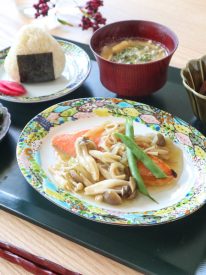
This beautiful Japanese oval plate from the Hamorebi seriesmeaning “sunlight filtering through leaves”is hand-painted by female artisan Sakurai Chie. Each piece is meticulously brushed using traditional Japanese color paints, a distinctive feature of Kutani ware. The painted areas are slightly raised, adding texture and depth to the design. The elegant oval shape offers a distinctive…
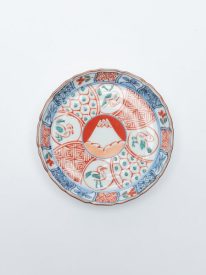
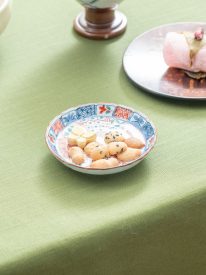
This sauce plate features various auspicious motifs, alongside an iconic depiction of Mount Fuji. This elegant design merges Japanese cultural heritage with refined artistry, offering a unique blend of tradition and contemporary flair. This plate features an 8 cm (3.1 in) flat center framed by a sharply contoured 1 cm (0.4 in) rim. The plate’s…
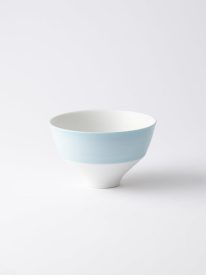
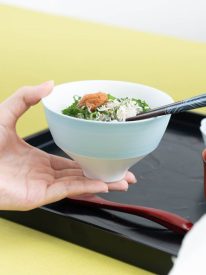
This rice bowl is slender and modernly designed and goes with, not only rice, but other menus on the table. The bowl is deep so you may want to put in a single-serving of salad, or cut fruit or even some dry snacks. The small footing at the bottom gives this bowl a tall look…
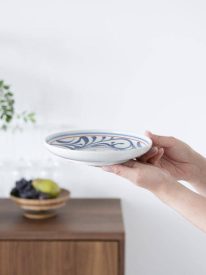
This side plate features a hand-painted arabesque pattern, a signature motif of Tobe ware. The swirling indigo lines are accented with fine red details along the inner rim, adding a subtle vibrancy to the traditional motif. Perfect for small cuts of grilled dishes, sides, or desserts, this plate combines practicality with aesthetic appeal. The subtly raised…
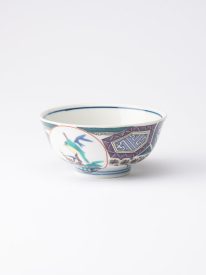
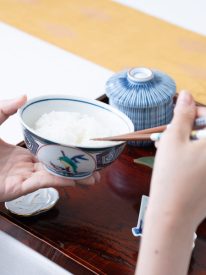
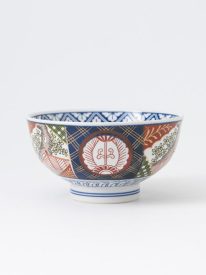
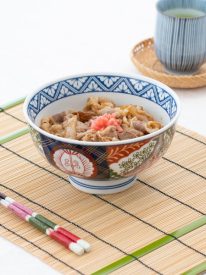
This Japanese rice bowl has a typical design of the Ko-Kutani (old Kutani) style dating back to mid-17th century, depicting the nature-themed motif and traditional patterns and distinctive bright colors of Kutani ware. It is painted with the five colors of red, yellow, green, purple and dark blue, known as “Go-Sai” in Japanese. Kutani ware uses…
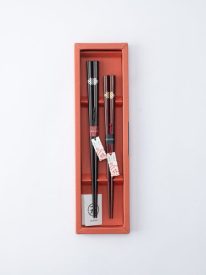
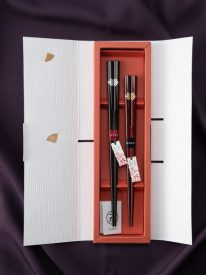
This set of chopsticks will add sophistication to your dining table, with their enigmatic dark wood and auspicious motif called takara musubi. The ebony chopsticks feature the motif in silver for a cool and stark contrast, while the other pair has a softer appeal with a combination of warm rosewood and gold motif. Takara musubi…
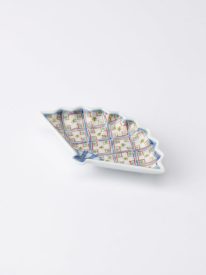
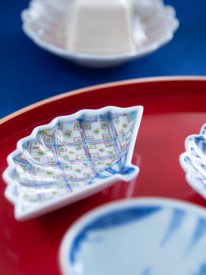
This unique fan-shaped sauce plate features a classic, colorful geometric pattern. Sarasa refers to fabric products made of cotton dyed with multi-colored patterns, which originated in India. This plate is available in different designs, so you can collect them for a more enjoyable table setting. Perfectly sized as a sauce plate, it is also versatile to…
This regular-sized Japanese donburi rice bowl features sakura, or cherry blossoms, framed by dark blue, lattice-like patterns, all rendered in the traditional nishiki-e style. Nishiki-e, meaning “brocade picture,” is a multi-colored woodblock print technique that revolutionized ukiyo-e during the Edo period (1603-1868 CE), when most prints were in black and white. The bowl is perfect…

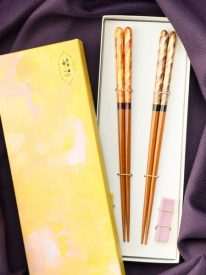 Matsukan Crystal Hidamari Wakasa Lacquerware Chopsticks Set 22.5 cm (8.9 in) with Chopstick Rests (Set of Two)
 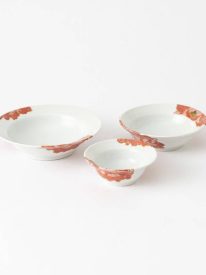 Red Peony Bowl Set B
 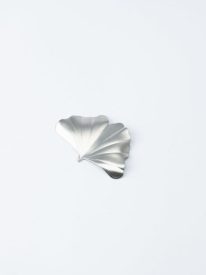 Tsubame Hutlery Silver Ginkgo Leaf Chopstick Rest
 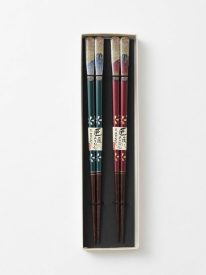 Mt.Fuji and Sakura Yamanaka Lacquerware Set of Two Pairs of Chopsticks 23 cm (9 in)