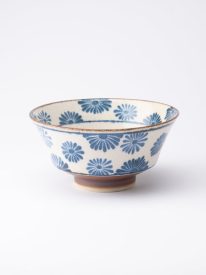
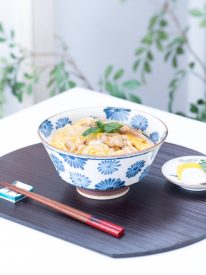
As suggested by its name nanpu, meaning “southern winds,” this bowl features a design that evokes the feeling of a warm breeze. Blue chrysanthemum flowers are scattered throughout the design, giving the design a natural comfort. The slightly warped rim allows for easy stacking with bowls of the same shape, making storage more convenient. This bowl is…
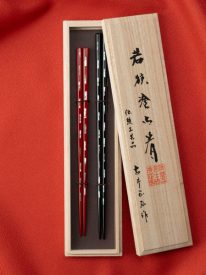
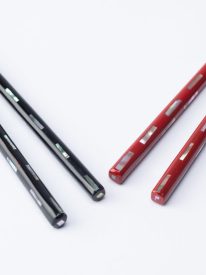
A distinct line of consecutive rectangular shell-inlays runs along the whole length of these chopsticks, creating an opalescent motif over the luxurious depth of red and black lacquer. When the pair is placed side by side, a checkered pattern is revealed, inspired by the auspicious ichimatsu pattern, which symbolizes unending continuity, development and prosperity. The name…
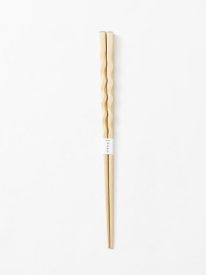
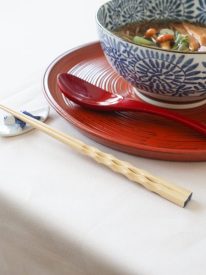
These chopsticks fit in your hand perfectly with their spiral shape. The design showcases the natural texture of bamboo, while the navy color on the top adds a subtle accent. Bamboo chopsticks are moderately light and very easy to hold. Their flexibility and thin tips make eating effortless and precise. Yamachiku, a manufacturer of bamboo…
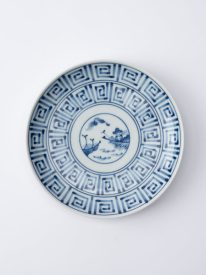
This round side plate is crafted by Takayama, a renowned maker of Hasami porcelain, and dyed with seitan, a kind of indigo. The bold geometric swirl patterns around the rim are complemented by a central design featuring ships and exotic landscapes, evoking the spirit of overseas trade and cultural exchange. In traditional Japanese culture, this…
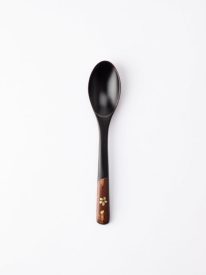
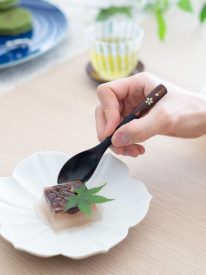
A chic lacquered dessert spoon by Yatsuyanagi. The handle is made of wild cherry bark work and painted with a golden cherry blossom motif. Although small, the combination of different traditional techniques gives it a sophisticated appearance.The 14cm(5.5in) size is suitable as a dessert spoon. Perfect for creating a traditional Japanese atmosphere at the table where Chawanmushi(Japanese steamed…
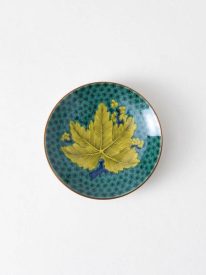
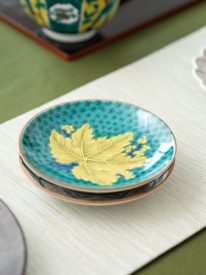
The Japanese sauce plate features a large yellow sycamore leaf in Ko-Kutani (old Kutani) style, dating back to mid-17th century, depicting the nature-themed daring design and distinctive bright colors of Kutani ware. Perfect size as a sauce plate. It is also versatile to serve cheese, nuts, condiments, and other small food. Furthermore, you may also…
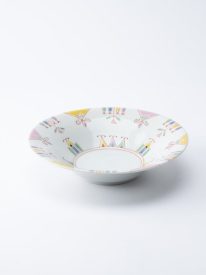
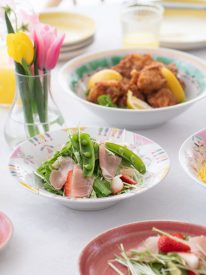
The bowl features a beautiful contrast of soft colors on a white canvas, making the most of the distinctive texture of porcelain. The fine touch of flowers are hand-painted by an artisan, adding a touch of elegance to the space. Unlike other kilns from Kutani ware, Ginshu kiln is especially known as its romantic and…
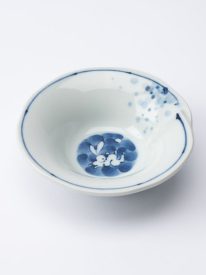
This is an indigo-dyed moon and rabbit kobachi small bowl crafted by Takayama, a renowned maker of Hasami porcelain. The inside of the bowl features a charming illustration of a rabbit playfully leaping beneath the moon, delicately painted in soft indigo tones. In Japanese culture, the rabbit is a symbol of fertility, longevity, and prosperity, making…
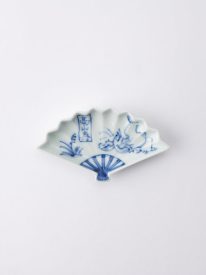
This unique fan-shaped sauce plate features anthropomorphic animals from the famous caricature scroll “Choju-Giga,” painted between the mid-12th and mid-13th centuries which is designated as a national treasure. Next to the anmials, Kozan-ji, the name of a World Heritage temple in Kyoto that owns this scroll is written in Japanese. The plates are available in different…
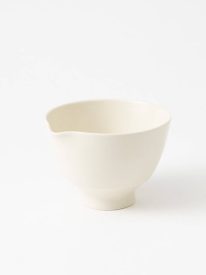
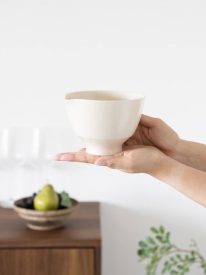
This Japanese bowl with spout from the “Une” series is made by Taniguchi Seidojo, which has been making Kutani ware clay for three generations. The carefully selected clay of Kutani ware, known as Hanasaka ceramic stone, is inevitably discarded during the clay making process. The silky, transparent, beautiful beige glaze was created to make the…
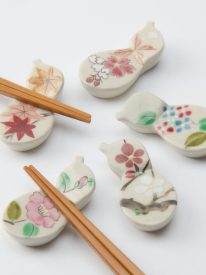
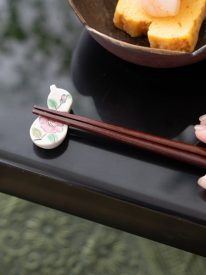
This is a unique gourd-shaped chopstick rest set by Hozan Kiln of Kyo ware. The gourd shape, which spreads out at the bottom, has been considered a good luck charm for warding off disasters and bringing in happiness since ancient times in Japan. Each chopstick rest features a painting of a different flower – plum…
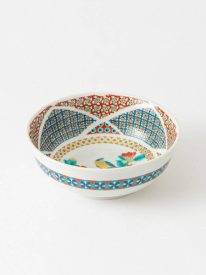
The Japanese bowl features a bird resting on a branch of camellia in bright colors. The delicate and intricate pattern drawn on the inside of the bowl gradually appears while eating, which is a pleasant surprise. A Japanese traditional pattern is also drawn on the outside, so it is a beautiful bowl from any angle….

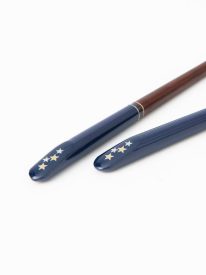 Kinza Star of Hope Chopsticks
 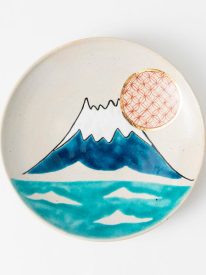 Fuji Komon Kutani Round Plate