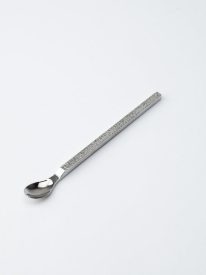
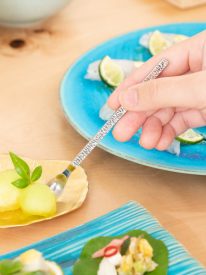
This is a coffee spoon from the “MODERN WABI SABI” series, characterized by a fusion of traditional and stylish ambiance. It is crafted in Tsubame-Sanjo, a region that accounts for 90% of domestic metal utensil production in Japan. This elegant and high-quality cutlery is designed by Yukari Nishida, a ceramic artist from Arita ware. The…
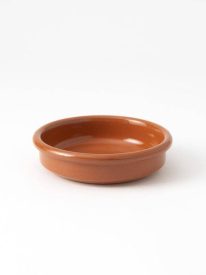
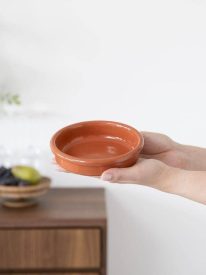
The warm reddish-brown color and rustic texture enhance the dining experience, seamlessly complementing any table setting. Versatile and durable, this deep side plate is perfect not only for traditional Japanese cuisine but also for a variety of dishes, including Spanish and Southern European specialties like ajillo and tapas. Additionally, its heat-resistant design allows for direct…
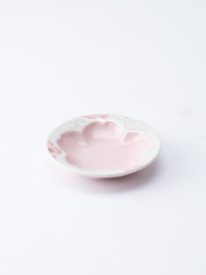
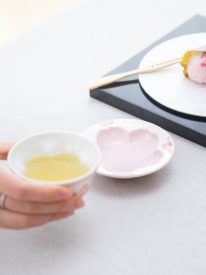
Make teatime at home a more fun occasion with this charming sakura (cherry blossom) pink small plate designed with a sakura pattern in the middle. The light pink sakura blossoms are highlighted on a shiny surface created by a coat of a lustrous glaze. At Tasei Kiln, two skilled female artisans with over 40 years of…
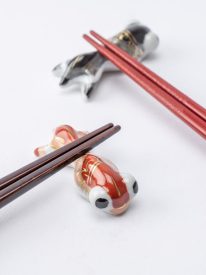
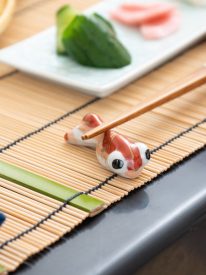
A set of chopstick rests shaped like a delightful pop-eyed goldfish will bring humor and character to your table setting. This unique offering is available in two colors, red and black, complete with golden lines outlining its scales and tail fins. Not only practical for holding chopsticks, they are also great little decorations all around…
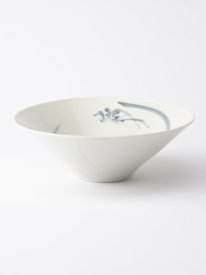
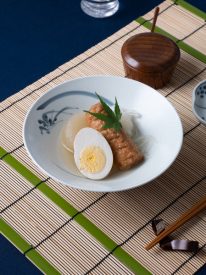
This is a serving bowl by Ri Sanpei (Yi Sam-pyeong) Kiln, a brand by the descendant of Yi Sam-Pyeong, the discoverer of white porcelain ore for Arita ware. The simple design with flowing orchids can be used for any menu. This is one of Ri Sanpei (Yi Sam-pyeong) Kiln’s most popular and classic products.Using the same Izumiyama…
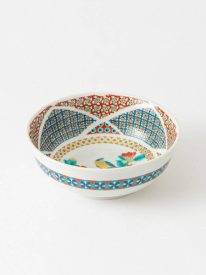
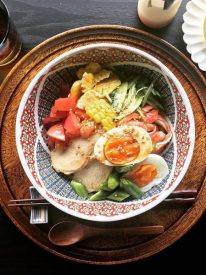
The Japanese bowl features a bird resting on a branch of camellia in bright colors. The delicate and intricate pattern drawn on the inside of the bowl gradually appears while eating, which is a pleasant surprise. A Japanese traditional pattern is also drawn on the outside, so it is a beautiful bowl from any angle….
These chopsticks are stunning, featuring a geometric pattern of neatly aligned triangles engraved on white bamboo and finished with a sleek lacquer coating. The intricate triangular design brings a contemporary flair to the traditional craftsmanship. Bamboo chopsticks are moderately light and very easy to hold. Their flexibility and thin tips make eating effortless and precise….
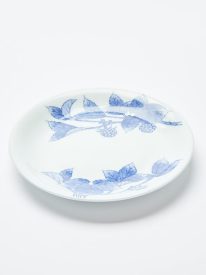
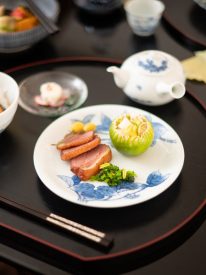
The harmony between white porcelain and blue paintings is the beauty of this Mikawachi ware plate. Two raspberry branches painted in flowing, fine lines are superbly composed, and the small round raspberry berries gracefully match the sharpness of the leaves and branches. The shades of blue display an exquisite gradation, painted carefully by skilled craftspeople using…
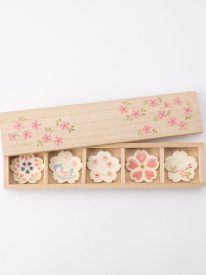
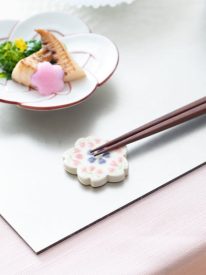
Decorate your table with these elegant chopstick rests from Tosen Kiln. The exquisite yellowish cream white color of the Kiyomizu ware base enhances the various hues which are masterfully used to depict the detailed designs of cherry blossoms. Each chopstick rest is crafted in the shape of a delicate sakura, cherry blossom. From dancing cherry blossoms…
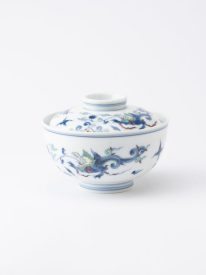
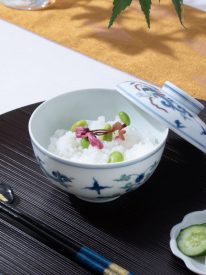
This kobachi small bowl with a lid is adorned with vibrant dragon and arabesque patterns, which stand out beautifully against white porcelain. Both dragons and arabesque motifs are considered auspicious and have been popular designs on tableware since ancient times. The bowl is perfectly sized for serving rice and is also ideal for simmered dishes. The…
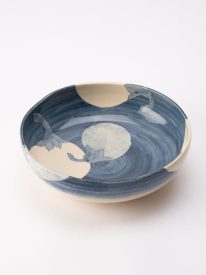
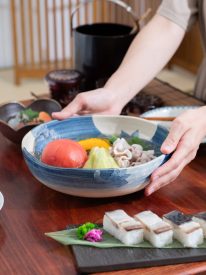
This bowl features round Kamo eggplants, a summer vegetable from Kyoto, in the serene blue and white of sometsuke. Kyoto vegetable designs are created by applying a water-resistant substance to outline the shapes. Then, gosu, a cobalt blue glaze, is hand-painted over the surface, leaving the protected areas untouched. After a second bisque-firing, delicate lines…
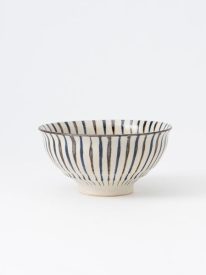
This small-sized donburi bowl features the traditional Japanese tokusa “horsetail” pattern with vertical stripes in dark blue and earthy brown. The rich, rusty hue of the brown, due to its high iron content, gives the bowl a warm, inviting finish. Beloved since the Edo period (1603-1868 CE), this pattern of straight vertical lines is inspired by…

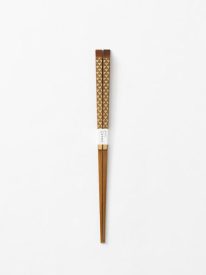
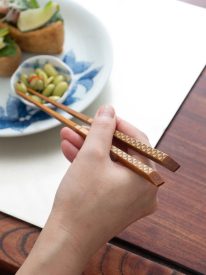

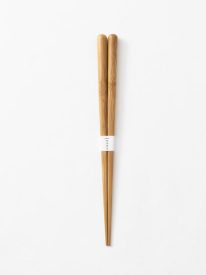 Yamachiku Ganko Bamboo Extra Large Chopsticks 24cm/9.4in
 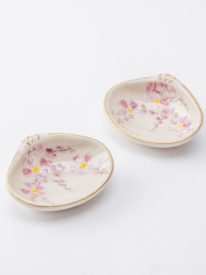 Hozan Kiln Shell-Shaped Weeping Cherry Kyo Ware Chopstick Rest Set
 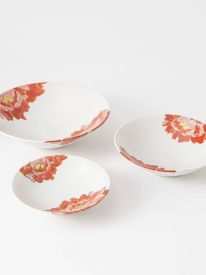 Red Peony Bowl Set A