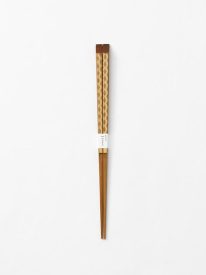
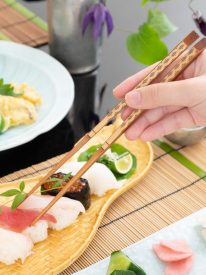
These beautiful chopsticks feature crystal patterns adorned on white bamboo, finished with a sleek lacquer coating. The laser-engraved designs add modern precision to the classic bamboo surface. Moderately light and very easy to hold, bamboo chopsticks offer flexibility and thin tips that make eating effortless. The warm touch and gentle feel of the lacquer further…
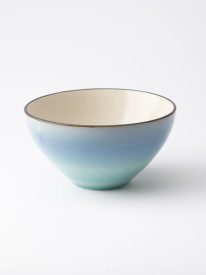
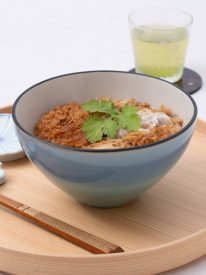
Elegant and modern, this medium bowl features a stunning gradient of blue hues. This donburi bowl showcases the distinctive crack-like texture of kannyu, a crazed surface formed by the differing expansion rates of clay and glaze. These delicate patterns add depth and character to the design. In addition to its striking appearance, the bowl is highly…
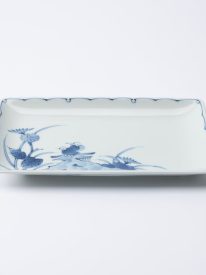
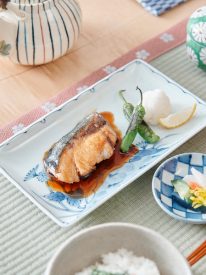
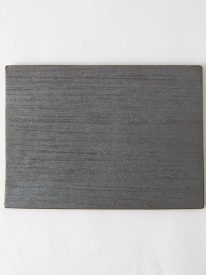
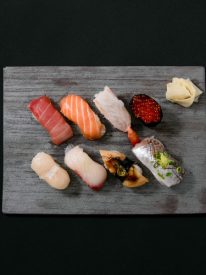
This long rectangular dinner plate featuring a design of kacho-sokaflowers, birds, and plantsis crafted by Takayama, renowned for Hasami porcelain. It is delicately adorned with two small birds and various floral motifs, capturing the beauty of Japan’s natural world and reflecting a deep cultural appreciation for nature. The plate’s size is perfect for serving sushi,…
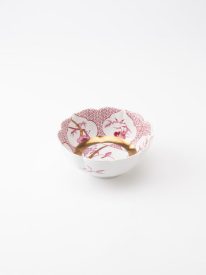
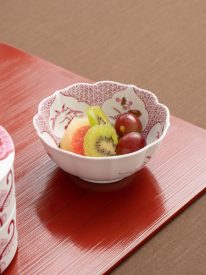
Hundreds of years of skill and technique are carefully crafted in this hand-size kobachi small bowl in wine red. The design is arranged with traditional auspicious patterns, making the tableware suitable for the modern dining scene. The sides of the bowl are shaped like the petals of a flower giving the bowl an elegant look….
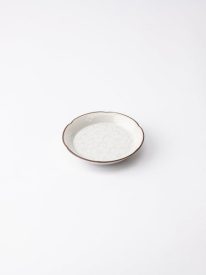
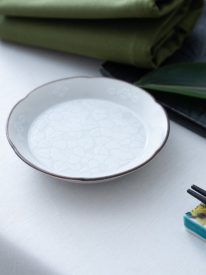
The porcelain is in the shape of a plum blossom. It has an elegant traditional pattern of camellias. The connotations of the camellia design are “eternal beauty” and “impeccable charm.” Camellia also has the meaning of warding off bad lucks. While Kutani ware is loved for its vibrant colors, the hachi-kutani series features sauce plates all…
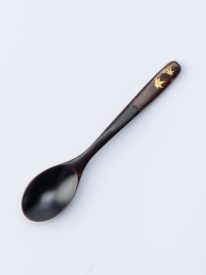
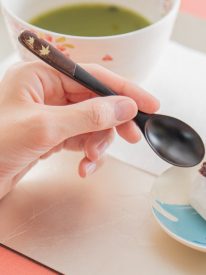
The beautiful black lacquer with red hues peeking through already makes this spoon a work of exceptional craftsmanship. The delicate natural pattern of kabazaiku, or cherry bark work graces the handle and is further decorated in an understated momiji (Japanese maple leaves) motif. The technique used for this spoon is known as tamenuri, which involves a…
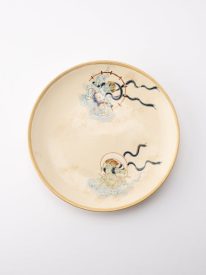
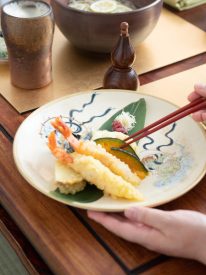
Featuring the distinctive “nami-yu” glaze, which is made from the ashes of the Kyoto forest, the plate has a natural base color in yellowish cream-white. Founded in 1868 as a Kiyomizu ware wholesaler in Kyoto, Tosen Kiln uses its own blend of soil and glaze, preserving the methods and quality of the works of Nonomura…
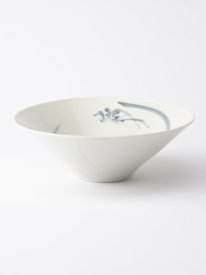
This is a serving bowl by Ri Sanpei (Yi Sam-pyeong) Kiln, a brand by the descendant of Yi Sam-Pyeong, the discoverer of white porcelain ore for Arita ware. The simple design with flowing orchids can be used for any menu. This is one of Ri Sanpei (Yi Sam-pyeong) Kiln’s most popular and classic products.Using the same Izumiyama…
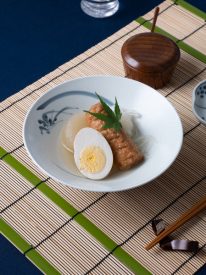
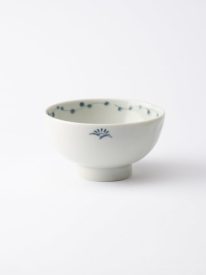
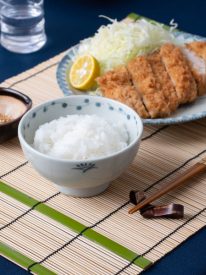
This is a Japanese rice bowl by Ri Sanpei (Yi Sam-pyeong) Kiln, a brand by the descendant of Yi Sam-Pyeong, the discoverer of white porcelain ore for Arita ware. Molded on the potter’s wheel, with handwritten flower and arabesque patterns, have an indescribably lovely atmosphere that soothes the hearts of those who see them.Using the same…
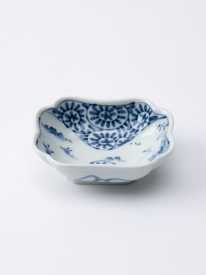
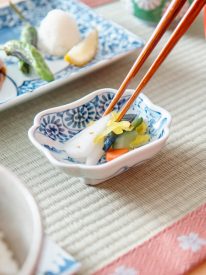
This indigo-dyed, rectangular kobachi small bowl is crafted by Takayama, a renowned maker of Hasami porcelain. The interior of the plate is delicately decorated with a serene landscape scene, beautifully framed by the traditional octopus arabesquetako karakusapattern. This design, featuring endlessly winding vines, has long been cherished in Japan as an auspicious motif symbolizing longevity and…
This modern shiny black plate features a brush mark on the surface which gives a traditional and arty impression. As well as its excellent design, it is durable and easy to use which makes it is widely used in restaurants in Japan and overseas. Perfect for serving appetizers, main dishes, and side dishes. It’s also…
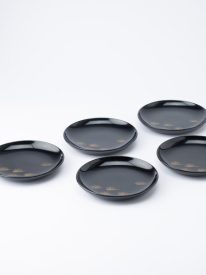
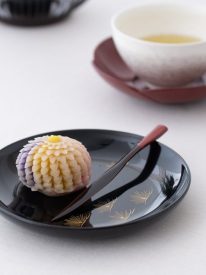
These Echizen Lacquerware side plates are exquisite items combining the elegant black shine of lacquer with the detailed gold designs made with “Chinkin.” “Chinkin” is a traditional technique used to create detailed designs with gold and silver on lacquerware surfaces. Unlike Maki-e, where gold leaves and powder are directly applied to a surface, for Chinkin, shallow…

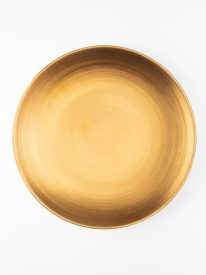 Japan Autumn Gold Dinner Plate 11.7 in