View cart “Matsukan Crystal Hidamari Wakasa Lacquerware Chopsticks Set 22.5 cm (8.9 in) with Chopstick Rests (Set of Two)” has been added to your cart.
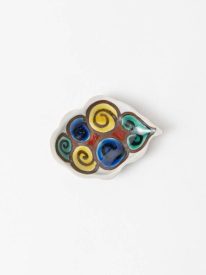
This unique sauce plate features iridescent clouds with a glossy glaze. The vibrant colors make it a eye-catching piece on the table. Perfectly sized as a sauce plate, it is also versatile enough to serve cheese, nuts, condiments, and other small bites. You can also use it to hold a small portion of food or…
These are children’s chopsticks made of natural wood and lacquer, featuring gold maki-e, a traditional technique. The upper part of the chopsticks is cut diagonally and decorated with a cute cat and footprint pattern. They are suitable for children in the upper grades of elementary school. The tips of the chopsticks are square to make them…
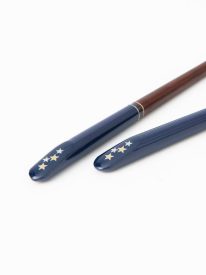
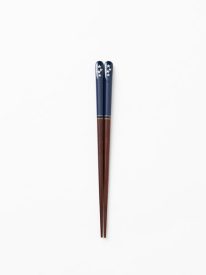
These are children’s chopsticks made of natural wood and lacquer, embellished with maki-e, a traditional lacquerware technique. The top ends are cut diagonally with a charming star pattern. Perfect for children from around five to nine years old, these chopsticks feature square tips for easy handling. The joy children experience using them makes this pair…
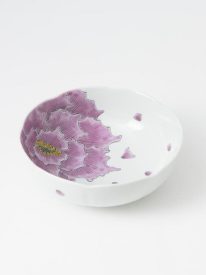
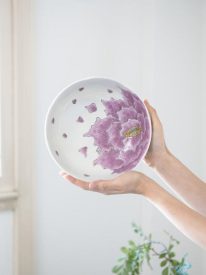
The large bowl features a beautiful pink peony, hand-painted by artist Fukuda Yoshinori. A large peony is designed to fit the round bowl, with scattered petals drawn around it and on the outside of the bowl. Rooted in the rich tradition of Kutani ware, Fukuda Yoshinori brings his mastery of akae, Yoshidaya, and ko-kutani styles…
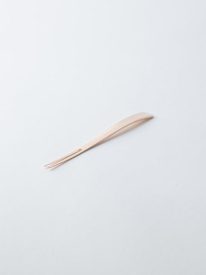
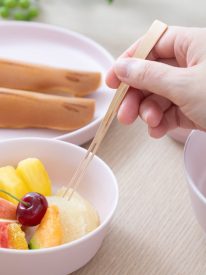
Introducing the fruit fork from the “URBAN” series, which harmonizes effortlessly with any type of dishware. It is produced in Tsubame-Sanjo, a region that accounts for 90% of metal utensil production in Japan. The entire fork is designed with a supple curve that resembles the flow of water. This curvature seems to comfortably adapt to your…
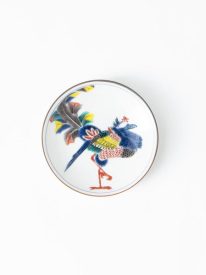
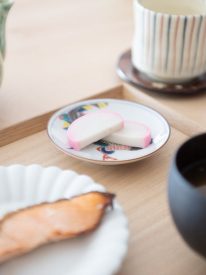
This sauce plate features a phoenix, a symbol of immortality, love, and happiness, in ko-Kutani (old Kutani) style, which is known as depicting nature-themed designs and distinctive bright colors of Kutani ware. The phoenix beautifully showcases the traditional five Kutani colors, gosaired, yellow, green, purple, and dark blue. Perfect as a sauce plate, it is…
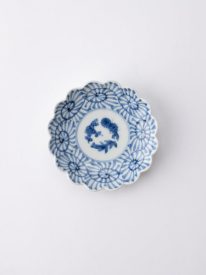
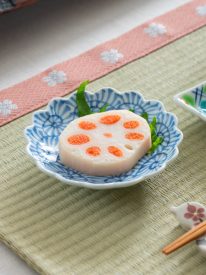
This easy-to-use chrysanthemum-shaped sauce plate showcases a design called an octopus arabesque pattern among arabesque patterns. The name “octopus arabesque” comes from the fact that the shape of the spiraling vine with leaves on the outside resembles the octopus’s legs. It is one of the classic patterns and is found on many Japanese tableware. The plates…
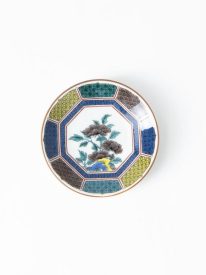
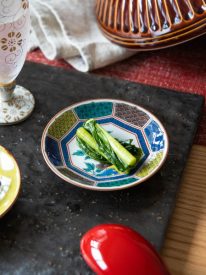
This sauce plates feature red peonies and traditional patterns around them, painted in four of the five colors of the ko-Kutani style: green, yellow, purple, and dark blue. This versatile plate is perfect for various occasions, from everyday meals to tea time. It’s ideal for serving small foods such as cheese, nuts, and condiments. For…
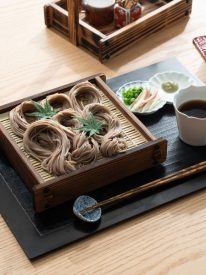
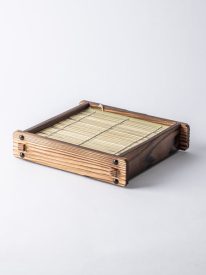
This is a traditional wooden tray with a removable bamboo strainer used for serving cold soba (buckwheat noodles). Made in a classic design, this soba tray is the perfect way to enjoy a restaurant experience in the comfort of your own home. The removable bamboo strainer makes it simple to serve cold soba during hot summer…
This set of two beautiful pairs of chopsticks is decorated with dainty sakura “cherry blossoms” patterns. Made from natural wood and fully coated with layers of lacquer, they have a beautiful, rich luster. When arranged on a table, the chopsticks form a simple lattice pattern with delicate sakura designs. These small, yet beautiful details add…
These chopsticks from Matsukan’s Sound of the Sea series are fully coated in lacquer, showcasing the raden technique, where shimmering mother-of-pearl is embedded into the surface. The accompanying chopstick rests are crafted using a seashell-shaped mold originally used to make rakugan, a traditional Japanese confectionery. After an initial ten layers of natural lacquer, shell inlays…
This kobachi small bowl is a beautifully decorated item reflecting the high-quality craftsmanship handed down for generations within Arita Porcelain Lab’s long history. The technique displayed in this bowl is called somenishiki where the bowl is first glazed with white and blue patterns and then is further decorated with detailed hand painted drawings. The character in a…

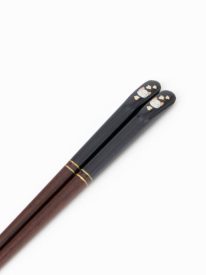
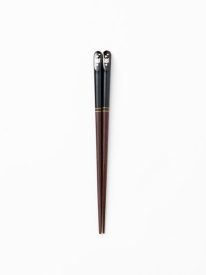
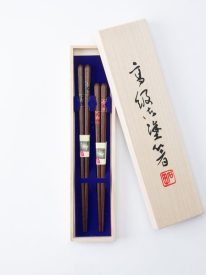
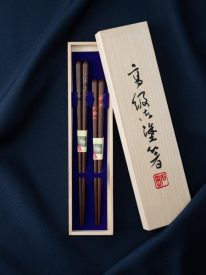
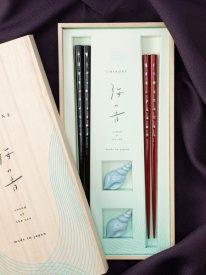
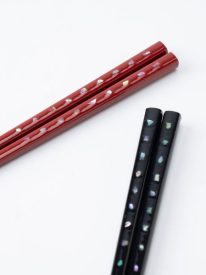
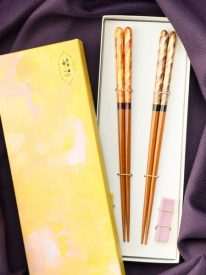 Matsukan Crystal Hidamari Wakasa Lacquerware Chopsticks Set 22.5 cm (8.9 in) with Chopstick Rests (Set of Two)