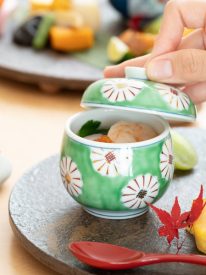
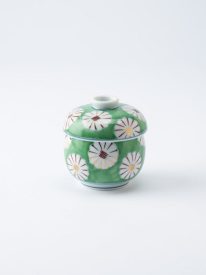
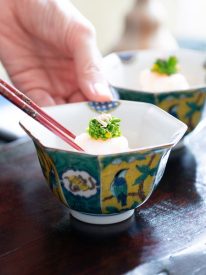
Enjoy delicious chawanmushi, Japanese steamed egg custard, in this beautiful Arita ware chawanmushi bowl. A scattering of golden chrysanthemums is carefully painted first, preserving their delicate beauty. A bright green sweeps in to fill the remaining space as the varied shades showcase exquisite hand-painted artistry. Versatile in size and shape, this piece can also hold…
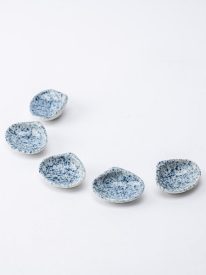
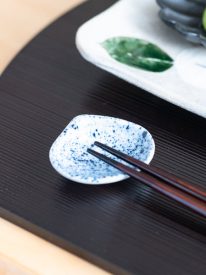
Adding ceramic chopstick rests shaped like shells to your table is a great way to bring a refreshing feel. These accessories have an authentic texture which makes them seem like they were taken straight from nature. This particular type of pattern is created through the method known as “Fukizumi” (spraying ink). It involves using water-soluble…
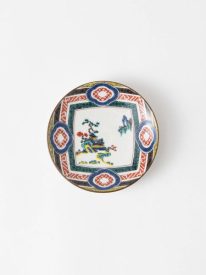
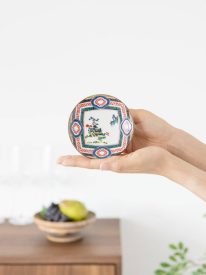
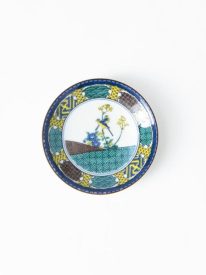
This sauce plate features a landscape with quince flowers in ko-Kutani (old Kutani) style, which is known as depicting the nature-themed daring design and distinctive bright colors of Kutani ware. Perfectly sized as a sauce plate, it is also versatile for serving small foods such as cheese, nuts, and condiments. For a more stylish and sophisticated…
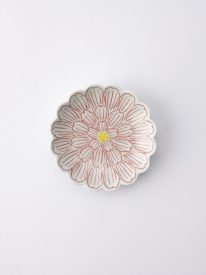
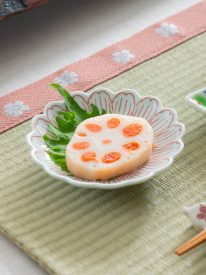
This easy-to-use chrysanthemum-shaped sauce plate features a boldly painted peony in red. The chrysanthemum shape creates a gorgeous atmosphere. This plate is available in different patterns, so you can have them all together for a more enjoyable table setting. Perfect size as a sauce plate. It is also versatile to serve cheese, nuts, condiments, and…
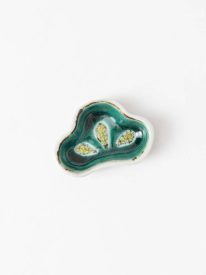
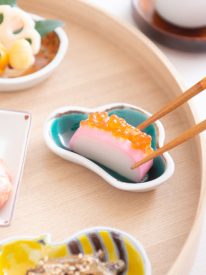
This pine-shaped Japanese plate is perfect for celebrating special occasions as well as everyday use. The pine tree is an evergreen tree and is a symbol of “eternal life.” In addition, some pine trees are thousands of years old and are said to be auspicious because they are associated with immortality and longevity. Perfectly sized…
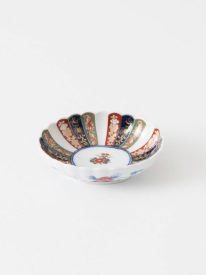
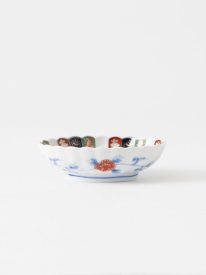
This gorgeous kobachi small bowl features a modern interpretation of classic old Imari patterns. Its vivid colors, paired with gold and white, lend a sophisticated flairideal both for everyday use and as a special gift for anyone who appreciates Japanese arts and crafts. Sized for side dishes like sunomono (vinegared items), aemono (seasoned dishes), or…
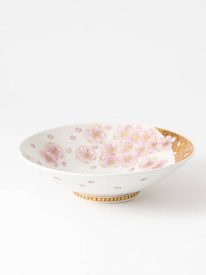
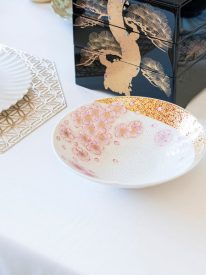
This beautiful plate is decorated with a cherry blossom pattern, handcrafted by an artisan of Kutani ware, Mr. Yoshinori Fukuda, who specializes in golden decoration known as “Kinrande”(literally “gold brocade”). It is a perfect size for serving side dishes such as Sunomono(vinegared food), Aemono(seasoned and sauced food), and Nimono(simmered food, or snacks like nuts and…
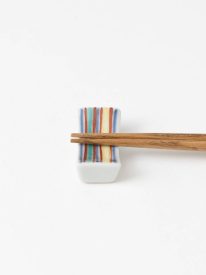
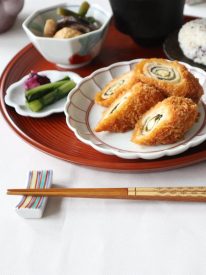
Brighten up your table with a pop of color with this charming chopstick rest. Adorned with vibrant stripes in a medley of warm and cool hues, this piece adds a fun yet tasteful touch to any setting. Its versatile design effortlessly complements both traditional and contemporary styles, making it a go-to for daily dining and…
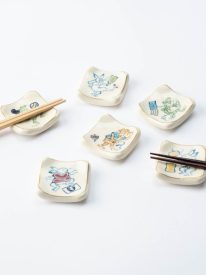
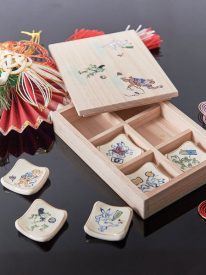
The lively scenes from the renowned Chojugiga Scroll come to life on these chopstick rests from Tosen Kiln, infused with the joy and traditions of the Japanese New Year. Witness rabbits busily pounding mochi rice cakes, frogs playfully flying kites, a fox engaged in a spirited game of hanetsuki, and a monkey gleefully playing with a…
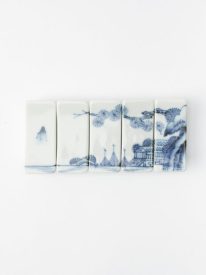
This set of five chopstick rests comes together to form a single, cohesive design. When arranged in order, they reveal rokaku sansui motifa signature Kutani Choemon design depicting a palace and landscape. Traditional craftsmanship is paired with a playful touch, adding a bit of charm and sparking conversation at the table. Perfect for daily use,…
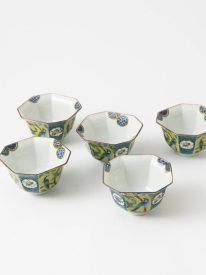
A set of 5 small Japanese kobachi bowls depicting peaches and birds in Yoshidaya style. It is a perfect size for serving side dishes such as Sunomono(vinegared food) or Nimono(Simmered food). Each piece is uniquely hand-painted by a dedicated artisan of Kutani ware, making the texture of the plate warm and appealing. It comes in…
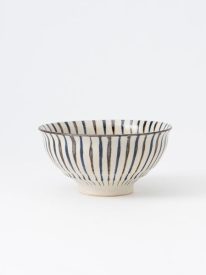
This small-sized donburi bowl features the traditional Japanese tokusa “horsetail” pattern with vertical stripes in dark blue and earthy brown. The rich, rusty hue of the brown, due to its high iron content, gives the bowl a warm, inviting finish. Beloved since the Edo period (1603-1868 CE), this pattern of straight vertical lines is inspired by…


 Blue Peony Bowl Set B
 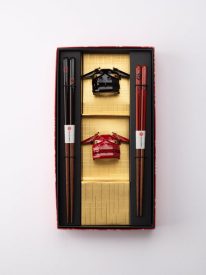 Shishimai Chopsticks Pair Set with Chopstick Rests
 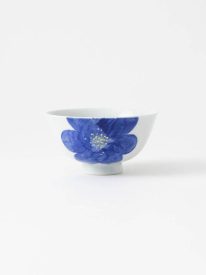 P.S. Blue Japanese Rice Bowl
 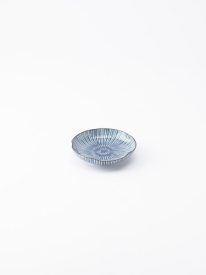 Fukuhou Kiln Tokusa Hasami Sauce Plate
 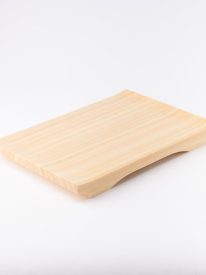 Miyabi Urushi HinokiCypress Kiso Woodwork Sushi Plate
  Twin Birds Sauce Plate