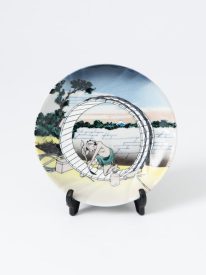
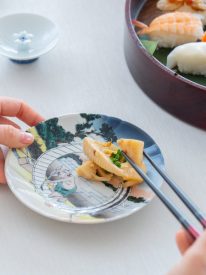
The plate depicts Hokusai’s famous Ukiyoe work, “Bishu Fujimigahara”. A craftsman is working hard on a large vat with the background of distant Mount Fuji. With the combination of Kutani ware with the masterpiece of the genius artist Hokusai Katsushika, the plate has truly an eye-stopping charm for anyone. The size is great for serving…
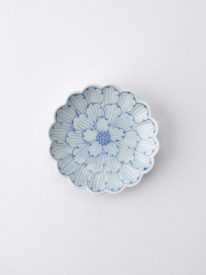
This easy-to-use chrysanthemum-shaped sauce plate showcases a boldly painted peony in blue. The chrysanthemum shape creates a gorgeous atmosphere. This plate is available in different designs, so you collect them for a more enjoyable table setting. Perfectly sized as a sauce plate, it is also versatile to serve cheese, nuts, condiments, and other small foods….
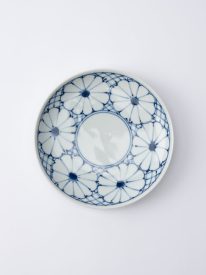
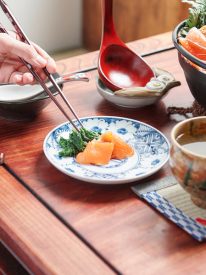
This round side plate is crafted by Takayama, a renowned maker of Hasami porcelain, and dyed with seitan, a kind of indigo. The plate is adorned with a delicate rinka petal pattern, featuring elegantly connected flower petals in a circular design. Traditionally, the rinka pattern has been cherished in Japan as a symbol of happiness…
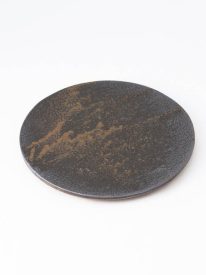
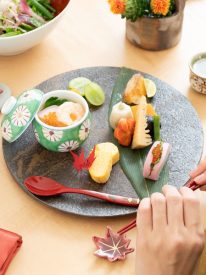
This Japanese round dinner plate has a beautiful matte and rough texture, and the chic colors mixed with gray and brown give a sense of wabi sabi beauty and create a high-quality dining table. This plate is ideal for serving main dishes and works perfectly for sashimi, sushi, tempura, or grilled wagyu. It is also…
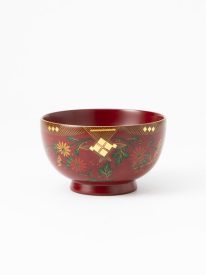
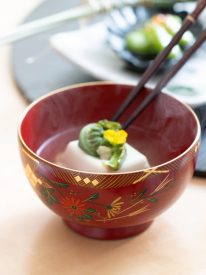
This soup bowl is hollowed out from Japanese horse chestnut, which is the best material for wood bowls. It has a slightly matte texture in calm vermilion color.The lacquering process, from the base coat to the top coat, has been inspected for designation as a traditional Aizu lacquerware craft.Aizu-e, the traditional design of Aizu lacquerware, is…
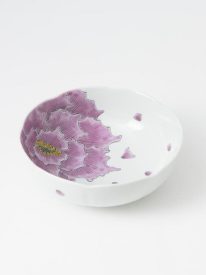
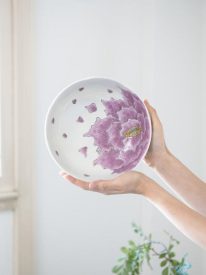
The large bowl features a beautiful pink peony, hand-painted by artist Fukuda Yoshinori. A large peony is designed to fit the round bowl, with scattered petals drawn around it and on the outside of the bowl. Rooted in the rich tradition of Kutani ware, Fukuda Yoshinori brings his mastery of akae, Yoshidaya, and ko-kutani styles…
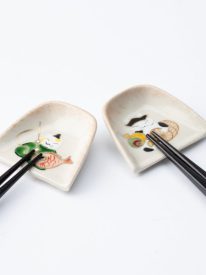
This set features chopstick rests in the shape of a traditional straw cape, portraying cats dressed as Ebisu and Daikokuten, two of the Seven Lucky Gods. Ebisu, the god of fishermen, is known as the deity of prosperous business. He is depicted holding a sea bream in his left hand and a fishing rod in his right,…
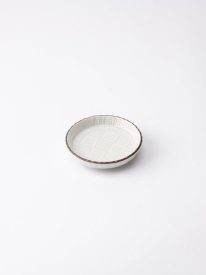
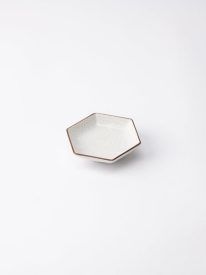
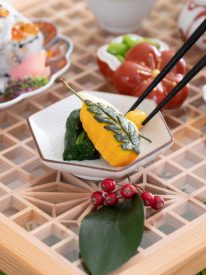
This cute flower-shaped white sauce plate has Ishidatami (cobblestone) designs which are believed to bring good luck in terms of eternity, development, expansion and prosperity because of its continuity pattern. This cobblestone pattern was also adopted as the emblem for the 2020 Tokyo Olympics. While Kutani ware is loved for its vibrant colors, the hachi-kutani series…
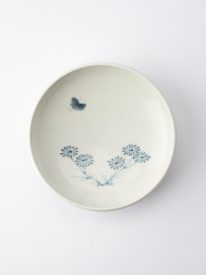
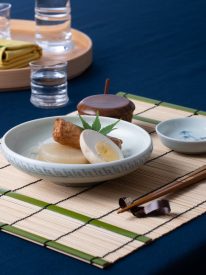
This is a serving bowl by Ri Sanpei (Yi Sam-pyeong) Kiln, a brand by the descendant of Yi Sam-Pyeong, the discoverer of white porcelain ore for Arita ware. It depicts a butterfly flying over a chrysanthemum flower, and the rim around it looks like a picture frame. The pattern is also drawn on the outside, making it…
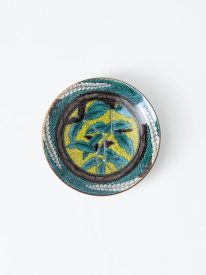
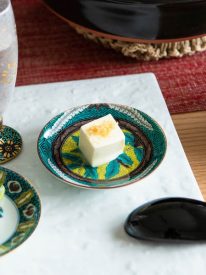
This sauce plate features wisteria in the ko-Kutani style, which is known as depicting the nature-themed daring design and distinctive bright colors of Kutani ware. Perfectly sized as a sauce plate, it is also versatile for serving small foods such as cheese, nuts, and condiments. For a more elegant and sophisticated presentation, you can place…
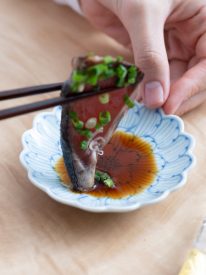
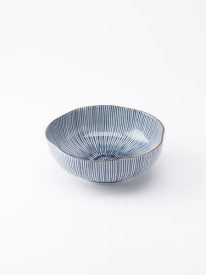
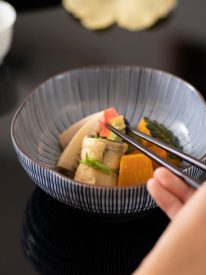
This bowl is designed with a “Tokusa” pattern drawn by hand with a broom-like brush to make the thin blue lines centering to the middle of the bowl. Originally made in the size to serve a single portion of sashimi or pickled vegetables in a traditional style meal at a tea ceremony, it can be…
This small porcelain plate has auspicious design patterns: “Nami Chidori,” plovers and waves, and “Karakusa,” an arabesque design. Nami Chidori, a combination of a plover and a wave, means “to overcome rough seas together.” Arabesque designs are considered a symbol of longevity and prosperity of offsprings, as arabesque, the vine, extends its stems in all directions….

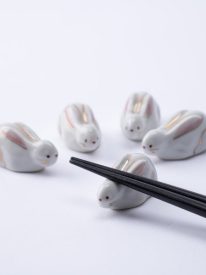 Hozan Kiln Sakura Rabbit Kyo Ware Chopstick Rest Set
 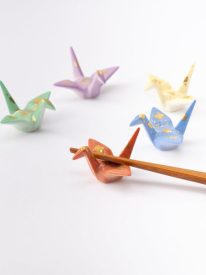 Origami Crane Kutani Chopstick Rest Set
 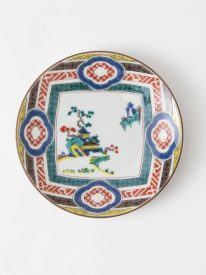 Landscape with Flowering Quince Side Plate