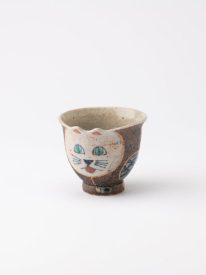
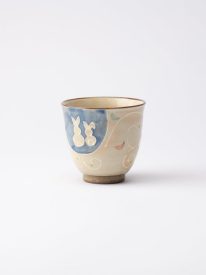
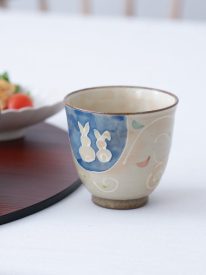
Put a smile on your face using this unique small Yunomi teacup from Kousai Kiln. This charmingly designed cup is handmade combining the Shigaraki style “Yakishime(high-fired unglazed ceramics)” and traditional “Some-nishiki,” a technique where a?product is first glazed with white and blue patterns and then is further decorated with detailed hand-painted drawings.Stoneware items are rarely…
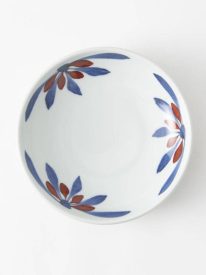
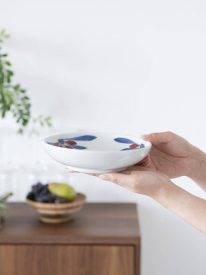
This beautiful medium bowl features an impressive pattern of chrysanthemum in indigo and red colors. You can feel the warmth of hand-painting from the patterns in nature motifs. The size is suitable for serving salad, appetizers and side dishes such edamame and sashimi. It is highly durable and ideal for long-term use.
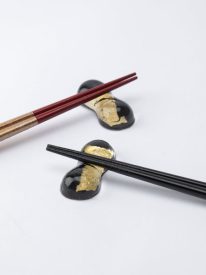
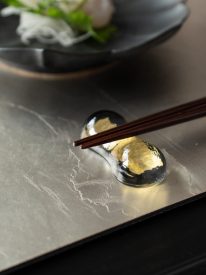
This is a set of two black glass chopstick rests by Hirota Glass. The design with gold leaf applied to the inside of the glass gives it a modern impression. The concave center makes it easy to place chopsticks. These chopstick rests, with their chic yet light atmosphere, are easy to use not only…
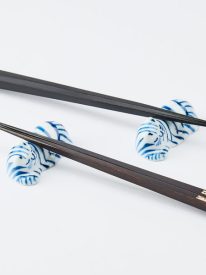
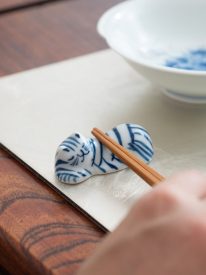
This charming chopstick rest embodies the elegance and whimsy of cats. Hand-painted blue lines depict the adorable sleeping faces of two cats, each slightly different from the other, creating a sense of serenity and humor. It is not just a functional piece, but a conversation starter at any dining setting. This rest boasts a stable weight ensuring…
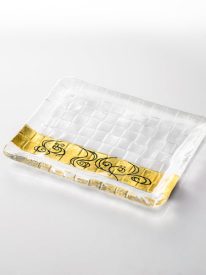
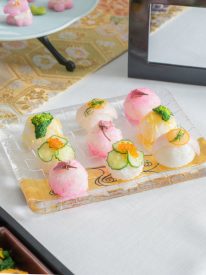
Meticulously handcrafted by adept artisans, the Yoshita Kasho Maki-e glass rectangular plate is a paragon of exquisite craftsmanship, effortlessly uniting the peerless quality of glass with a pioneering technique. This involves the integration of hand-painted Maki-e, employing natural lacquer, harmoniously combined with the esteemed Kanazawa gold leaf, presenting a piece where finesse and tradition resonate in…
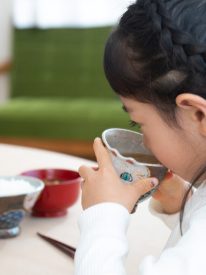
A beautifully handcrafted children’s cup with an authentic Japanese feel. The charm of this cup is in the hand-painted drawings. Two bunnies sitting side-by-side on an Indigo blue semi-circle with an Arabesque design are hand drawn on each piece. And differing shades of Indigo blue can be enjoyed with the watercolor painting style. The bunnies…
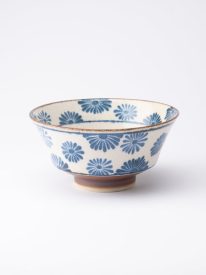
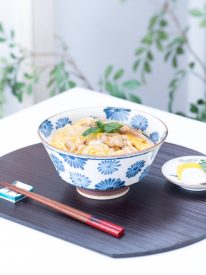
As suggested by its name nanpu, meaning “southern winds,” this bowl features a design that evokes the feeling of a warm breeze. Blue chrysanthemum flowers are scattered throughout the design, giving the design a natural comfort. The slightly warped rim allows for easy stacking with bowls of the same shape, making storage more convenient. This bowl is…
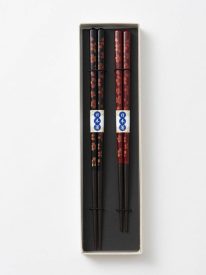
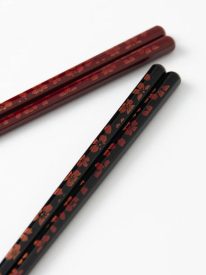
This set of Japanese chopsticks features sakura, cherry blossoms, with falling petals. Sakura symbolizes inner beauty and elegance in Japanese culture. These chopsticks have a glossy texture and are easy to hold. The non-slip tips of the chopsticks make it easier to eat slippery foods such as noodles. Its timeless design is suitable for daily…
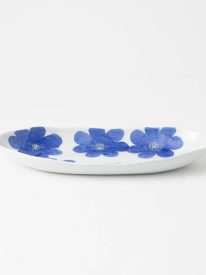
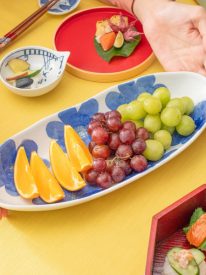
This beautiful oval bowl features soft blue flowers as if painted with watercolors. The bright design resembles blooming flowers, bringing joyful atmosphere on the table. It is painted by the female artist, Alyne Ohigashi, who was born in Philippines and uses a unique painting technique called washi-zome and continues her ideal stoneware-making in Higashi Kiln, one…
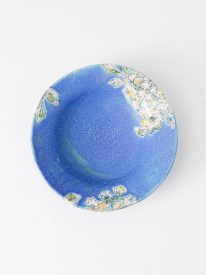
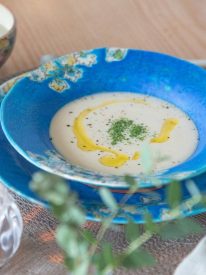
A rich turquoise glaze with a natural gradient flows across the surface, created by expressive, hand-painted brushstrokes. Delicate flowers in soft shades of yellow, blue, and white adorn its rim. The fine kannyu crackles enhance the textural richness. The generous size and slightly curved form make this plate ideal for main dishes, shared plates, or…
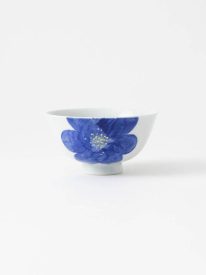
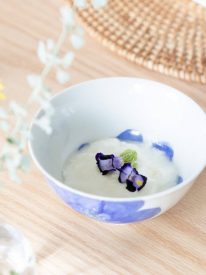
This beautiful rice bowl features soft blue flowers as if painted with watercolors. The bright design resembles blooming flowers, bringing joyful atmosphere on the table. It is painted by the female artist, Ohigashi Alyne, who was born in Philippines. She uses a unique technique called washi-zome (Japanese paper dyeing) and continues her ideal stoneware-making in Higashi…
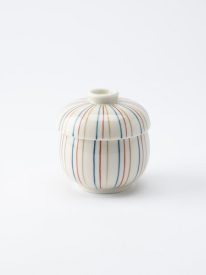
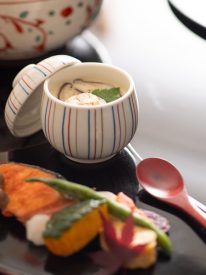
Enjoy delicious chawanmushi, Japanese steamed egg custard, in this beautiful Arita ware chawanmushi bowl. This Chawanmushi bowl is painted in the “Tokusa (Horsetail)” pattern which is a classic motif that has been beloved since the Edo period (1603 CE – 1867 CE). Its straight-growing appearance symbolizes wishes for growth and prosperity. And the three subdued colors…

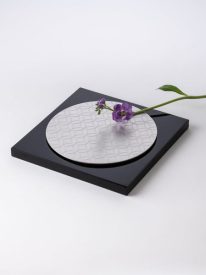 Shippo Pattern Aluminum and Lacquerware Side Plate