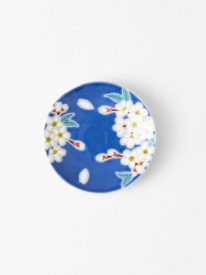
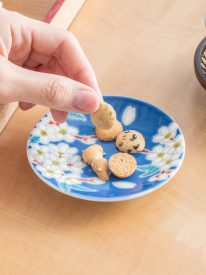
This is a Japanese small sauce plate featuring sakura (cherry blossoms). Cherry blossoms are the most popular flower among Japanese people. Nowadays it is a flower used for celebratory occasions such as passing exams, weddings, etc. Perfect size as a sauce plate. It is also versatile to serve cheese, nuts, condiments, and other small food….
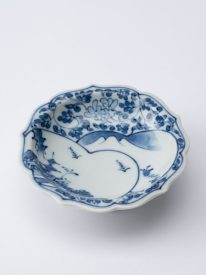
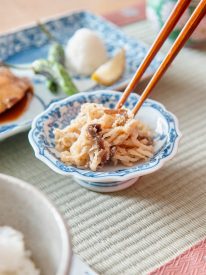
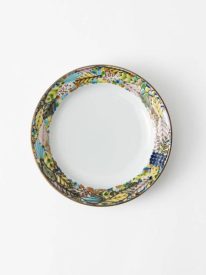
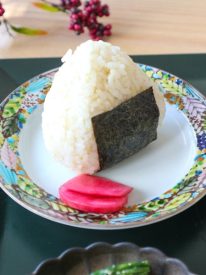
This sauce plate is crafted by Takayama, renowned for Hasami porcelain. Its surface features intricately detailed scenes of Japanese landscapesrolling mountains, winding rivers, boats, and templesneatly arranged within fan-shaped frames, all set against a background of abundant flowers. The result is reminiscent of a scroll painting, allowing you to appreciate its delicate and refined atmosphere. …
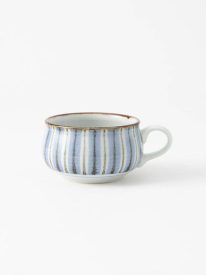
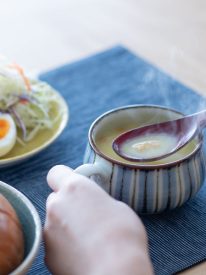
This soup bowl features delicate blue stripes and a warm brown rim, capturing the charm of hand-painted craftsmanship. The soft contrast of colors and subtle brushstroke variations add unique character to each piece, making every bowl one of a kind. With its gently rounded shape, this bowl creates a cozy, inviting feel. While designed for…
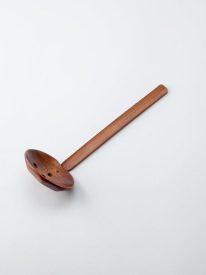
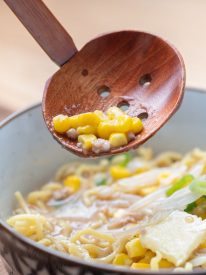
A heartfully crafted spoon of a turtle shell pattern. It is a large size, but being made of wood, it is light and easy to hold. The distinctive design makes you feel as if you are tasting it at a ramen restaurant. The handle and the spoon form a right angle, and the holes in the…
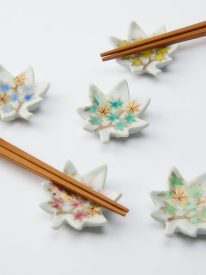
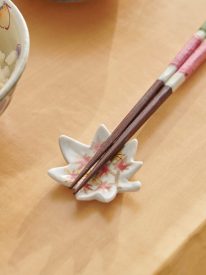
This is a set of chopstick rests, each shaped and painted to resemble a maple leaf, featuring five different colors of maple leaves. Some of the leaves are delicately highlighted with Kinsai gold paint, adding a touch of elegance. The variety of colors and the festive impression of the chopstick rests make them suitable for…
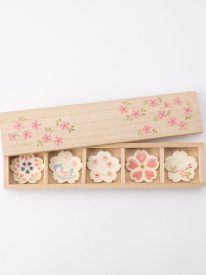
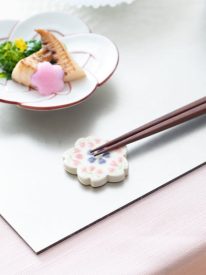
Decorate your table with these elegant chopstick rests from Tosen Kiln. The exquisite yellowish cream white color of the Kiyomizu ware base enhances the various hues which are masterfully used to depict the detailed designs of cherry blossoms. Each chopstick rest is crafted in the shape of a delicate sakura, cherry blossom. From dancing cherry blossoms…
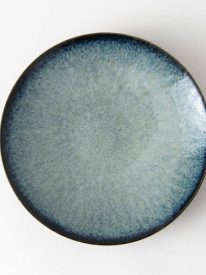
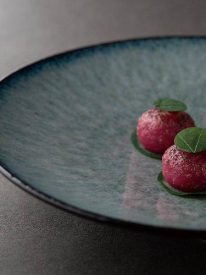
This modern dinner plate features a stunning icy blue gradient that enhances the presentation of any dish. Durable and user-friendly, it’s a popular choice in restaurants worldwide for its balance of functionality and design. Ideal for a range of dishes, from beautifully arranged main courses to shared appetizers, its generous size accommodates meals like grilled…
This nature-themed side plate is part of the Hamorebi series, meaning “sunlight filtering through leaves.” Each piece is beautifully hand-painted by female artisan Sakurai Chie. Using traditional Japanese coloring paintsa hallmark of Kutani warethe painted areas have a slightly raised texture, adding depth and character to the design. Perfect for serving small desserts, fruits, or…
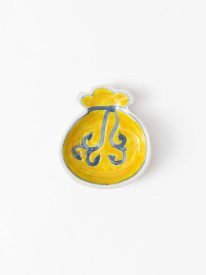
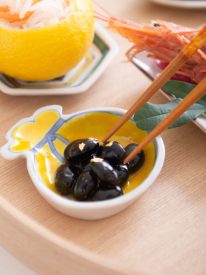
This small plate is shaped like a treasure bag, an auspicious motif symbolizing wealth and good fortune. Often depicted in art and crafts, it represents an endless source of riches and blessings. With its charming form and meaningful design, it adds a touch of tradition and elegance to your table. Perfectly sized as a sauce…
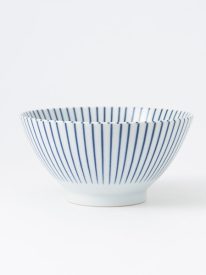
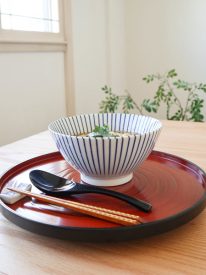
This large-sized Japanese donburi bowl features a traditional Japanese pattern called tokusa “horsetail” in blue on white porcelain. The simple yet memorable design makes it suitable for any table setting. The bowl is perfect for gyudon, oyakodon, and other donburi dishes. It can also be used to serve noodle dishes like udon or soba. With its…
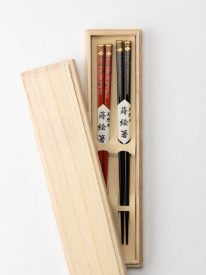
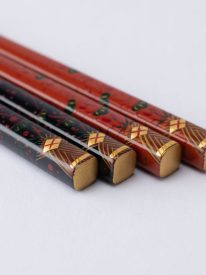
This two-pair set of chopsticks features a refined pine, bamboo, and plum motif. Coated with natural lacquer, the chopsticks have a smooth, slightly textured finish that fits comfortably in the hand. The intricate gold detailing adds a luxurious touch. Crafted through a meticulous process, this set showcases a soft glow and fine texture, with delicate…
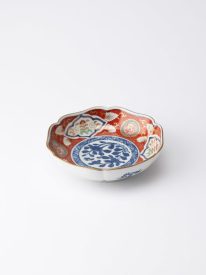
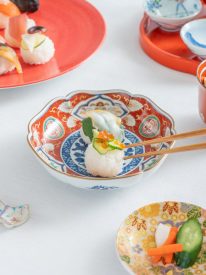
This mokko-shaped small bowl features a modern interpretation of the traditional classic patterns of old Imari. Mokko is the name for a round squarish shape and is considered an auspicious shape which represents family prosperity. “Aka” means red and “dami” is the name for the technique where the artist first outlines the area to be…

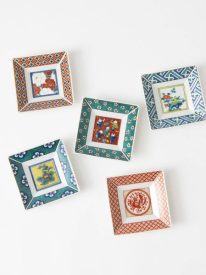 Jidai Kutani Square Sauce Plate Set
 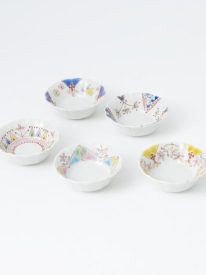 Colorful Kobachi Small Bowl Set
 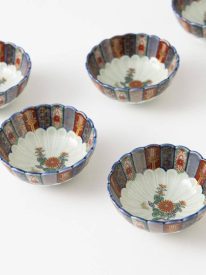 Old Imari Kozuke Kobachi Small Bowl Set