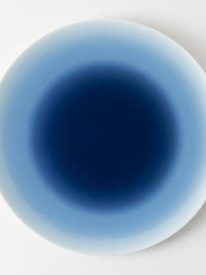
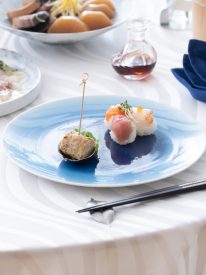
This dinner plate features a stunning blue gradient reminiscent of the tranquil shallows of the sea, bringing a serene and refreshing ambiance to your table setting. Designed for durability and practicality, it is a preferred choice in restaurants across Japan and internationally. Its generous size makes it ideal for serving main dishes, enhancing the presentation…
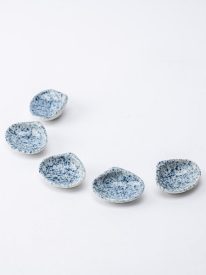
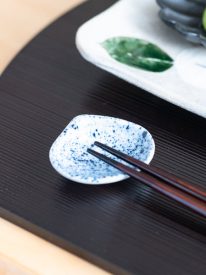
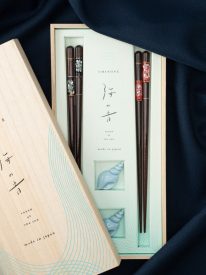
Adding ceramic chopstick rests shaped like shells to your table is a great way to bring a refreshing feel. These accessories have an authentic texture which makes them seem like they were taken straight from nature. This particular type of pattern is created through the method known as “Fukizumi” (spraying ink). It involves using water-soluble…
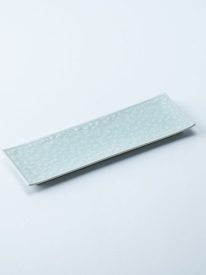
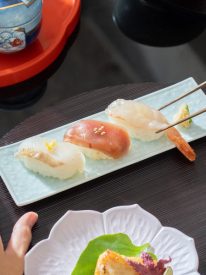
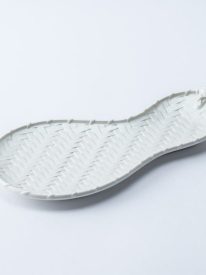
This exquisite side plate features an arabesque pattern. Perfect for presenting side dishes or small sweets, its celadon glaze showcases a gradient of light blue. The subtle textures and intricate patterns on the surface add a touch of sophistication, beautifully enhancing the presentation of the food. Encased in a navy blue paper box, this piece…
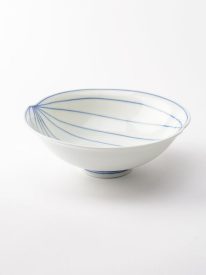
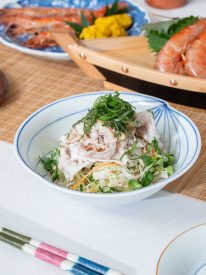
On this bowl, lines in sometsuke “Blue and White” style form smooth and elegant curves, representing leaf veins. These lines are hand-painted by artisans, with subtle variations in thickness and shade making each unique. When using this plate, you can feel a closeness to nature. Sometsuke is a technique that applies indigo color onto a base…
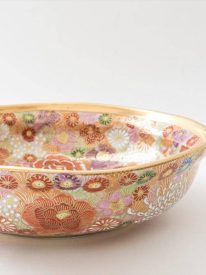
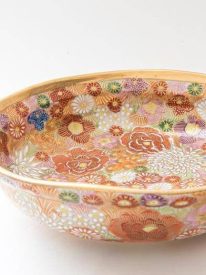
This elegant bowl features a delicate Hanazume style, meaning filled with flowers, one of the most notable design of Kutani ware which has been handed down the Taisho period (CE 1912-1926). Filled with colorful flowers all over the body with gold trimming, it has a timeless elegance and sophistication created by hand drawn technique; there…
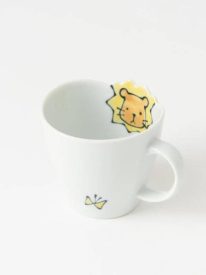
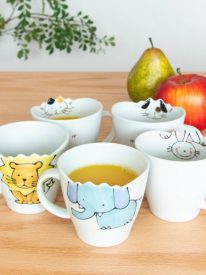
This unique mug has a lion’s face on the inside and the whole body and butterflies on the outside. The rim is designed to follow the lion’s mane. The bright yellow color, with shades of watercolor, retains the warmth of hand-painting. With its humorous design and easy to use size, it is recommended for adults…
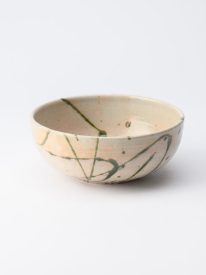
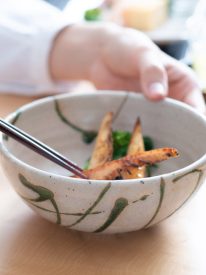
This bowl fascinates with its elegant water plant motif, the designs flowing naturally across the surface. The green glaze and abstract brushstrokes are characteristic of Yashichida Oribe ware. Tsujii Musashi, inspired by nature, infuses his creations with a subtle, rustic charm. The bowl’s refined beauty is further enhanced by gohondedelicate pinkish spots that appear naturally…
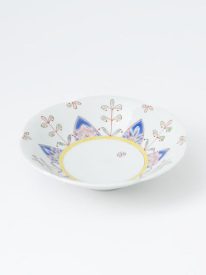
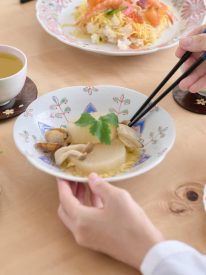
This bowl showcases dreamy patterns delicately painted by the artisans of Ginshu Kiln, renowned for its romantic and playful pastel-colored designs. The painted areas have a slightly raised texture, a characteristic of Kutani ware, which is traditionally hand-painted using Japanese coloring pigments and a brush. Its versatile size makes it perfect for serving salads, appetizers,…
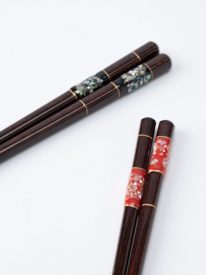
These chopsticks from Matsukan’s Sound of the Sea series are crafted using the raden technique, where intricate cuts of mother-of-pearl are embedded into the lacquer. Lightweight and easy to hold, their tips are finished with a non-slip surface. The chopstick rests are made with a seashell-shaped mold originally used for rakugan, a traditional Japanese confectionery. The…
This silver dinner plate is an exquisite piece of Arita ware. Its unique curved design and engraved patterns on the surface create an impressive table setting, elevating the presentation of any cuisine it holds. The gourd motif is considered as a lucky symbol in Japanese culture, representing prosperity and abundant offspring due to its plentiful…
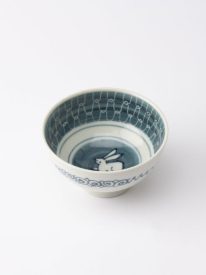
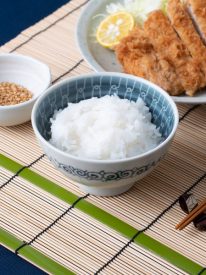
This is a Japanese rice bowl by Ri Sanpei (Yi Sam-pyeong) Kiln, a brand by the descendant of Yi Sam-Pyeong. Molded on the potter’s wheel, with handwritten rabbits and reticulated patterns, have an indescribably lovely atmosphere that soothes the hearts of those who see them. The rabbit in the center is drawn in a round…
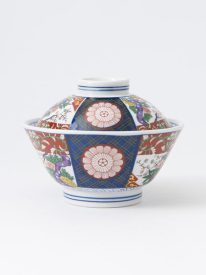
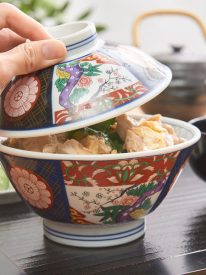
This small-sized Japanese donburi rice bowl features peonies, framed by dark blue, lattice-like patterns, all rendered in the traditional nishiki-e style. Nishiki-e, meaning “brocade picture,” is a multi-colored woodblock print technique that revolutionized ukiyo-e during the Edo period (1603-1868 CE), when most prints were in black and white. The lid helps keep the food warm and…

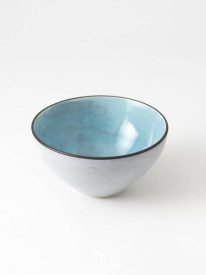 Raska Marin Modern Medium Bowl