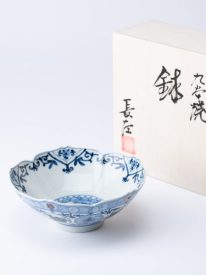
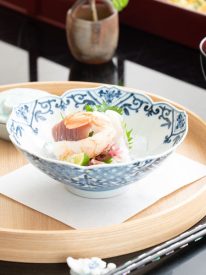
This bowl features exquisite sometsuke designs with colored details hand-painted by master craftsman Yamamoto Choza. The bottom of the bowl is adorned with a flower and bird motif, while the exterior is lavishly decorated with traditional auspicious patterns across its entirety. The intricacies of each design invite a closer look. The porcelain base is crafted…
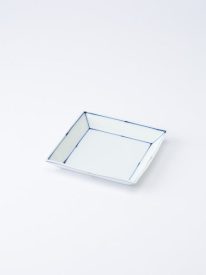
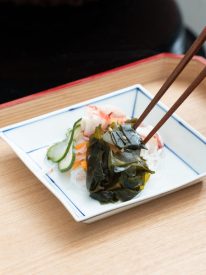
This square plate is perfectly suited for serving side dishes. The lines drawn along the rim accentuate the dish elegantly. Employing a technique of “Sometsuke” (underglaze cobalt blue) painting on a base brilliantly fired to a pure white, each piece is meticulously crafted, embodying the essence of Seto Sometsuke ware. Since the painting is done…
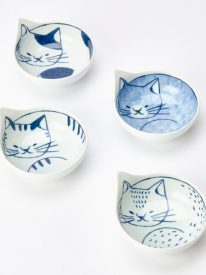
This charming set features four small Japanese bowls adorned with beautifully detailed, hand-drawn cat illustrations. Each bowl showcases a different cat with unique fur patterns, all in an endearing curled-up position. The raised ears of the cats bring personality to each feline friend and add a playful touch to the bowl’s design. The smooth porcelain…
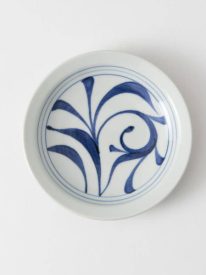
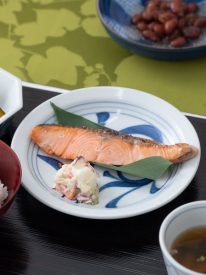
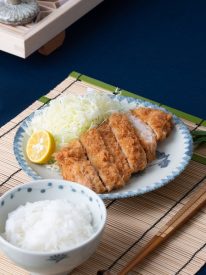
This round side plate features a bold hand-painted arabesque pattern, one of the representative motifs of Tobe ware. The shade of indigo gives a sense of modern taste. Perfect for small cuts of grilled dishes, sides, or desserts, this plate combines practicality with aesthetic appeal. The subtly raised rim prevents spills while framing each dish…
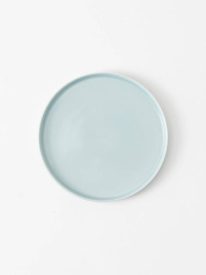
This Japanese plate has light shades of celadon glaze that looks like a white porcelain covered with thin ice. It is created by Taniguchi Seidojo, one of the companies which are dealing premium Kutani ware clay. It is 12 cm (4.7 in) diameter and perfect for serving cheese, nuts, desserts and fruits. You may use…
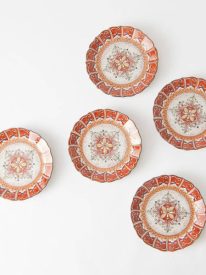
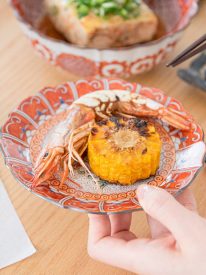
This Japanese plate set serves as a versatile option for individual dishes, adding elegance to any meal. Placing matching plates on the table creates a cohesive and refined Japanese dining experience. Characterized by intricate red designs, delicate rim patterns, and subtle gold accents, this style showcases exceptional craftsmanship. The detailed artwork in the Iidaya/Akae tradition…
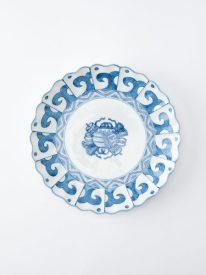
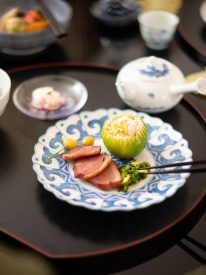
This side plate is a magnificent example of the artistry found in Mikawachi ware, featuring hand-painted designs in blue on fine, durable porcelain. The rim of the plate is adorned with the geometric patterns of shonzui-de waves, a style influenced by the porcelain patterns originally produced in Jingdezhen kilns during the late Ming Dynasty. At…
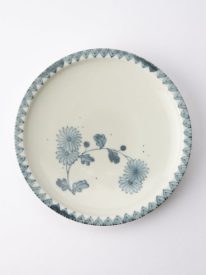
This is a Arita ware plate by Ri Sanpei (Yi Sam-pyeong) Kiln, a brand by the descendant of Yi Sam-Pyeong, the discoverer of white porcelain ore for Arita ware. This dish is simple, yet dignified and powerful. This design itself is from the early Imari period, about 400 years ago. Chrysanthemums are characterized not only by their beauty…
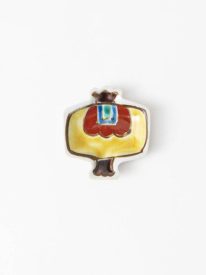
This sauce plate features the shape and painting of mallet of lucky, which is said to bring luck to whom shakes it. It is one of the treasures that appear in Japanese narratives and old stories. Perfectly sized as a sauce plate, it is also versatile enough to serve cheese, nuts, condiments, and other small bites….
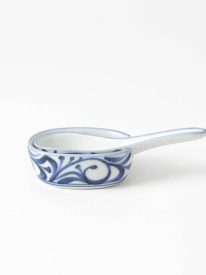
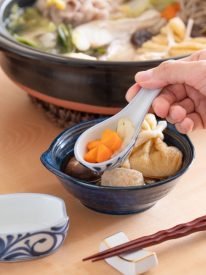
A set of spoon and spoon rest features a hand-painted arabesque pattern, one of the representative motifs of Tobe ware. The shade of indigo gives a sense of modern taste. You can feel the warmth of hand-painting from the patterns using nature motifs. It makes a perfect combination with noodle bowls from Tobe ware, which…
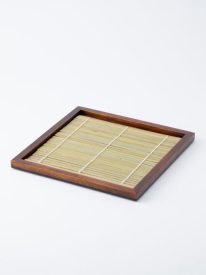
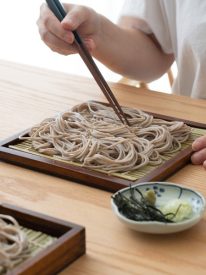
This square tray with a removable bamboo strainer is used for serving cold soba noodles. Made by Yamanaka lacquerware and coated with brown lacquer, it can recreate the ambiance of an authentic soba restaurant. The matte texture of the “Suri-Urushi” (wiped lacquer) finish enhances the beauty of the wood grain.The bamboo strainer is made using…
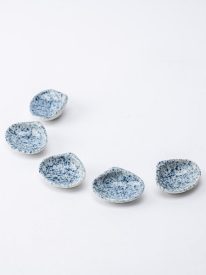
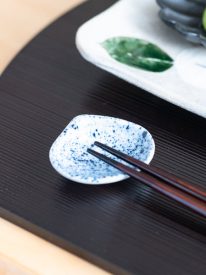
Adding ceramic chopstick rests shaped like shells to your table is a great way to bring a refreshing feel. These accessories have an authentic texture which makes them seem like they were taken straight from nature. This particular type of pattern is created through the method known as “Fukizumi” (spraying ink). It involves using water-soluble…


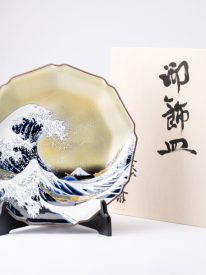 Hokusai Wave Decorative Plate 12.2 in
 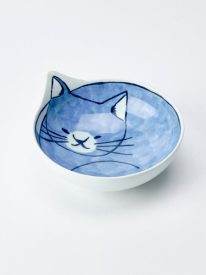 Neco Blue Cat Medium Bowl
 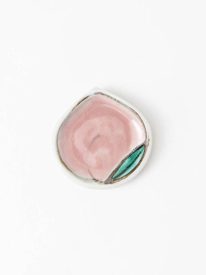 Peach Sauce Plate