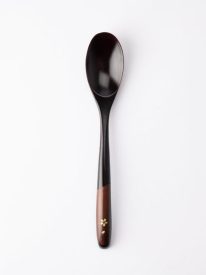
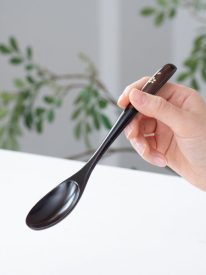
A chic lacquered spoon by Yatsuyanagi. The handle is made of wild cherry bark work and painted with a golden cherry blossom motif. Although small, the combination of different traditional techniques gives it a sophisticated appearance. The 21cm(7.9in) size is suitable as a dinner spoon for soups and soupy foods. The cherry trees used for Akita…
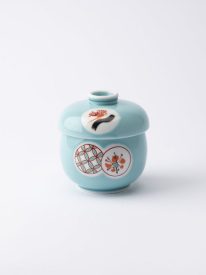
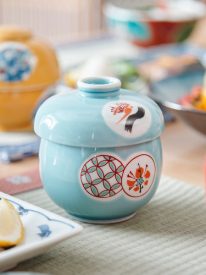
This chawanmushi (Japanese steamed egg custard) bowl has a traditional circle pattern called marumon. The transparent blue-green color unique to celadon porcelain is beautiful and contrasts elegantly with the red circle pattern. Tasei Kiln is a kiln that originally made chawanmushi bowls for restaurant use. If you make chawanmushi with it, you can enjoy authentic…
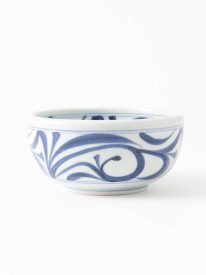
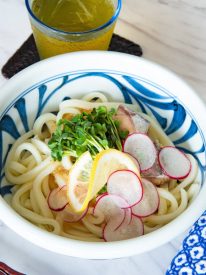
This large-sized serving bowl features one of the signature motifs of Tobe ware. The graceful arabesque design is brought to life by the warmth of its dynamic hand-painted brushstrokes, inspired by nature and the striking contrast of indigo on porcelain white. The extended pattern inside the bowl creates a rich and harmonious design. Renowned for…
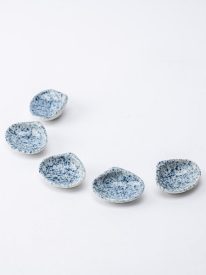
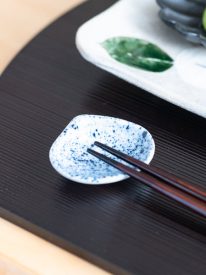
Adding ceramic chopstick rests shaped like shells to your table is a great way to bring a refreshing feel. These accessories have an authentic texture which makes them seem like they were taken straight from nature. This particular type of pattern is created through the method known as “Fukizumi” (spraying ink). It involves using water-soluble…
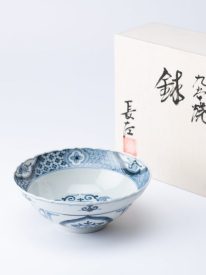
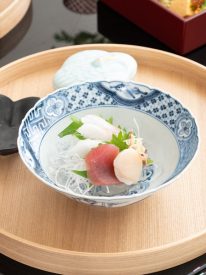
This bowl showcases exquisite sometsuke designs hand-painted by master craftsman Yamamoto Choza. Detailed depictions of ancient treasures are believed to invite good fortune and prosperity. On the bottom of the bowl is the fuyode pattern, named after the Japanese word for cotton rose, with petal-like windows embellished with auspicious motifs. The intricacies of each design…
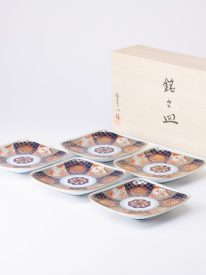
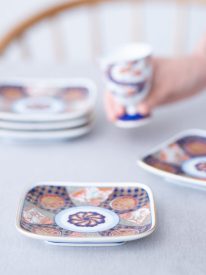
These side plates are beautifully decorated reflecting high-quality craftsmanship. The technique displayed in this plate is called somenishiki where the bowl is first glazed with white and blue patterns and then is further decorated with detailed hand painted drawings. The character in a circle on the plates is the character “kotobuki.” This character is used on…
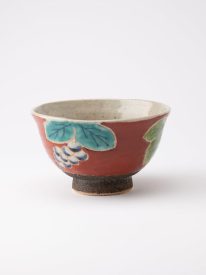
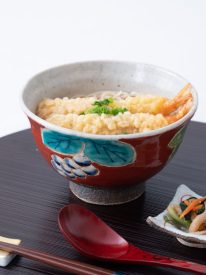
This regular-sized donburi bowl features a deep color scheme of dark red and vibrant green with a charming design of grapes and grape leaves. It showcases the striking kannyu texture, in which delicate, crack-like crazing patterns are formed beneath the glaze. Its depth and straight sides help retain the food’s warmth while adding a touch…
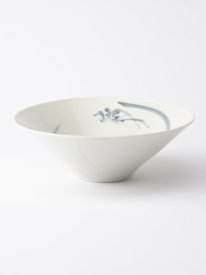
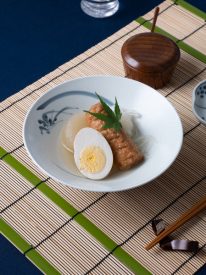
This is a serving bowl by Ri Sanpei (Yi Sam-pyeong) Kiln, a brand by the descendant of Yi Sam-Pyeong, the discoverer of white porcelain ore for Arita ware. The simple design with flowing orchids can be used for any menu. This is one of Ri Sanpei (Yi Sam-pyeong) Kiln’s most popular and classic products.Using the same Izumiyama…
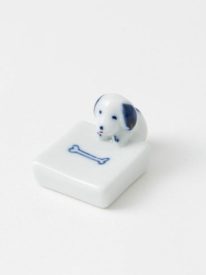
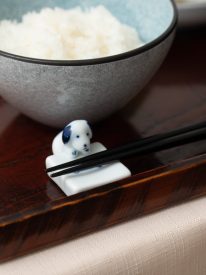
The motif of this Japanese chopstick rest is a dog waiting patiently in front of a bone. “Mate” means “stay” in English. When you place the chopsticks on the rest, it looks as if the dog is watching over them. From the side or behind, this chopstick rest looks adorable from any angle. The indigo…
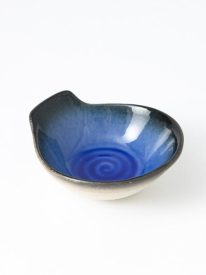
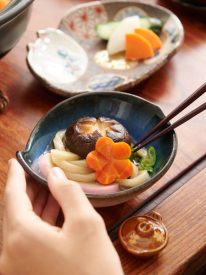
This bowl stands out with its stunning indigo glaze. The exterior has a slightly rough texture, preserving the natural warmth and character of the clay. Created with its unique shape as a tonsui, this bowl is primarily intended as a serving bowl for hot-pot dishes. It also works wonderfully for holding noodle dipping sauces or as…
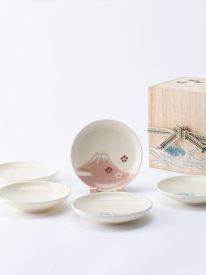
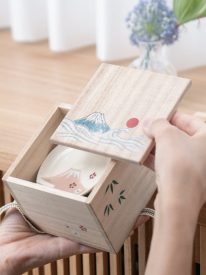
This set of five small plates showcase Mt. Fuji in all its beauty across the different changing seasons. Adorned with traditional Japanese symbols that are known to bring good fortune, they offer a stunning display of nature and culture. The five different hues of Mt. Fuji and its auspicious accompaniments decorate the yellowish cream white…
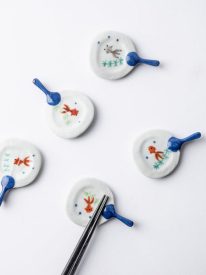
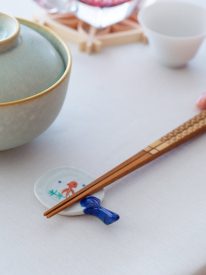
These five paper fan-shaped chopstick rests all feature different designs of goldfish in the water. One of the designs is of an inky black goldfish and the other four are brilliant red fish. According to Feng Shui beliefs, the red goldfish bestows good luck while the black goldfish absorbs negative energy. Furthermore, the water plants…

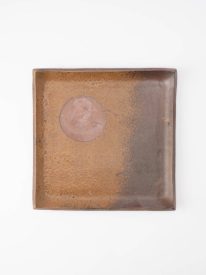 Botamochi Square Dinner Plate
 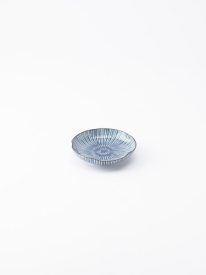 Fukuhou Kiln Tokusa Hasami Sauce Plate