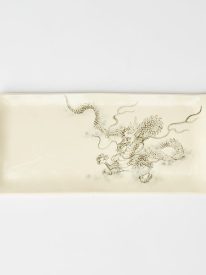
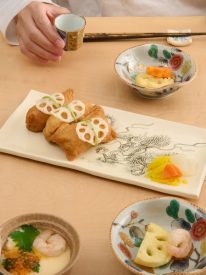
This rectangular ivory-hued plate is adorned with an intricately hand-painted dragon design, crafted with exceptional skill by a master artisan. Every detail, from the dragon’s whiskers and scales to the swirling clouds around it, is brought to life with remarkable precision. The image of the five-clawed dragon, originating from China and later embraced in Japan,…
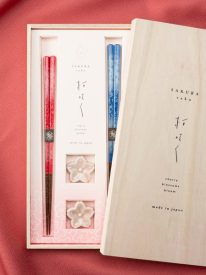
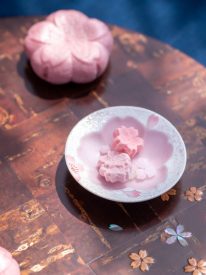
Delicate blossoms scattered over a soft gradient of colors evoke the image of cherry blossoms, sakura in Japanese, floating on a clear day. Subtle touches of glitter enhance the impression of a bright spring day, perfect for enjoying sakura in full bloom. Further adding to the allure are the Hasami ware chopstick rests in a…
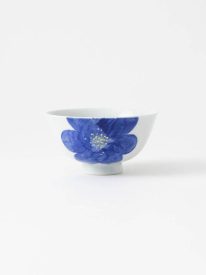
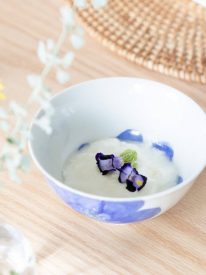
This beautiful rice bowl features soft blue flowers as if painted with watercolors. The bright design resembles blooming flowers, bringing joyful atmosphere on the table. It is painted by the female artist, Ohigashi Alyne, who was born in Philippines. She uses a unique technique called washi-zome (Japanese paper dyeing) and continues her ideal stoneware-making in Higashi…
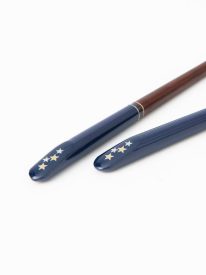
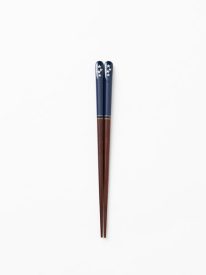
These are children’s chopsticks made of natural wood and lacquer, embellished with maki-e, a traditional lacquerware technique. The top ends are cut diagonally with a charming star pattern. Perfect for children from around five to nine years old, these chopsticks feature square tips for easy handling. The joy children experience using them makes this pair…
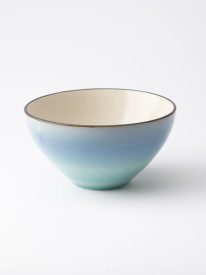
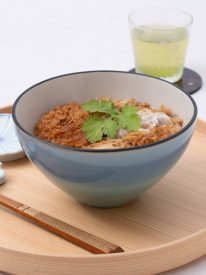
Elegant and modern, this medium bowl features a stunning gradient of blue hues. This donburi bowl showcases the distinctive crack-like texture of kannyu, a crazed surface formed by the differing expansion rates of clay and glaze. These delicate patterns add depth and character to the design. In addition to its striking appearance, the bowl is highly…
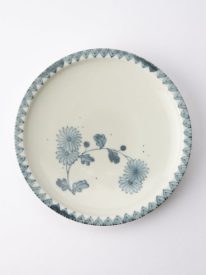
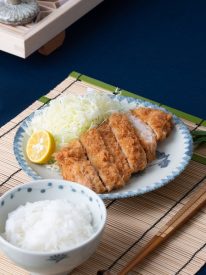
This is a Arita ware plate by Ri Sanpei (Yi Sam-pyeong) Kiln, a brand by the descendant of Yi Sam-Pyeong, the discoverer of white porcelain ore for Arita ware. This dish is simple, yet dignified and powerful. This design itself is from the early Imari period, about 400 years ago. Chrysanthemums are characterized not only by their beauty…
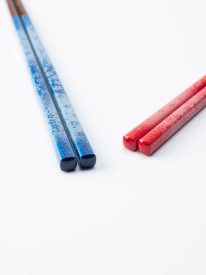
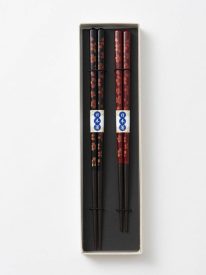
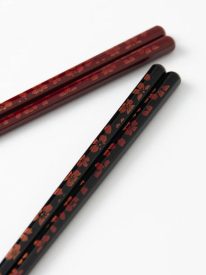
This set of Japanese chopsticks features sakura, cherry blossoms, with falling petals. Sakura symbolizes inner beauty and elegance in Japanese culture. These chopsticks have a glossy texture and are easy to hold. The non-slip tips of the chopsticks make it easier to eat slippery foods such as noodles. Its timeless design is suitable for daily…
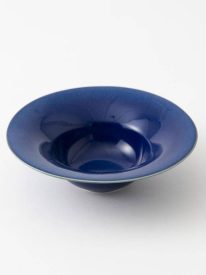
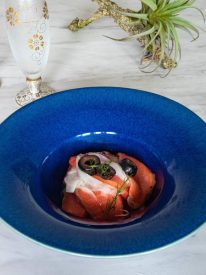
This deep side plate in a shiny dark blue color has an exquisite silhouette with wide rims and and a beautiful curve. The size is perfect for serving a salad, appetizers, sunomono “vinegared food,” aemono “seasoned or sauced food” and nimono “simmered food.” It is great for not only Japanese food, but also various food…
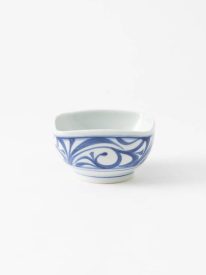
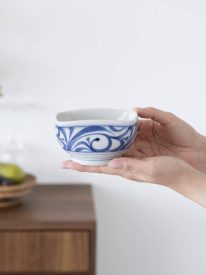
This small square kobachi bowl features a hand-painted arabesque pattern, one of the representative motifs of Tobe ware. The indigo shade adds a modern touch, while the natural motifs convey the warmth of hand-painted craftsmanship. It is ideal for serving various side dishes, such as tangy sunomono and slowly simmered nimono. The shape stands out…
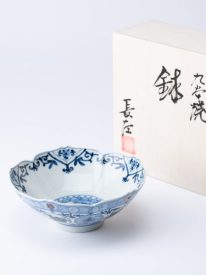
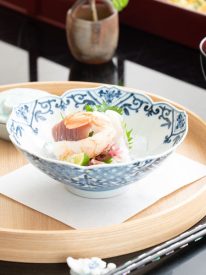
This bowl features exquisite sometsuke designs with colored details hand-painted by master craftsman Yamamoto Choza. The bottom of the bowl is adorned with a flower and bird motif, while the exterior is lavishly decorated with traditional auspicious patterns across its entirety. The intricacies of each design invite a closer look. The porcelain base is crafted…
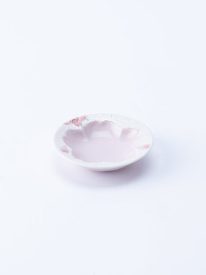
This small sauce plate boasts a soft pink hue, its edges adorned with a lustrous glaze that casts a splendid, colorful glow. The center of the plate features a sakura, cherry blossom, design with the rims decorated with pink gradient flowers and petals. It is perfectly suited for use as a sauce plate and equally…
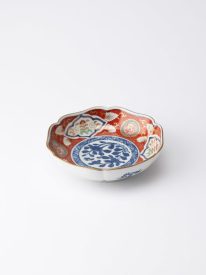
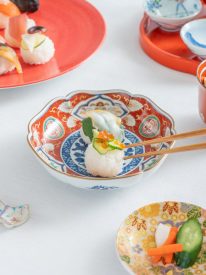
This mokko-shaped small bowl features a modern interpretation of the traditional classic patterns of old Imari. Mokko is the name for a round squarish shape and is considered an auspicious shape which represents family prosperity. “Aka” means red and “dami” is the name for the technique where the artist first outlines the area to be…

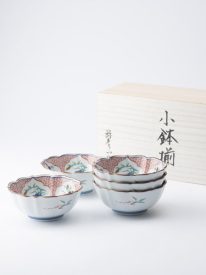 Yazaemon Flower and Bird Kobachi Small Bowl Set
 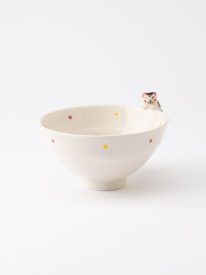 Kikusho Kiln Red Dot Cat Hasami Japanese Rice Bowl
 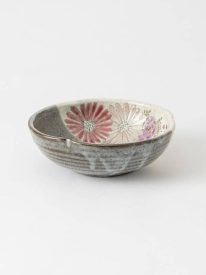 Brilliant Pink Flower Medium Bowl