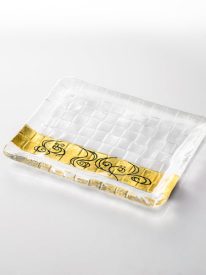
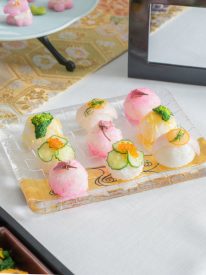
Meticulously handcrafted by adept artisans, the Yoshita Kasho Maki-e glass rectangular plate is a paragon of exquisite craftsmanship, effortlessly uniting the peerless quality of glass with a pioneering technique. This involves the integration of hand-painted Maki-e, employing natural lacquer, harmoniously combined with the esteemed Kanazawa gold leaf, presenting a piece where finesse and tradition resonate in…
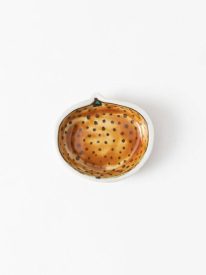
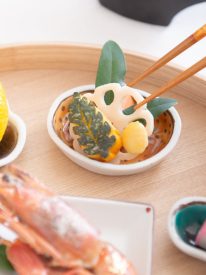
This sauce plate takes the shape of a mikan (mandarin orange), capturing its charming form and vibrant essence. The hand-painted design adds a sense of warmth and character. Perfectly sized as a sauce plate, it is also versatile enough to serve cheese, nuts, condiments, and other small bites. You can also use it to hold…
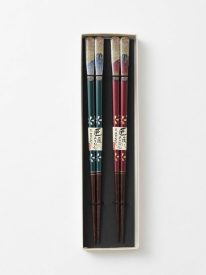
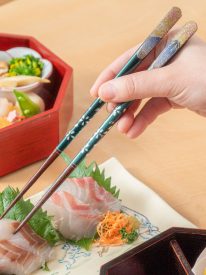
This exquisite set of Japanese chopsticks features Mt. Fuji in a shimmering crystalline sparkle. The green chopsticks showcase a blue Mt. Fuji with silver sakura petals, while the red pair presents a red Mt. Fuji with golden sakura petals. Celebrating the mountain’s timeless beauty and elegance, these chopsticks capture the iconic image of Mt. Fuji in…
This porcelain sauce plate is painted with an elegant traditional pattern in white, decorated with the pattern called “hanazume,” giving an image of flowers blooming all at once. While Kutani ware is loved for its vibrant colors, the hachi-kutani series features sauce plates all in white. They are made at Seikou Kiln. Seikou Kiln researched Japanese overglaze…
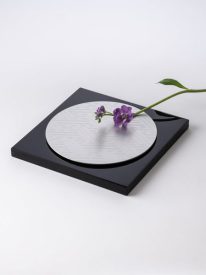
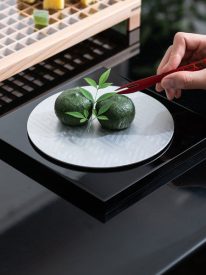
This serving tray is the result of a collaboration between a matte, subdued aluminum tray and a deep, moist Echizen lacquerware tray. “Sayagata” is one of the auspicious patterns meaning prosperity and longevity of a family. It is a diagonal overlay of the Sanskrit character for Manji (Buddhist cross). It can be used as a…
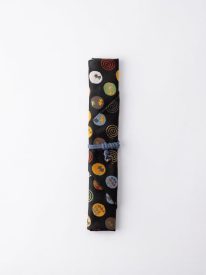
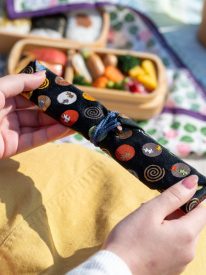
This gorgeous chopstick case is decorated with a summer festival motif. The ideal chopstick length is 23.5 cm (9.3 in), but the case provides enough space to securely wrap chopsticks up to 24 cm (9.4 in) in length, including the tips. A cap for the chopstick tip is included for hygienic use. The chopstick case…
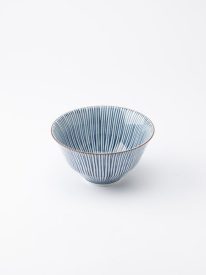
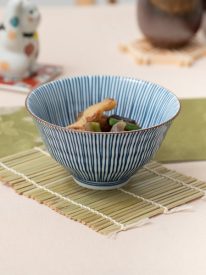
This small-sized donburi bowl from Fukuhou Kiln features the traditional Japanese tokusa “horsetail” pattern. Its depth helps retain the food’s warmth while adding a touch of style and practicality. Beloved since the Edo period (1603 CE-1868 CE), this pattern of straight vertical lines is inspired by the Japanese plant tokusa, known in English as rough…
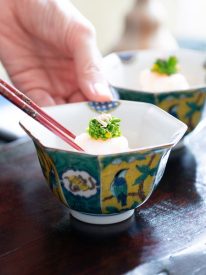
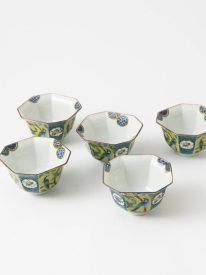
A set of 5 small Japanese kobachi bowls depicting peaches and birds in Yoshidaya style. It is a perfect size for serving side dishes such as Sunomono(vinegared food) or Nimono(Simmered food). Each piece is uniquely hand-painted by a dedicated artisan of Kutani ware, making the texture of the plate warm and appealing. It comes in…
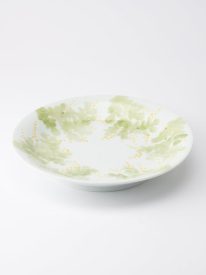
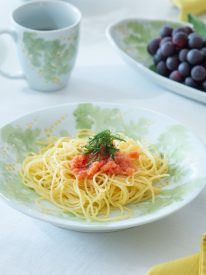
A beautiful mimosa design is painted on a white porcelain canvas. Small dots painted in gold are scattered, adding a discreet accent to the overall design. The refreshing impression of this plate is a perfect match for whatever you place on it. It is painted by the female artist, Alyne Ohigashi, who was born in…
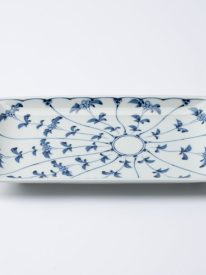
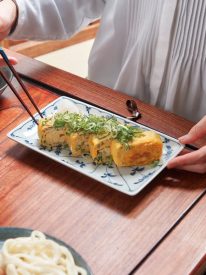
This elegant rectangular dinner plate is produced by Takayama, renowned for Hasami porcelain. The entire surface features the striking wari-kusabana motif of stemmed flowers separated by scrollwork, which has long been cherished as a symbol of renewal and hope for its ability to flourish even in harsh conditions. Delicate yet powerful, this pattern enhances the…
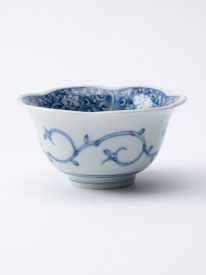
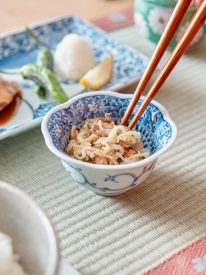
This elegant kobachi small bowl is crafted by Takayama, renowned for Hasami porcelain. In the classic blue and white of sometsuke, it features an interior pattern of richly swirling scrollwork, with additional vine-like arabesques toward the rim. This beautifully contrasts with a simple exterior of simple karakusa budding vines. Vine motifs have long been cherished…
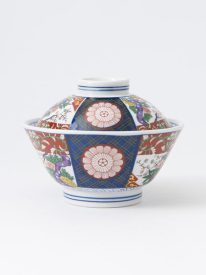
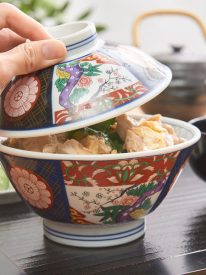
This small-sized Japanese donburi rice bowl features peonies, framed by dark blue, lattice-like patterns, all rendered in the traditional nishiki-e style. Nishiki-e, meaning “brocade picture,” is a multi-colored woodblock print technique that revolutionized ukiyo-e during the Edo period (1603-1868 CE), when most prints were in black and white. The lid helps keep the food warm and…

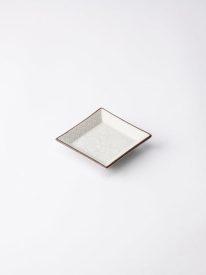
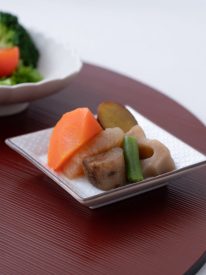
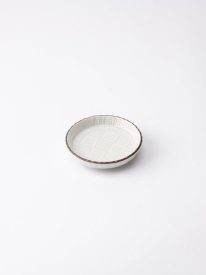 Hachi-Kutani Cobblestone Sauce Plate
 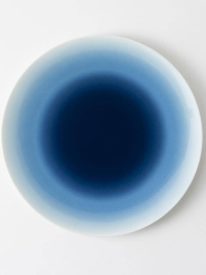 Land Blue Round Dinner Plate 9.2 in