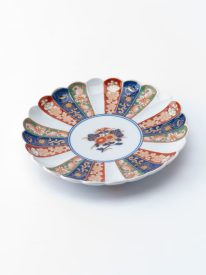
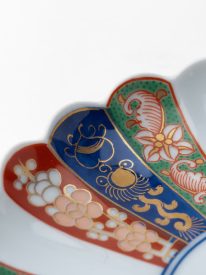
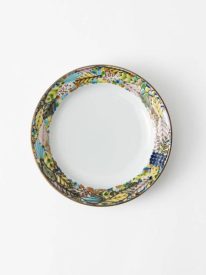
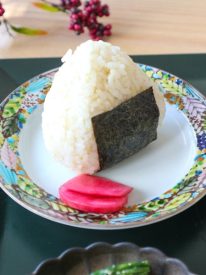
This gorgeous side plate showcases a modern interpretation of classic old Imari patterns. A harmonious blend of vivid colors, gold, and white lends it a refined appealperfect for everyday use or as a special gift for anyone who loves Japanese arts and crafts. Its versatile size suits main dishes, sides, and desserts alike. Thanks to…
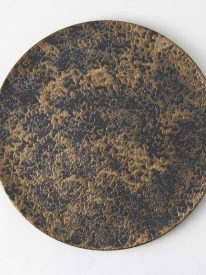
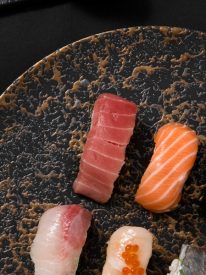
This stunning dinner plate combines matte black with muted gold tones, creating an eye-catching and modern design. Its sophisticated color palette makes it a versatile choice for any table setting. Durable and practical, it’s favored by restaurants in Japan and beyond. Ideal for serving sashimi, sushi, or tempura, it also works beautifully for appetizers, main…
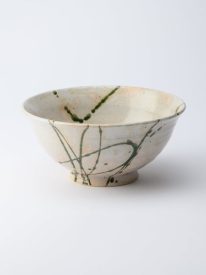
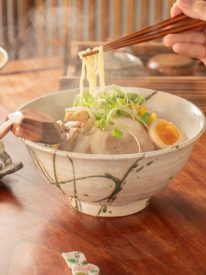
This donburi fascinates with its elegant water plant motif, highlighted with brown splashes. The green glaze and abstract brushstrokes are characteristic of Yashichida Oribe ware. Tsujii Musashi, inspired by nature, infuses his creations with a subtle, rustic charm. The bowl’s refined beauty is further enhanced by gohondedelicate pinkish spots that appear naturally after the firing…
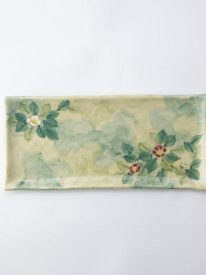
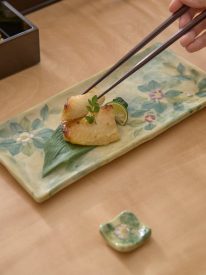
The surface of this plate radiates a milky luminance, courtesy of its glazed stoneware finish. The camellia design takes center stage, illustrating Taniguchi’s artistic evolution. Beginning with a solitary camellia, the design has been meticulously refined to incorporate leaves that harmoniously blend dark and light green shades. The petals, treated with white and red…
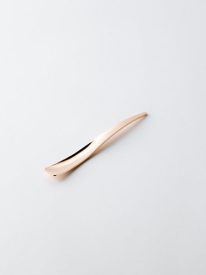
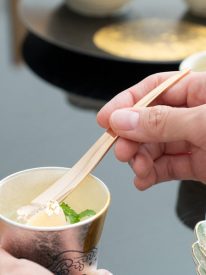
Introducing the tea spoon from the “URBAN” series, which harmonizes effortlessly with any type of dishware. It is produced in Tsubame-Sanjo, a region that accounts for 90% of metal utensil production in Japan. Unlike the design of a typical tea spoon, the entire spoon is shaped with a supple curve that resembles the flow of…
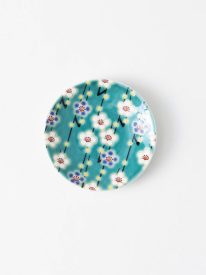
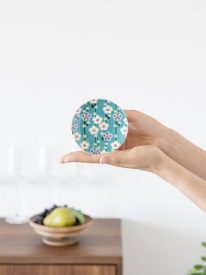
This is a Japanese small plate with a plum blossom pattern on a beautiful blue-green background. Plum blossoms have been a favorite flower in Japan for a long time, and are a motif often used in kimonos and tableware. The plum blossoms are considered to be auspicious, as they are the first to bloom…
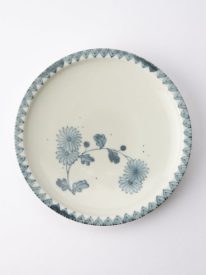
This is a Arita ware plate by Ri Sanpei (Yi Sam-pyeong) Kiln, a brand by the descendant of Yi Sam-Pyeong, the discoverer of white porcelain ore for Arita ware. This dish is simple, yet dignified and powerful. This design itself is from the early Imari period, about 400 years ago. Chrysanthemums are characterized not only by their beauty…
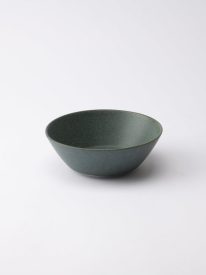
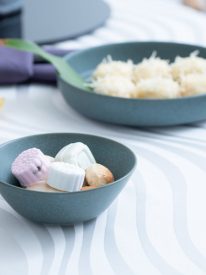
This bowl from the Jade series features a moody green color, reminiscent of a deep forest. Instead of shiny, bright gems, the design is chic and modern, featuring subdued tones and matte textures like Jade gemstones. The deep green tones go well with warm-colored foods such as red, yellow, and orange. Even a few bright colors,…
This nature-themed side plate is part of the Hamorebi series, meaning “sunlight filtering through leaves.” Each piece is beautifully hand-painted by female artisan Sakurai Chie. Using traditional Japanese coloring paintsa hallmark of Kutani warethe painted areas have a slightly raised texture, adding depth and character to the design. Perfect for serving small desserts, fruits, or…
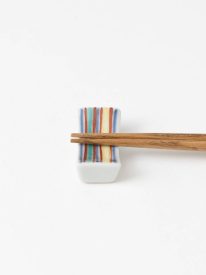
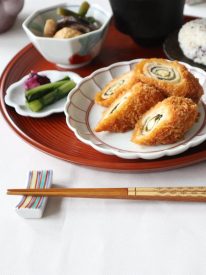
Brighten up your table with a pop of color with this charming chopstick rest. Adorned with vibrant stripes in a medley of warm and cool hues, this piece adds a fun yet tasteful touch to any setting. Its versatile design effortlessly complements both traditional and contemporary styles, making it a go-to for daily dining and…
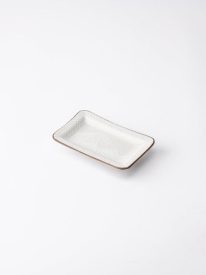
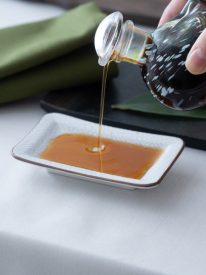
This sauce plate has the design of Katsushika Hokusai’s iconic print, “Under the Wave Off Kanagawa.” Katsushika Hokusai is one of the most renowned ukiyo-e artists of the late Edo Period (1603-1868). While Kutani Ware is loved for its vibrant colors, the hachi-kutani series features sauce plates all in white. They are made at Seikou Kiln. Seikou Kiln…
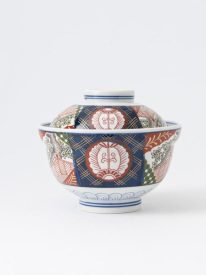
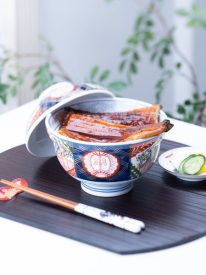
This large-sized Japanese donburi rice bowl features sakura, or cherry blossoms, framed by dark blue, lattice-like patterns, all rendered in the traditional nishiki-e style. Nishiki-e, meaning “brocade picture,” is a multi-colored woodblock print technique that revolutionized ukiyo-e during the Edo period (1603 CE-1868 CE), when most prints were in black and white. The lid helps keep…


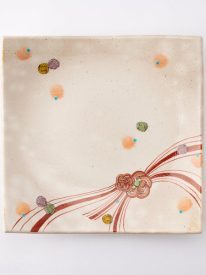 Kokuzou Kiln Mizuhiki Kutani Square Plate
 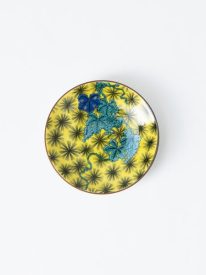 Grape Sauce Plate
 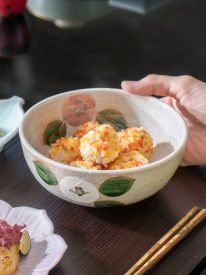 Camellia Serving Bowl
 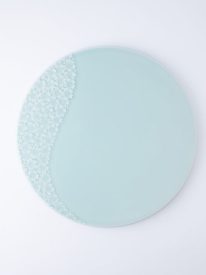 Hataman Touen Moist Floating Sakura Imari Nabeshima Ware Large Plate