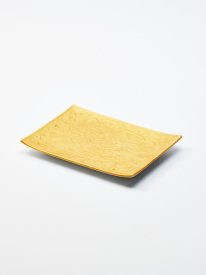
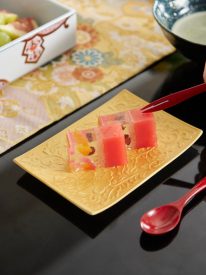
With its delicate, almost lace-like monochromatic elegance, this gold-colored plate is a unique take on a floral pattern from a dyeing technique originally imported to Japan from India. Sarasa, better known in the West as chintz or calico, is presented here in a luxurious and sophisticated style. Sarasa patterns were seen in dyed cotton textiles…
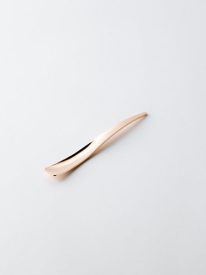
Introducing the tea spoon from the “URBAN” series, which harmonizes effortlessly with any type of dishware. It is produced in Tsubame-Sanjo, a region that accounts for 90% of metal utensil production in Japan. Unlike the design of a typical tea spoon, the entire spoon is shaped with a supple curve that resembles the flow of…
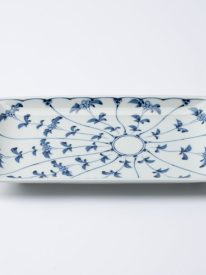
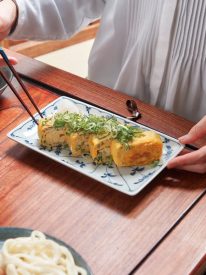
This elegant rectangular dinner plate is produced by Takayama, renowned for Hasami porcelain. The entire surface features the striking wari-kusabana motif of stemmed flowers separated by scrollwork, which has long been cherished as a symbol of renewal and hope for its ability to flourish even in harsh conditions. Delicate yet powerful, this pattern enhances the…
This kobachi small bowl is a beautifully decorated item reflecting the high-quality craftsmanship handed down for generations within Arita Porcelain Lab’s long history. The technique displayed in this bowl is called somenishiki where the bowl is first glazed with white and blue patterns and then is further decorated with detailed hand painted drawings. The character in a…
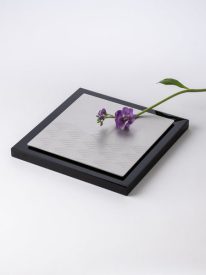
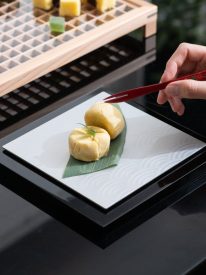
This serving tray is the result of a collaboration between a matte, subdued aluminum tray and a deep, moist Echizen lacquerware tray. The wave pattern is called “seigaiha“, which is a traditional Japanese pattern that reminds us of the blessings of the vast ocean. The infinitely expanding wave pattern is an auspicious one that expresses…
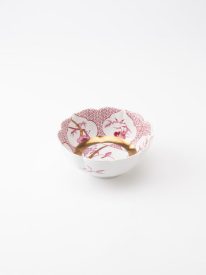
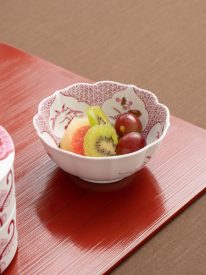
Hundreds of years of skill and technique are carefully crafted in this hand-size kobachi small bowl in wine red. The design is arranged with traditional auspicious patterns, making the tableware suitable for the modern dining scene. The sides of the bowl are shaped like the petals of a flower giving the bowl an elegant look….
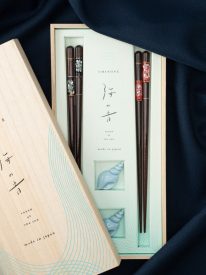
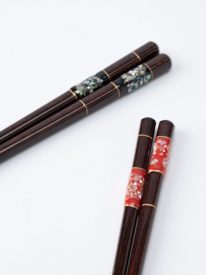
These chopsticks from Matsukan’s Sound of the Sea series are crafted using the raden technique, where intricate cuts of mother-of-pearl are embedded into the lacquer. Lightweight and easy to hold, their tips are finished with a non-slip surface. The chopstick rests are made with a seashell-shaped mold originally used for rakugan, a traditional Japanese confectionery. The…
This nature-themed side plate is part of the Hamorebi series, meaning “sunlight filtering through leaves.” Each piece is beautifully hand-painted by female artisan Sakurai Chie. Using traditional Japanese coloring paintsa hallmark of Kutani warethe painted areas have a slightly raised texture, adding depth and character to the design. Perfect for serving small desserts, fruits, or…
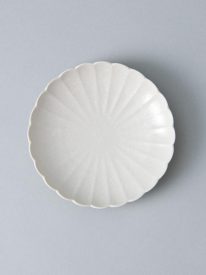
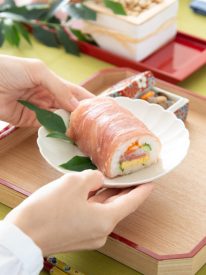
This chrysanthemum shaped side plate features a matte white color, overlaid with a white speckled glaze that looks like snow. Chrysanthemum is a shape often used in Japanese tableware. Chrysanthemums have meanings such as “love” and “true strength” and are known as an auspicious motif. Highly versatile and perfect size as an extra plate for serving…
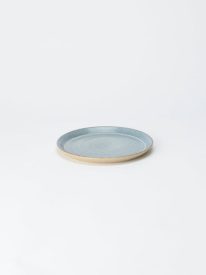
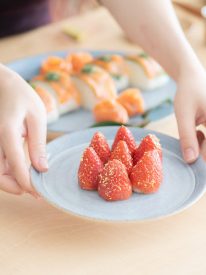
This versatile plate beautifully features the natural textures and hues of Shigaraki pottery. It’s offered by Homeland, a brand dedicated to providing kitchen items that become cherished tools in everyday life, and crafted in collaboration with Hissan Pottery, a renowned Shigaraki ware kiln. The delicate variations of blue in aohagifrom the soft light of a…
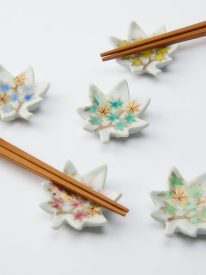
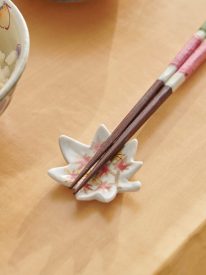
This is a set of chopstick rests, each shaped and painted to resemble a maple leaf, featuring five different colors of maple leaves. Some of the leaves are delicately highlighted with Kinsai gold paint, adding a touch of elegance. The variety of colors and the festive impression of the chopstick rests make them suitable for…
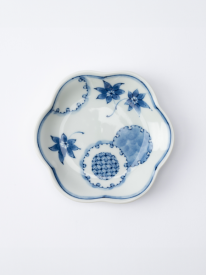
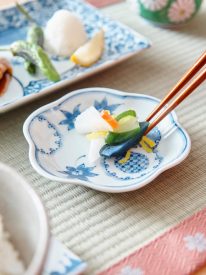
This elegant sauce plate is crafted by Takayama, renowned for Hasami porcelain. In the timeless blue and white of sometsuke, it features the shape of a snowflake and is decorated with maple leaves. The plate’s size is ideal for sides and small desserts like wagashi, and traditional Japanese sweets, and the shape stacks neatly with other…

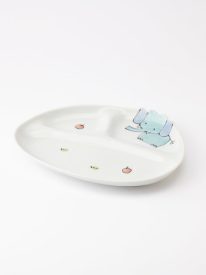 Elephant Hasami Wave Children's Divided Plate
 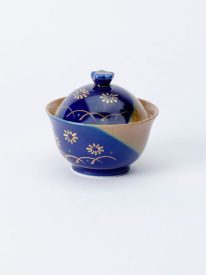 Blue Glaze Gold Chrysanthemum Chawanmushi Bowl
  Kinza Star of Hope Chopsticks
 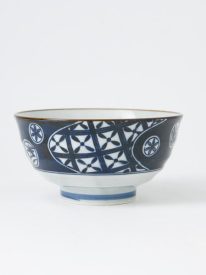 Twist Shonzui Donburi Bowl M
 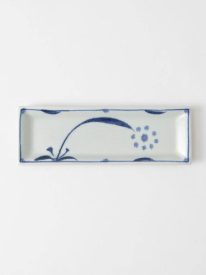 Indigo Sun Rectangular Dinner Plate