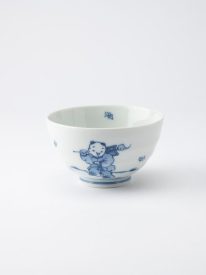
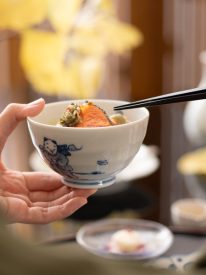
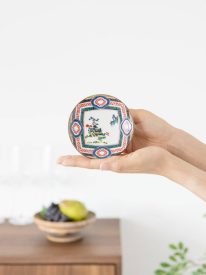
This splendid rice bowl, adorned with delicately painted karako, Chinese-style playful children, encapsulates the essence of playful elegance. Meanwhile, the interior features a single butterfly, displaying both a narrative quality and refined simplicity. Holding this charming bowl in your hand, you can feel the lightness and thinness characteristic of Mikawachi ware. It displays an exquisite gradation,…
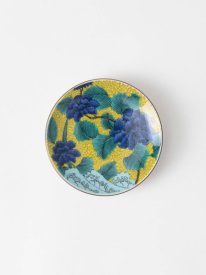
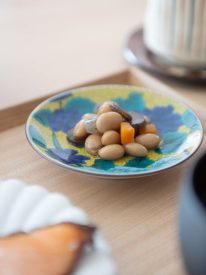
The sauce plate features large blue peonies elegantly painted against a yellow background.This is a typical design of the ko-Kutani (old Kutani) style dating back to mid-17th century, depicting the nature-themed daring design and distinctive bright colors of Kutani ware. With a diameter of 10.5 cm (4.1 in), it is a perfect for serving sauces…
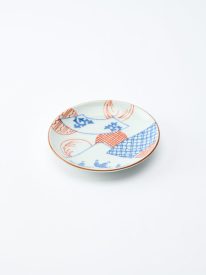
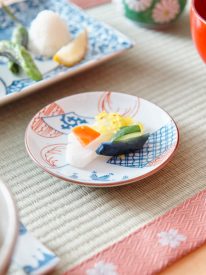
This sauce plate features fan-shaped motifs alongside an iconic depiction of Mount Fuji. In Japanese culture, the fan motif is regarded as an auspicious symbol that heralds both prosperity and the arrival of good fortune. The technique displayed in this plate is called somenishiki where the plate is first glazed with white and blue patterns…
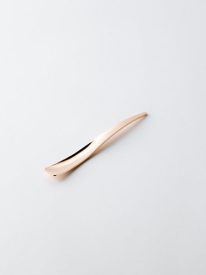
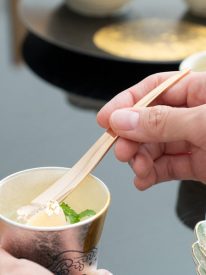
Introducing the tea spoon from the “URBAN” series, which harmonizes effortlessly with any type of dishware. It is produced in Tsubame-Sanjo, a region that accounts for 90% of metal utensil production in Japan. Unlike the design of a typical tea spoon, the entire spoon is shaped with a supple curve that resembles the flow of…
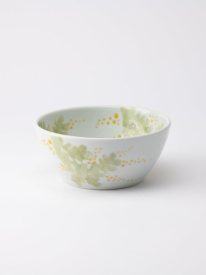
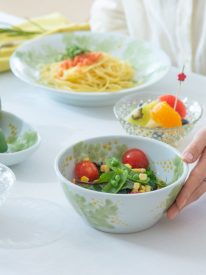
A beautiful mimosa design is painted on a white porcelain canvas. Small dots painted in gold are scattered throughout the design, adding a discreet accent to the overall design. The refreshing impression of this donburi bowl will enlighten your table. Suitable for rice bowl recipes using about 1 cups (1 gou) of rice. This size…
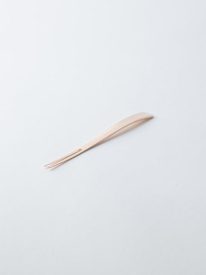
Introducing the fruit fork from the “URBAN” series, which harmonizes effortlessly with any type of dishware. It is produced in Tsubame-Sanjo, a region that accounts for 90% of metal utensil production in Japan. The entire fork is designed with a supple curve that resembles the flow of water. This curvature seems to comfortably adapt to your…
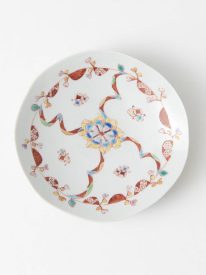
This side plate features a beautiful contrast of brilliant colors on a white canvas, making the most of the distinctive texture of porcelain. The fine touch of flowers are hand-painted by an artisan from Ginshu kiln, which is especially known as its romantic and playful painting. The painted areas have a slightly raised texture, a…
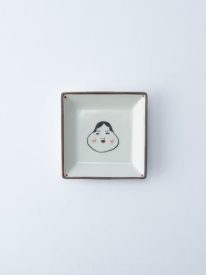
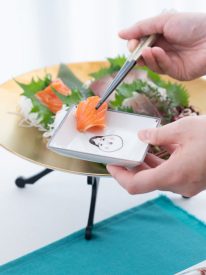
This square sauce plate features a playful depiction of okame, a traditional Japanese mask motif known for its cheerful expression and association with good fortune. Characterized by a round face, short hair, and rosy cheeks, okame is depicted here with a warm smile and full red lips, bringing charm and lightheartedness to the design. Perfect…
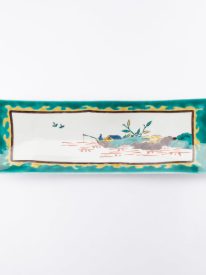
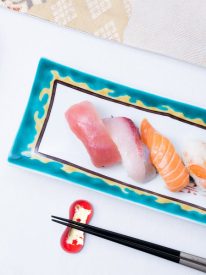
This rectangular platter features a painting of an angler on a boat with natural landscapes in ko-Kutani (old Kutani) style, one of the remarkable painting styles of Kutani ware. All painted by hand, the bright colors on the white background create a beautiful contrast. The foot is also painted in green, showing the attention to detail….
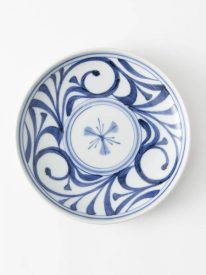
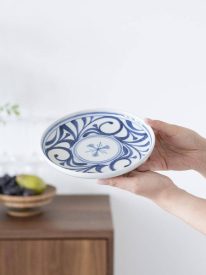
This round plate features an arabesque pattern, one of the representative motifs of Tobe ware. The shade of indigo gives this piece a modern elegance. You can feel the warmth of hand-painting from the patterns using nature motifs. With an ideal size for appetizers, small salads, bread, and desserts, this plate offers durability for long-term…
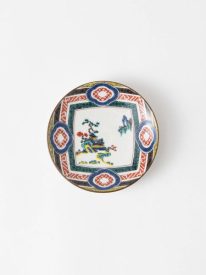
This sauce plate features a landscape with quince flowers in ko-Kutani (old Kutani) style, which is known as depicting the nature-themed daring design and distinctive bright colors of Kutani ware. Perfectly sized as a sauce plate, it is also versatile for serving small foods such as cheese, nuts, and condiments. For a more stylish and sophisticated…
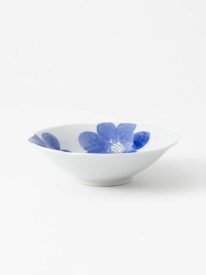
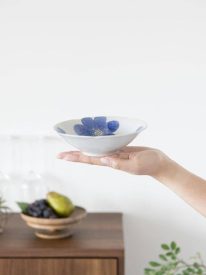
This beautiful bowl features soft blue flowers as if painted with watercolors. The bright design and shape of the rim resembles blooming flowers, bringing joyful atmosphere on the table. It is painted by the female artist, Alyne Ohigashi, who was born in Philippines. She uses a unique technique called washi-zome (Japanese paper dyeing) and continues her…


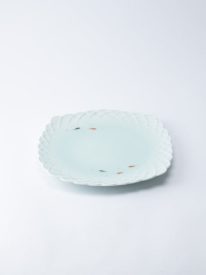 Medaka Rice Fish Weave Square Dinner Plate