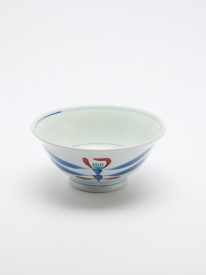
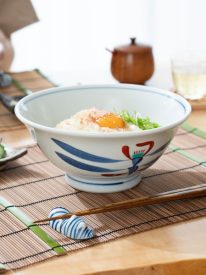
The hand-painted motif on this donburi bowl gracefully transitions between a flower and a dragonfly. The charming design is rendered in blue and red on white porcelain. Created using the tsuketate technique, where each stroke is applied without outlines, the design wins you over with its hand-painted touch and genuine creativity. The sturdy bowl is…
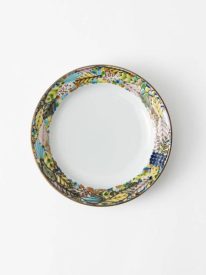
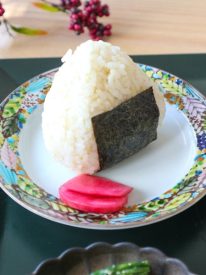
This nature-themed side plate is part of the Hamorebi series, meaning “sunlight filtering through leaves.” Each piece is beautifully hand-painted by female artisan Sakurai Chie. Using traditional Japanese coloring paintsa hallmark of Kutani warethe painted areas have a slightly raised texture, adding depth and character to the design. Perfect for serving small desserts, fruits, or…
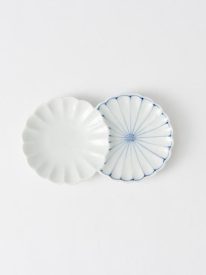
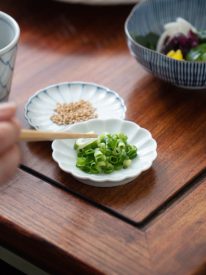
This unique small plate is shaped like two chrysanthemums joined together. One of them features radiating lines colored in indigo blue. Its shape and design make it perfect for serving soy sauce and small relishessuch as spring onions, wasabi, ground ginger, and sesame seedsthat are commonly served with soy sauce when enjoying sashimi or sushi.
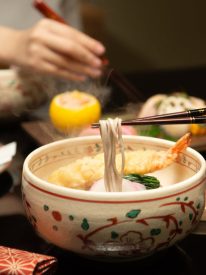
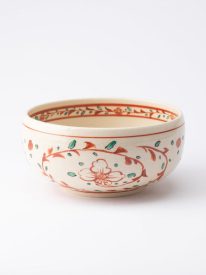
This large bowl is decorated with a hand-painted arabesque pattern on the rustic texture of stoneware and feels warm and inviting. Its practical design makes it easy to use, combining functionality with charm. The vibrant red hue of the design, which extend to the interior, beautifully frame your food to enhance its presentation like a…
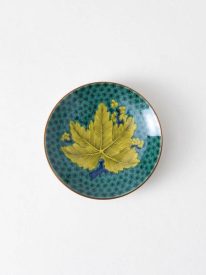
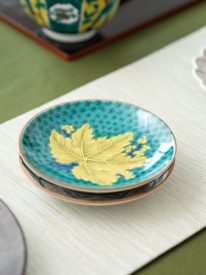
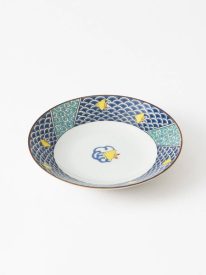
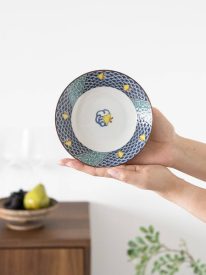
The Japanese sauce plate features a large yellow sycamore leaf in Ko-Kutani (old Kutani) style, dating back to mid-17th century, depicting the nature-themed daring design and distinctive bright colors of Kutani ware. Perfect size as a sauce plate. It is also versatile to serve cheese, nuts, condiments, and other small food. Furthermore, you may also…
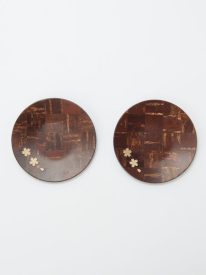
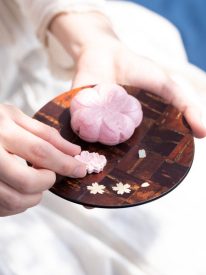
This charming set of two round side plates is crafted from cherry bark, showcasing the natural beauty of this material. Each plate features a checked pattern with cherry blossom detailing. Although small in size, these plates are big in character. The cherry bark has a beautiful natural luster, a deep sheen that seems to shift…
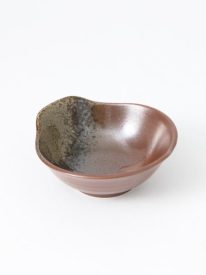
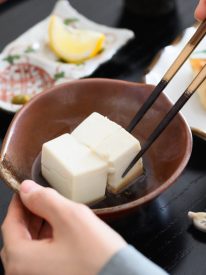
This tonsui bowl stands out for its subtle reddish-brown color. Slightly larger than a typical tonsui, it can hold plenty of soup from a hot pot. By placing your fingers on the handle, you can grip it securely without feeling too much heat. Although tonsui bowls are primarily used for hot pot dishes, they also…
Highly versatile small plate features Japanese traditional chidori pattern. Kutani ware uses a brush for painting with Japanese coloring paint, as you can see the painted part is slightly thickened. The detailed patterns that are created here make each single porcelain completely unique. You will be able to amaze and treat your friends and guests…
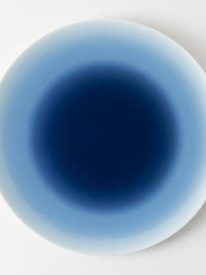
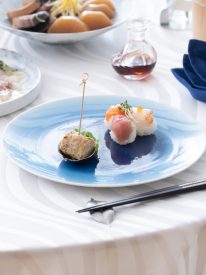
This dinner plate features a stunning blue gradient reminiscent of the tranquil shallows of the sea, bringing a serene and refreshing ambiance to your table setting. Designed for durability and practicality, it is a preferred choice in restaurants across Japan and internationally. Its generous size makes it ideal for serving main dishes, enhancing the presentation…
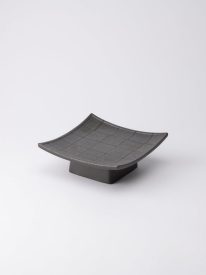
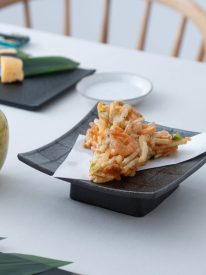
This modern Japanese footed plate features a beautiful checkered pattern in a soft, lustrous silver. The color is achieved using a technique called ginsai, with a charcoal-smoked finish. The high foot design adds a sense of elegance and rhythm to the dining table. Ideal for serving appetizers, main dishes, and side dishes, it’s also perfect…
These chopsticks feature a charming sakura, or cherry blossom, patterns on white bamboo and are finished with a sleek lacquer coating. Sakura symbolizes inner beauty and elegance. Bamboo chopsticks are moderately light and very easy to hold. Their flexibility and thin tips make eating effortless and precise. The warm touch and gentle feel of the lacquer further…
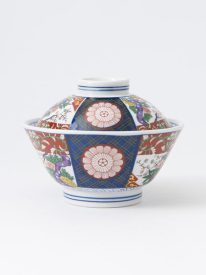
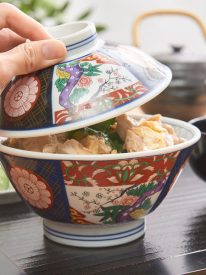
This small-sized Japanese donburi rice bowl features peonies, framed by dark blue, lattice-like patterns, all rendered in the traditional nishiki-e style. Nishiki-e, meaning “brocade picture,” is a multi-colored woodblock print technique that revolutionized ukiyo-e during the Edo period (1603-1868 CE), when most prints were in black and white. The lid helps keep the food warm and…

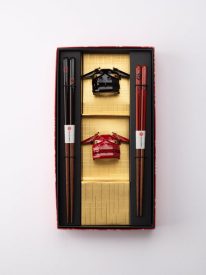 Shishimai Chopsticks Pair Set with Chopstick Rests
 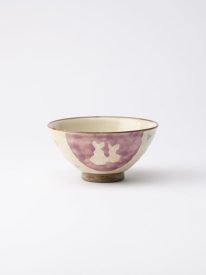 Aizen Kiln Pink Rabbit Hasami Children's Small Japanese Rice Bowl