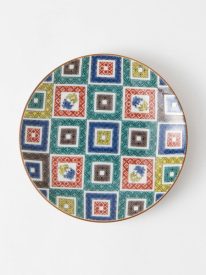
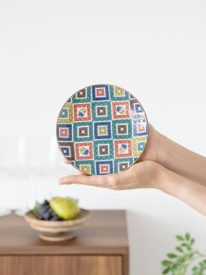
This side plate features traditional tile patterns. Kutani ware uses a brush for painting with Japanese coloring paint, as you can see the painted part is slightly thickened. It is the perfect size as an extra plate for side dishes. It is also versatile to serve cheese, desserts, and other small food. There are different…
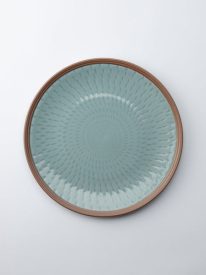
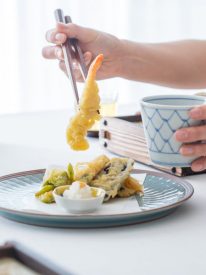
Featuring a round plate exposing the outlines of the red clay, an exquisite balance between the elegance of emerald celadon and the rustic red soil. The glazed surface is smooth with shallow grooves characteristic of “Tobikanna” (chattered pottery). A combination of a century old tradition of Kyoto Celadon pottery, and the folk craft of Kyushu Koishikawara ware,…
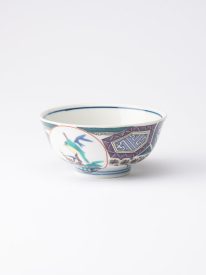
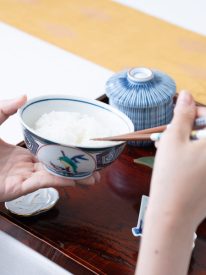
This Japanese rice bowl has a typical design of the Ko-Kutani (old Kutani) style dating back to mid-17th century, depicting the nature-themed motif and traditional patterns and distinctive bright colors of Kutani ware. It is painted with the five colors of red, yellow, green, purple and dark blue, known as “Go-Sai” in Japanese. Kutani ware uses…
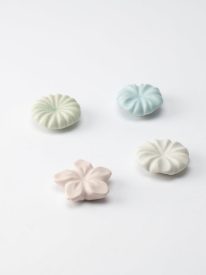
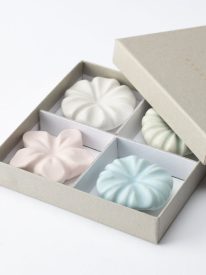
A set of four chopstick rests from the RINKA series with flower shapes. The restrained matte texture of these chopstick rests is beautifully crafted, showing the fine handiwork. Each is covered with four different pale glazes, white, pink, blue, and green, reminiscent of delicate “Wagashi”, traditional Japanese sweets. Usukiyaki is produced using a technique called…
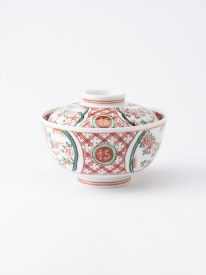
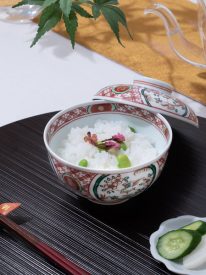
This is a kobachi small bowl with a lid, crafted from Arita ware porcelain. The bowl features a delicate design of flowers and grasses, decorated using the akae technique (overglaze red enamel), with red as the primary color, complemented by accents of green, purple, blue, and other shades. The same elegant pattern is painted on…
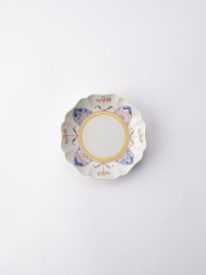
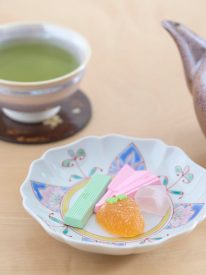
This sauce plate showcases dreamy patterns delicately painted by the artisans of Ginshu Kiln, renowned for its romantic and playful pastel-colored designs. The painted areas have a slightly raised texture, a characteristic of Kutani ware, which is traditionally hand-painted using Japanese coloring pigments and a brush. Perfect size for serving appetizers, cheese, dessert and fruits…
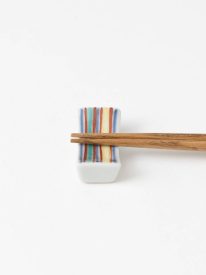
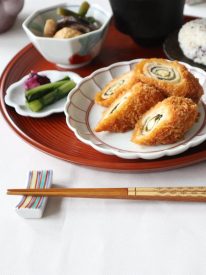
Brighten up your table with a pop of color with this charming chopstick rest. Adorned with vibrant stripes in a medley of warm and cool hues, this piece adds a fun yet tasteful touch to any setting. Its versatile design effortlessly complements both traditional and contemporary styles, making it a go-to for daily dining and…
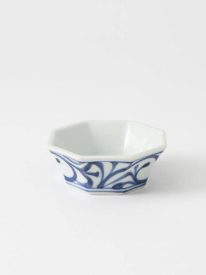
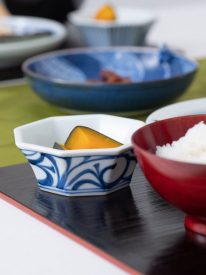
This octagonal kobachi small bowl features a hand-painted arabesque pattern, a representative motif of Tobe ware. The deep indigo shade adds a hint of modern elegance. Perfect for serving small portions of side dishes like tangy sunomono or simmered nimono, it’s also suited for a scoop of ice cream or fresh fruit. The octagonal rim…
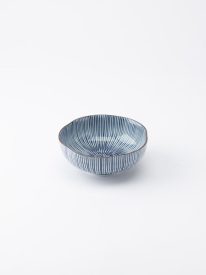
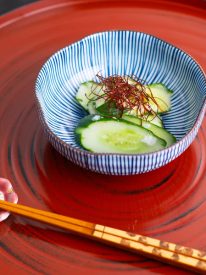
This small bowl is designed with a “Tokusa” pattern drawn by hand with a broom-like brush to make the thin blue lines centering to the middle of the bowl. The undulating sides give the kobachi bowl extra shine and a beautiful shape. The kobachi bowl is small bowl for a single serving of an appetizer…
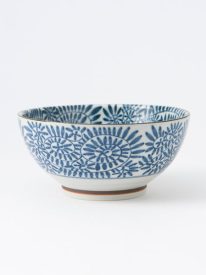
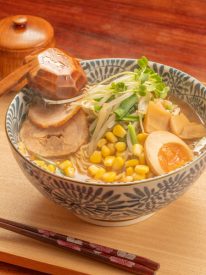
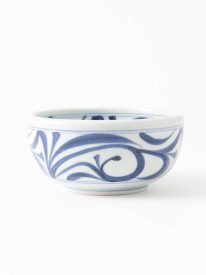
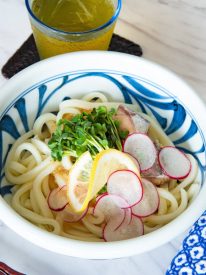
A multitude of leafy curlicues creates a stunning, deep indigo blue arabesque motif on this Japanese bowl. The design of simplified leaves over spiraling vines fills not only the outside, but also the inside the bowl, for a playful ornamental effect. Due to their natural tendency to keep growing, vines are considered to be a…
This large-sized serving bowl features one of the signature motifs of Tobe ware. The graceful arabesque design is brought to life by the warmth of its dynamic hand-painted brushstrokes, inspired by nature and the striking contrast of indigo on porcelain white. The extended pattern inside the bowl creates a rich and harmonious design. Renowned for…
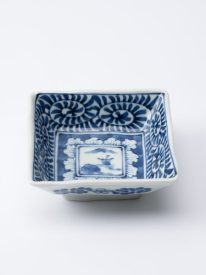
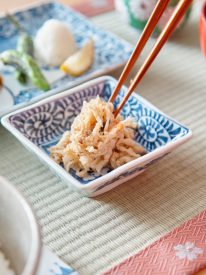
This elegant square kobachi small bowl is crafted by Takayama, a renowned maker of Hasami porcelain, and is dyed with seitan, a kind of indigo. The center of the plate features a traditional sansui landscape painting depicting the grandeur of nature, surrounded by a delicate yet bold karakusa arabesque pattern. In Japanese culture, sansui art symbolizes the…

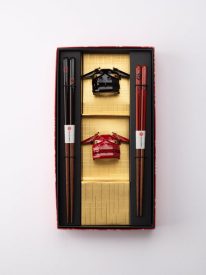 Shishimai Chopsticks Pair Set with Chopstick Rests
 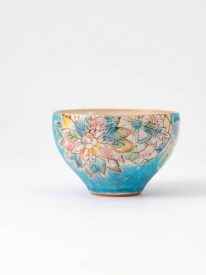 Wind's Path Kobachi Small Bowl
 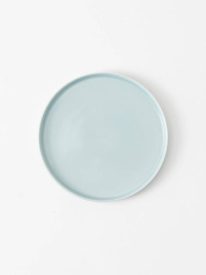 Givre Sauce Plate