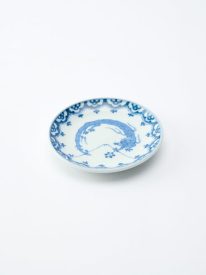
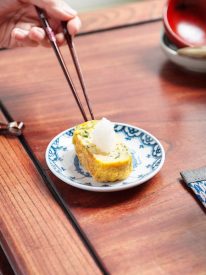
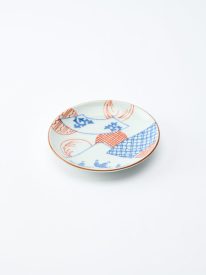
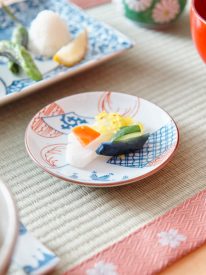
This sauce plate features rinpo, or “wheel-shaped treasure,” along the rim, complemented by an iconic depiction of Mount Fuji with a dragon. In Japanese culture, rinpo is esteemed as an auspicious symbol that signifies harmonious fulfillment. The plate’s size is ideal for sauces, small bites of pickles, fruit, or desserts like wagashi. It stacks neatly with…
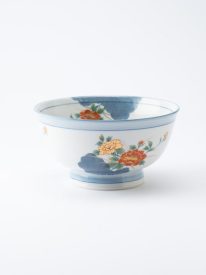
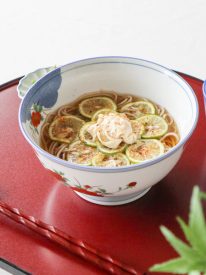
This large donburi bowl is beautifully adorned with delicately drawn peonies and a fabric-like pattern called nunome. In Japanese culture, peonies symbolize nobility, prosperity, and good fortune. The addition of gold accents enhances the bowl’s traditional elegance. The interior of the bowl is also decorated with peonies, allowing you to enjoy a visual feast while savoring…
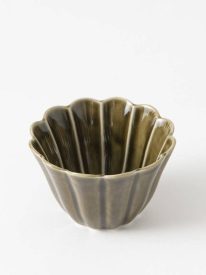
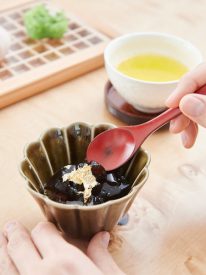
This kobachi small bowl features a chrysanthemum shape and the glossy khaki colored glaze, which enhances the fresh and delicious appearance of the served food. The size is perfect as kobachi to serve any side dish, such as sunomono(vinegared food) , aemono(seasoned or sauced food) and nimono(simmered food) individually.
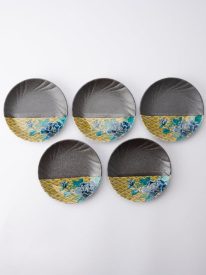
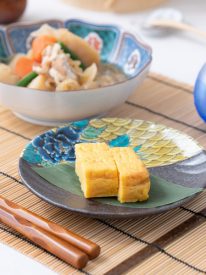
This Japanese plate set features a delicate peony painting on a gray glaze with earthy tones. The vibrant blue, yellow, and green hues of Kutani ware stand out against the subtle gray background, creating a striking contrast that blends tradition with a modern aesthetic. With a diameter of 15 cm (5.9 in), it is ideal…
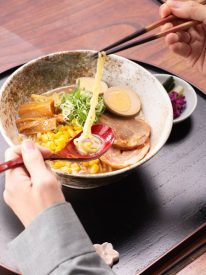
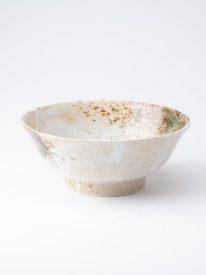
This regular-sized ramen bowl showcases the soft, earthy tones of Shino ware, with shades of brown and green blending seamlessly into a white base. It features a generous application of white glaze, creating a speckled appearance, while the unglazed areas highlight a beautifully rough texture. Originating in Gifu Prefecture during the Azuchi-Momoyama period (1573 CE-1603…
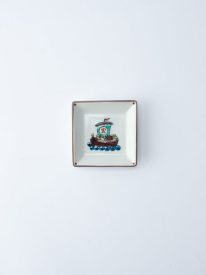
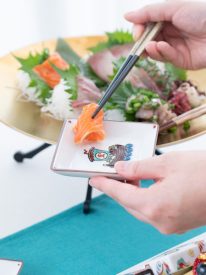
This square sauce plate features a unique depiction of an auspicious treasure boat. In Japanese tradition, the treasure boat is a mythical vessel said to carry the Seven Gods of Good Fortune along with gold, silver, and other treasures during the first three days of the New Year. The character on the sail symbolizes “treasure,”…
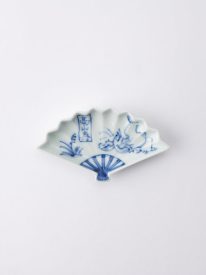
This unique fan-shaped sauce plate features anthropomorphic animals from the famous caricature scroll “Choju-Giga,” painted between the mid-12th and mid-13th centuries which is designated as a national treasure. Next to the anmials, Kozan-ji, the name of a World Heritage temple in Kyoto that owns this scroll is written in Japanese. The plates are available in different…
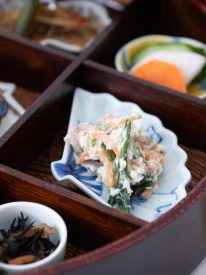
This sauce plate features fan-shaped motifs alongside an iconic depiction of Mount Fuji. In Japanese culture, the fan motif is regarded as an auspicious symbol that heralds both prosperity and the arrival of good fortune. The technique displayed in this plate is called somenishiki where the plate is first glazed with white and blue patterns…
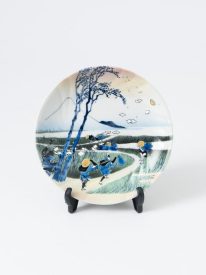
The plate depicts Hokusai’s famous Ukiyoe work, “Sunshu Ejiri“. “Ejiri” is located in what is now Shimizu City, Shizuoka Prefecture. This work shows Hokusai’s talent to capture the moment, such as the lively motion of wayfarer withstanding the wind. With the combination of Kutani ware with the masterpiece of the genius artist Hokusai Katsushika, the…
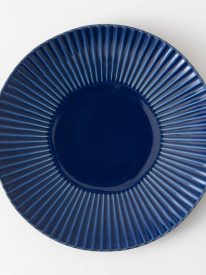
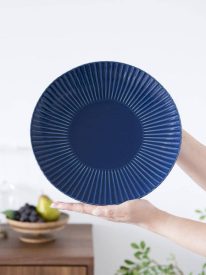
Beautiful Japanese plate featuring an impressive, glossy blue glaze. The delicate shinogi patterns, created by shaving the surface, offer different impressions depending on the viewing angle and lighting. Its size is ideal for serving salads, appetizers, side dishes, and even main dishes. With its refreshing look, it also makes the perfect sashimi or sushi platter.
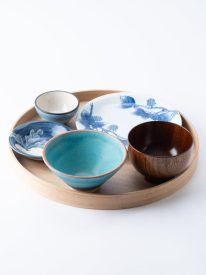
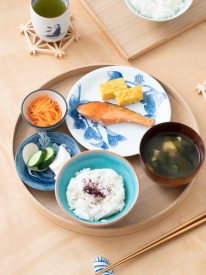
The Quiblas Mono Graceful Garden Dinnerware Set features tableware adorned with Shogoin radish, a summer vegetable from Kyoto, and raspberry branches. The combination of turquoise, a gradient of light blue, and deep brown evokes the feeling of being in a summer garden, creating a sense of nostalgia. The side plate decorated with the Shogoin radish…
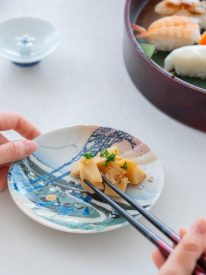
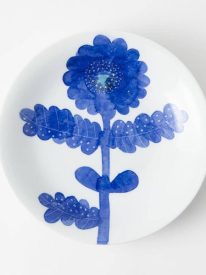
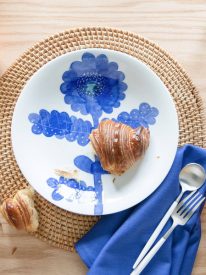
This beautiful round plate features blue flowers as if painted with watercolors. The bright design resembles blooming flowers, bringing a joyful atmosphere to the table. It is painted by the female artist, Alyne Ohigashi, who was born in the Philippines. She uses a unique technique called washi-zome (Japanese paper dyeing) and continues her ideal stoneware-making in…

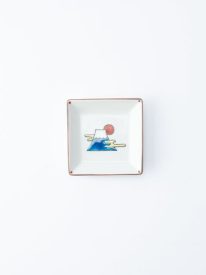 Blue Mt. Fuji Square Sauce Plate
 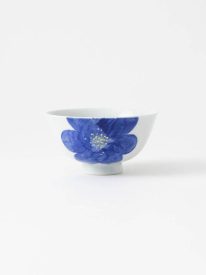 P.S. Blue Japanese Rice Bowl