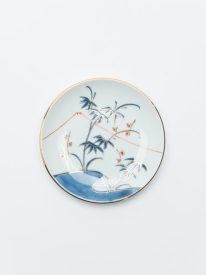
This sauce plate features a refined bamboo motif alongside an iconic depiction of Mount Fuji. In Japanese culture, bamboo is esteemed as an auspicious emblem that signifies longevity, and robust health. The technique displayed in this plate is called somenishiki where the plate is first glazed with white and blue patterns and then is further…
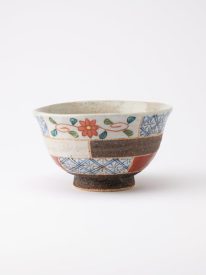
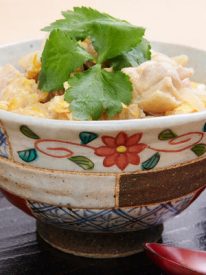
This regular-sized donburi bowl features charming floral and geometric patterns composed in an inventive tile-like design. Adorned with various auspicious patterns, each symbolizing continuity and prosperity, the design carries the hopeful wish for everlasting good fortune. Its depth and straight sides help retain the food’s warmth while adding a touch of style and practicality. Handcrafted…
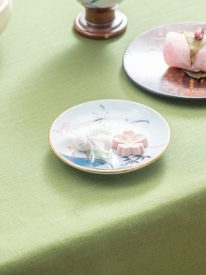
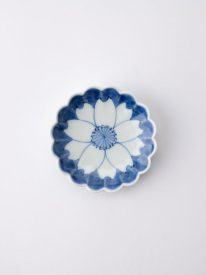
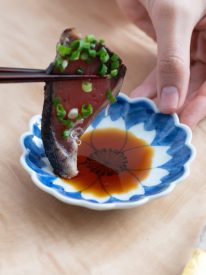
This easy-to-use chrysanthemum-shaped sauce plate features sakura cherry blossoms. Combined with the chrysanthemum shape, it creates an elegant atmosphere. This plate is available in different designs, so you can collect them for a more enjoyable table setting. Perfectly sized as a sauce plate, it is also versatile to serve cheese, nuts, condiments, and other small…
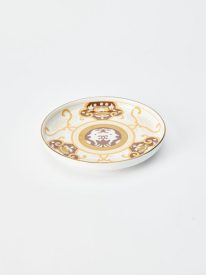
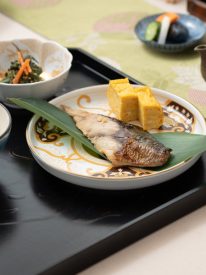
This is a versatile side plate that can be used for individual servings. The design is the traditional old Imari floral pattern and is given a modern remake with a combination of gold and yellow gold. Perfectly sized for appetizers, side dishes or as a bread plate, this stunning plate adds both functionality and style…
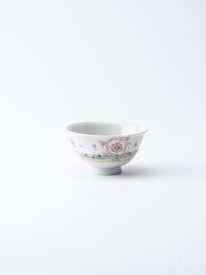
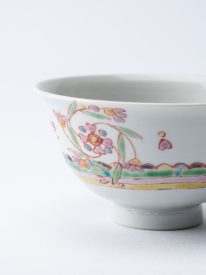
This rice bowl features flower petals delicately painted by artisans of Ginshu Kiln, which is especially known as its romantic and playful pastel colored painting. The painted areas have a slightly raised texture, a characteristic of Kutani ware, which is traditionally hand-painted using Japanese coloring pigments and a brush. With a diameter of 10.3 cm(4.1 in),…
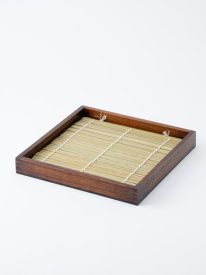
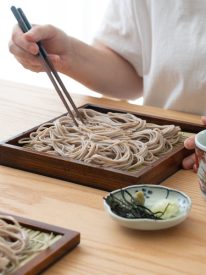
This square tray with a removable bamboo strainer is used for serving cold soba noodles. It comes with a stand to be placed under the bamboo strainer. Made by Yamanaka lacquerware and coated with brown lacquer, it can recreate the ambiance of an authentic soba restaurant. The matte texture of the “Suri-Urushi” (wiped lacquer) finish enhances…
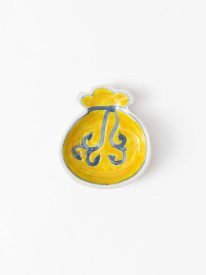
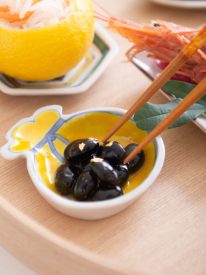
This small plate is shaped like a treasure bag, an auspicious motif symbolizing wealth and good fortune. Often depicted in art and crafts, it represents an endless source of riches and blessings. With its charming form and meaningful design, it adds a touch of tradition and elegance to your table. Perfectly sized as a sauce…
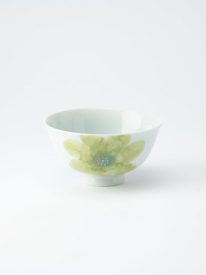
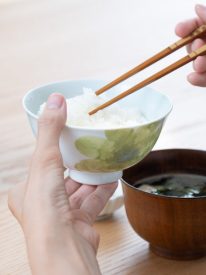
This charming Tobe ware Japanese rice bowl features a beautiful flower in a gentle light blue on the inside and a soft green on the outside. The subtle colors decorate the blooming flowers painted on a white porcelain canvas. Small dots painted in gold are scattered, adding a discreet accent to the overall design. Higashi Kiln employs…
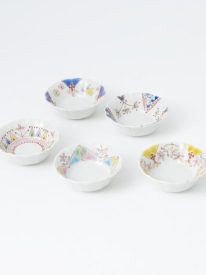
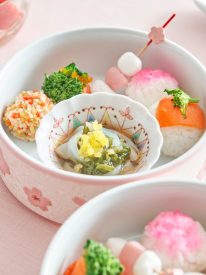
This set of five small kobachi bowls features colorful patterns painted by artisans of Ginshu Kiln, which is especially known as its romantic and playful pastel colored painting. It is suitable for serving side such as sunomono (vinegared food), aemono (seasoned or sauced food), nimono (simmered food) for one person. Furthermore, you may put a…
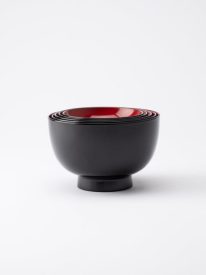
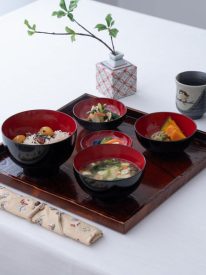
While utilizing Yamanaka lacquerware techniques, this product is made of resin, and is recommended for those who want to enjoy “Oryoki” in a casual manner. The combination of black on the outside and red on the inside is chic and glamorous, and is recommended not only for daily use but also when entertaining guests. In…
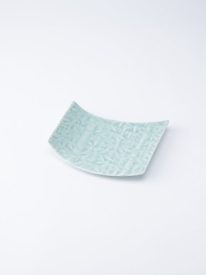
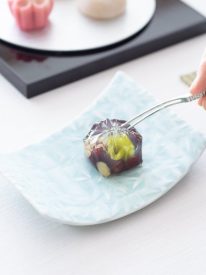
The graceful matte celadon texture of this bamboo-inspired side plate conveys tenderness the moment you touch it. The bamboo motif is intricately engraved, creating a detailed three-dimensional effect that is beautifully enhanced by the subtle gradations of celadon porcelain. The design evokes the serene atmosphere of a bamboo forest, with the plate’s slightly curled edges…
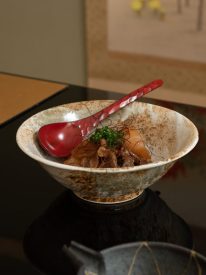
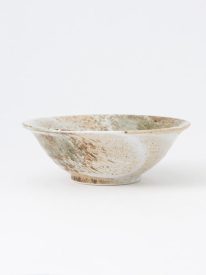
The beautiful white hue of this small ramen bowl is a hallmark of Shino ware. The speckled glaze creates a design that feels both liberating and sophisticated. Shino ware is a type of Mino ware, originally fired in Mino, Gifu Prefecture, during the Azuchi-Momoyama period (1573-1603 CE). While most of the bowl is glazed, offering…

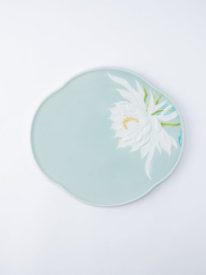 Moist Orchid Cactus Quince-Shaped Main Plate
 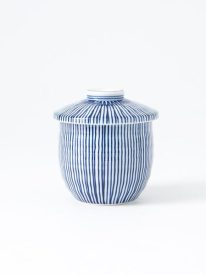 Fukuhou Kiln Tokusa Hasami Chawanmushi Bowl
 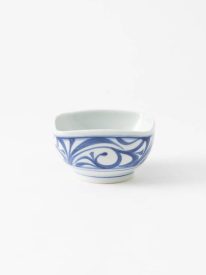 Arabesque Square Kobachi Bowl
 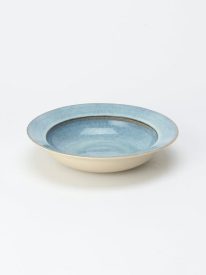 Blue Aohagi Deep Dinner Plate
 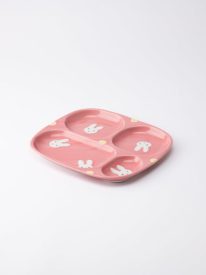 Oshin Kiln Pink Rabbit Hasami Children's Divided Plate
 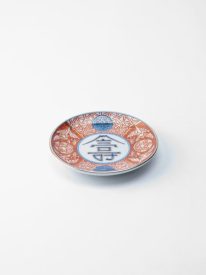 Auspicious Kanji with Mt. Fuji Sauce Plate
 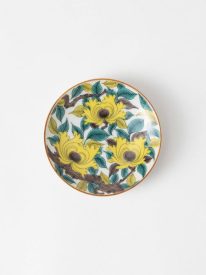 Yellow Peony Sauce Plate
 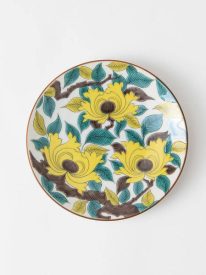 Yellow Peony Side Plate