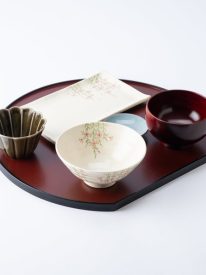
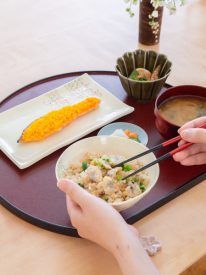
The Quiblas Mono Tranquil Sakura Dinnerware Set features a calm, fresh color palette and is adorned with weeping sakura, cherry blossoms, of Kyoto. These soft blooms impart a distinct and serene elegance of spring to the set, capturing the essence of traditional aesthetics. Enjoy the pleasure of an authentic Japanese meal, beautifully served with a…
This small porcelain plate has auspicious design patterns: “Nami Chidori,” plovers and waves, and “Karakusa,” an arabesque design. Nami Chidori, a combination of a plover and a wave, means “to overcome rough seas together.” Arabesque designs are considered a symbol of longevity and prosperity of offsprings, as arabesque, the vine, extends its stems in all directions….
Featuring the distinctive “nami-yu” glaze, which is made from the ashes of the Kyoto forest, the plate has a natural base color in yellowish cream-white. Founded in 1868 as a Kiyomizu ware wholesaler in Kyoto, Tosen Kiln uses its own blend of soil and glaze, preserving the methods and quality of the works of Nonomura…
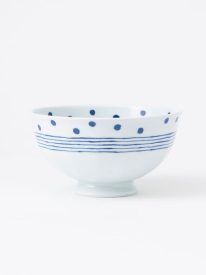
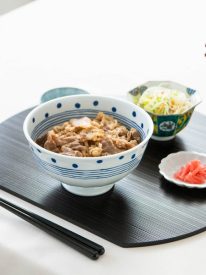
Adorned with blue lines with a hand-drawn feel and charming dots along both the inner and outer rims, this regular-sized donburi bowl has a simple yet modern look. This piece also has a pleasant weight and warmth to the touch that make it a delight to hold in one’s hands. The bowl is perfect for…
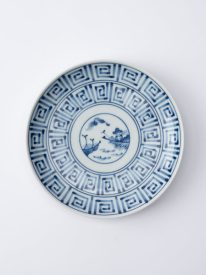
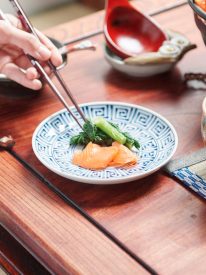
This round side plate is crafted by Takayama, a renowned maker of Hasami porcelain, and dyed with seitan, a kind of indigo. The bold geometric swirl patterns around the rim are complemented by a central design featuring ships and exotic landscapes, evoking the spirit of overseas trade and cultural exchange. In traditional Japanese culture, this…
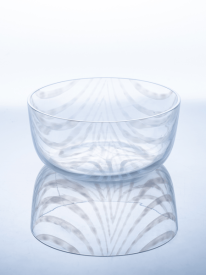
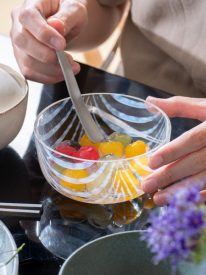
This is a glass bowl with makiage pattern from the Taisho Roman glass series by Hirota Glass, a long-established glass manufacturer in Tokyo. Makiage is a traditional tie-dyeing technique used in kimono making. This method creates intricate patterns that convey an aura of elegance and grace. This pattern is created by the aburidashi “invisible ink” technique,…
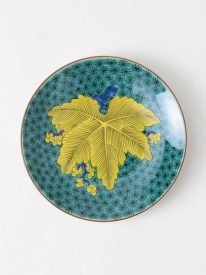
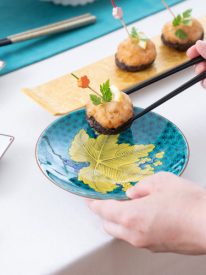
The side plate features a large yellow sycamore leaf in ko-Kutani (old Kutani) style, dating back to mid-17th century, depicting the nature-themed daring design and distinctive bright colors of Kutani ware. With a diameter of 15 cm (5.9 in), it is perfect as an extra plate for the side dishes or desserts. You can use…
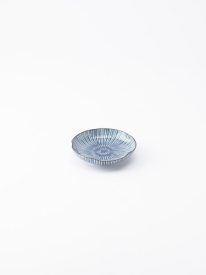
This soy sauce plate features the “Tokusa” line extending from the center and a petal-like design. It is a perfect small plate for serving sauce or snacks like nuts and candies. Or you may put a small portion of food or relishes in, place it on a larger plate or into a bento box for…
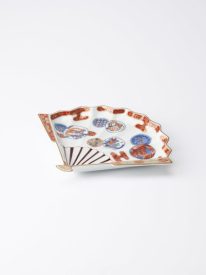
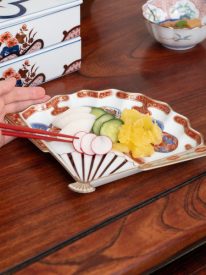
This stunning fan-shaped dinner plate features a modern interpretation of classic old Imari patterns. Modeled after an open folding fan, it has gentle undulations along the surface and black-lined illustrations mimicking wooden frames. A mythical phoenix, with a golden and scarlet tail, is elegantly depicted among traditional Japanese motifs such as chrysanthemums, peonies, and pine…
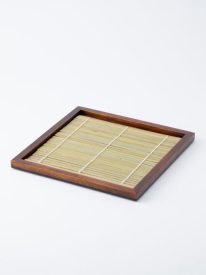
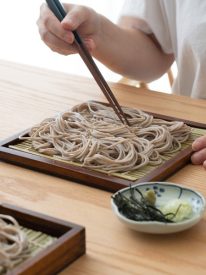
This square tray with a removable bamboo strainer is used for serving cold soba noodles. Made by Yamanaka lacquerware and coated with brown lacquer, it can recreate the ambiance of an authentic soba restaurant. The matte texture of the “Suri-Urushi” (wiped lacquer) finish enhances the beauty of the wood grain.The bamboo strainer is made using…
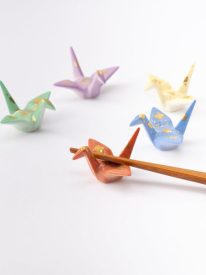
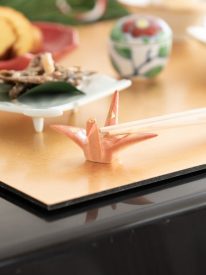
The chopstick rest set is shaped Origami cranes, decorated with a gold leaf. A crane is a symbol of longevity and good fortune in Japan from ancient times. In Japan, chopstick rests are an indispensable piece for table setting. Although it is a small tableware, you can express your personality by choosing a motif that…
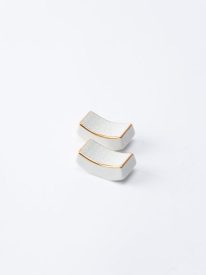
This clean white chopstick rest is made by Syuzando from Kutani ware. The patterns, drawn in pure white on the pale gray base of Kutani ceramics, create delicate contrasts of light and shadow, imparting an elegant and refined impression. The “Shippou” pattern features parallel circles of the same size overlaid one quarter on top of…

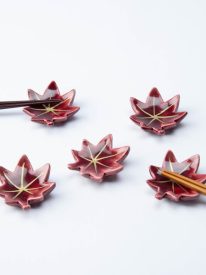 Hozan Kiln Red Autumn Leaves Kyo Ware Chopstick Rest Set
 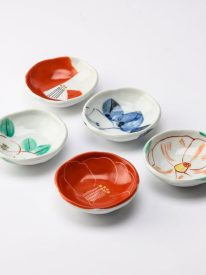 Camellia Sauce Plate Set
 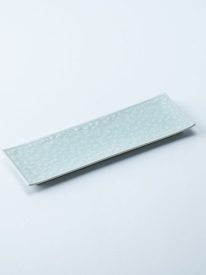 Arabesque Side Plate