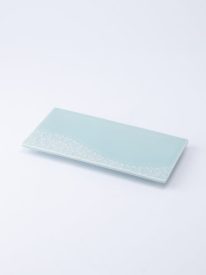
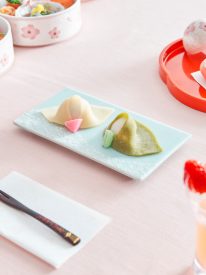
This long rectangular plate is very beautiful with carvings reminiscent of sakura, or cherry blossoms, floating in a river. The graceful matte celadon texture conveys tenderness the moment you touch it. The colors of the food will stand out beautifully, enhancing the dining experience. Perfectly sized for dainty sweets and appetizers, this sleek, flat plate…
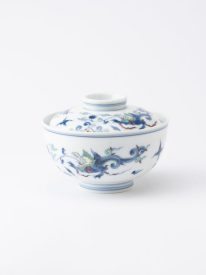
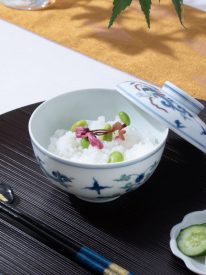
This kobachi small bowl with a lid is adorned with vibrant dragon and arabesque patterns, which stand out beautifully against white porcelain. Both dragons and arabesque motifs are considered auspicious and have been popular designs on tableware since ancient times. The bowl is perfectly sized for serving rice and is also ideal for simmered dishes. The…
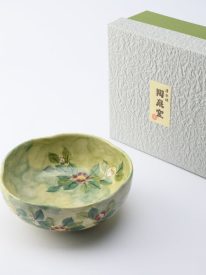
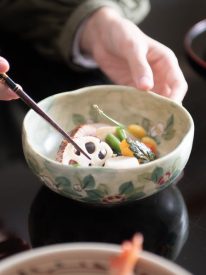
The meticulous camellia design, a masterpiece passionately developed by Taniguchi, graces this bowl from Tosen Kiln. Camellias, symbolic of both elegance and the enduring spirit of Japanese culture, are vividly presented. The leaves, seamlessly blending dark and light green shades, instill a sense of harmony. In contrast, the petals, painted with white and red…
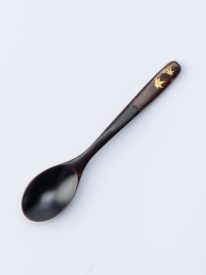
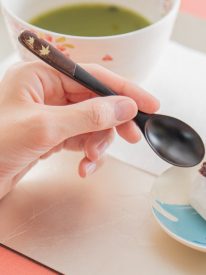
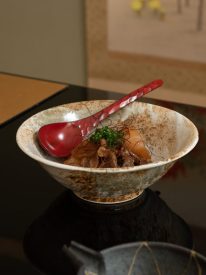
The beautiful black lacquer with red hues peeking through already makes this spoon a work of exceptional craftsmanship. The delicate natural pattern of kabazaiku, or cherry bark work graces the handle and is further decorated in an understated momiji (Japanese maple leaves) motif. The technique used for this spoon is known as tamenuri, which involves a…
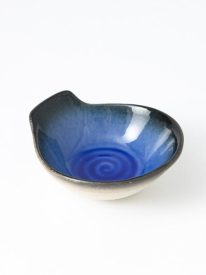
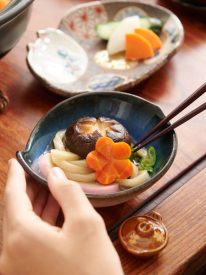
This bowl stands out with its stunning indigo glaze. The exterior has a slightly rough texture, preserving the natural warmth and character of the clay. Created with its unique shape as a tonsui, this bowl is primarily intended as a serving bowl for hot-pot dishes. It also works wonderfully for holding noodle dipping sauces or as…
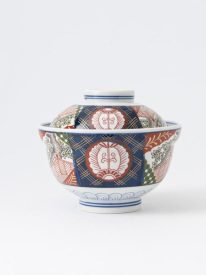
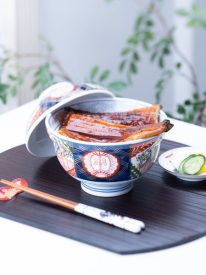
This large-sized Japanese donburi rice bowl features sakura, or cherry blossoms, framed by dark blue, lattice-like patterns, all rendered in the traditional nishiki-e style. Nishiki-e, meaning “brocade picture,” is a multi-colored woodblock print technique that revolutionized ukiyo-e during the Edo period (1603 CE-1868 CE), when most prints were in black and white. The lid helps keep…
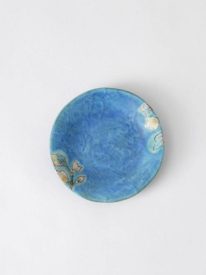
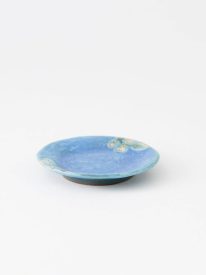
A matte turquoise glaze with a natural gradient flows across the surface, created by expressive, hand-painted brushstrokes. Flowers in delicate colors decorate the rim, with fine kannyu crackles adding to its textural charm. Compact and versatile, this plate is ideal for serving small portions of food, condiments, or sweets. Beyond dining, it also works as…
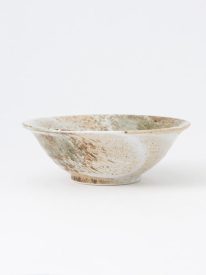
The beautiful white hue of this small ramen bowl is a hallmark of Shino ware. The speckled glaze creates a design that feels both liberating and sophisticated. Shino ware is a type of Mino ware, originally fired in Mino, Gifu Prefecture, during the Azuchi-Momoyama period (1573-1603 CE). While most of the bowl is glazed, offering…
A small side plate in burgundy, perfect for single servings. Although small in size, the old Imari floral patterns are painted with precision which shows the high quality craftsmanship of the Arita Porcelain Lab tableware. Part of the Japan Autumn series, this piece showcases the beauty of Japanese autumn leaves. All colors in this series are…
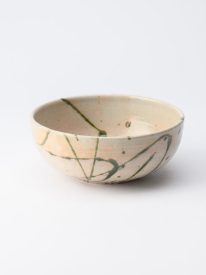
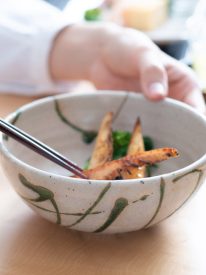
This bowl fascinates with its elegant water plant motif, the designs flowing naturally across the surface. The green glaze and abstract brushstrokes are characteristic of Yashichida Oribe ware. Tsujii Musashi, inspired by nature, infuses his creations with a subtle, rustic charm. The bowl’s refined beauty is further enhanced by gohondedelicate pinkish spots that appear naturally…
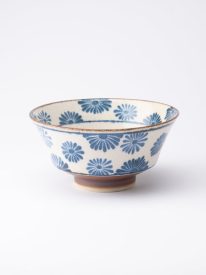
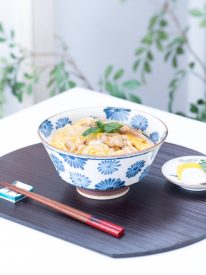
As suggested by its name nanpu, meaning “southern winds,” this bowl features a design that evokes the feeling of a warm breeze. Blue chrysanthemum flowers are scattered throughout the design, giving the design a natural comfort. The slightly warped rim allows for easy stacking with bowls of the same shape, making storage more convenient. This bowl is…
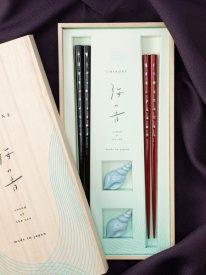
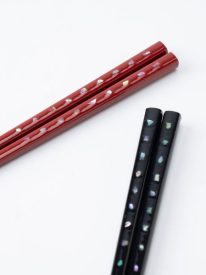
These chopsticks from Matsukan’s Sound of the Sea series are fully coated in lacquer, showcasing the raden technique, where shimmering mother-of-pearl is embedded into the surface. The accompanying chopstick rests are crafted using a seashell-shaped mold originally used to make rakugan, a traditional Japanese confectionery. After an initial ten layers of natural lacquer, shell inlays…

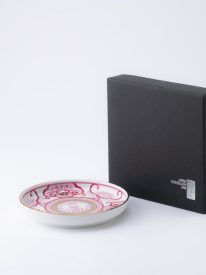
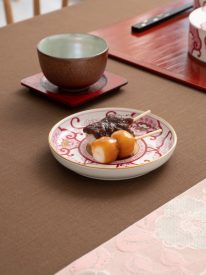
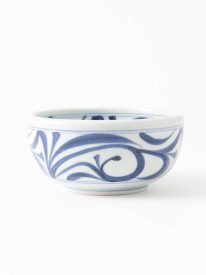 Arabesque Deep Serving Bowl
 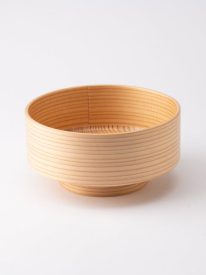 Odate Kougeisha Magewappa Donburi Bowl S