This small porcelain plate has auspicious design patterns: “Nami Chidori,” plovers and waves, and “Karakusa,” an arabesque design. Nami Chidori, a combination of a plover and a wave, means “to overcome rough seas together.” Arabesque designs are considered a symbol of longevity and prosperity of offsprings, as arabesque, the vine, extends its stems in all directions….
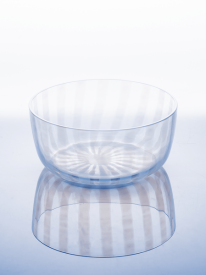
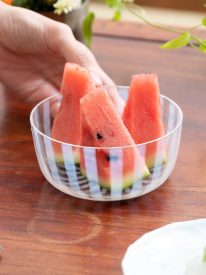
This is a glass bowl with the tokusa “horsetail” pattern from the Taisho Roman glass series by Hirota Glass, a long-established glass manufacturer in Tokyo. The tokusa motif, cherished since the Edo period (1603 CE-1868 CE), symbolizes growth and prosperity. Its straight, upward-reaching lines embody aspirations for success and flourishing, making it a beloved design through…
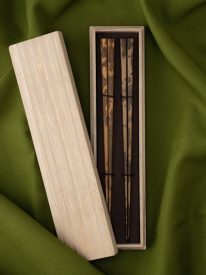
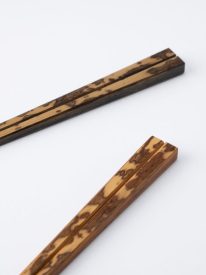
This set of chopsticks features the unique zumen bamboo from Kyoto. Random patterns adorn one side of each chopstick, lending a traditional and elegant appeal. Enjoy their rustic natural charm in two subtle shades of brown. Zumen bamboo refers to dappled or mottled bamboo and is the work of skilled craftsmen, who use specialized techniques….
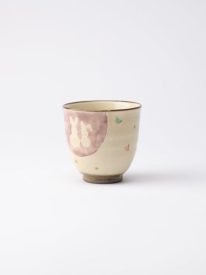
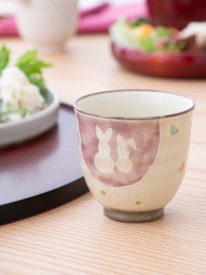
A beautifully handcrafted children’s cup with an authentic Japanese feel. The charm of this cup is in the hand-painted drawings.Two bunnies sitting side-by-side on a soft pink semi-circle with an Arabesque design are hand drawn on each piece. And differing shades of pink can be enjoyed with the watercolor painting style. The bunnies and the…
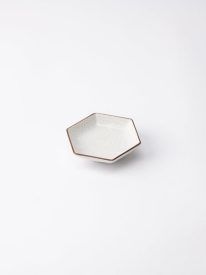
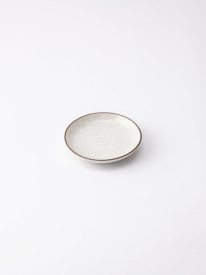
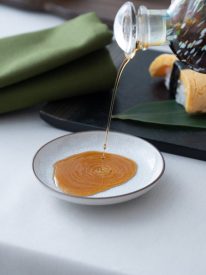
This sauce plate has a mandala pattern in light white. Mandala is a geometric configuration of a symbols. In various spiritual traditions, mandalas may be employed for focusing attention of practitioners and adepts, as a spiritual guidance tool and as an aid to meditation and trance induction. While Kutani Ware is loved for its vibrant colors, the hachi-kutani series features sauce…
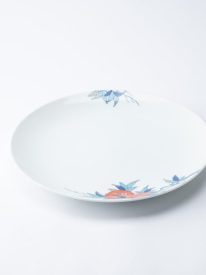
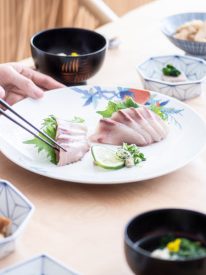
This plate has a beautiful pomegranate design in the iro-Nabeshima (colored Nabeshima) style on stunning white porcelain. The pomegranate pattern is one of the most representative patterns of Nabeshima ware. As bright orange-red flowers bloom in early summer, the pomegranate fruit ripens in autumn, its thick outer skin breaking open to reveal numerous seeds inside….
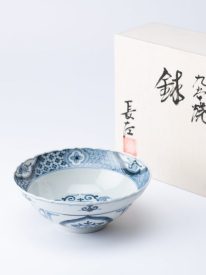
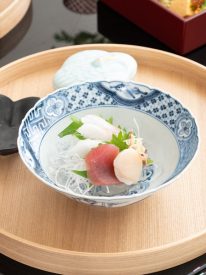
This bowl showcases exquisite sometsuke designs hand-painted by master craftsman Yamamoto Choza. Detailed depictions of ancient treasures are believed to invite good fortune and prosperity. On the bottom of the bowl is the fuyode pattern, named after the Japanese word for cotton rose, with petal-like windows embellished with auspicious motifs. The intricacies of each design…
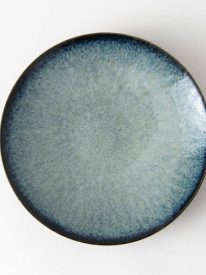
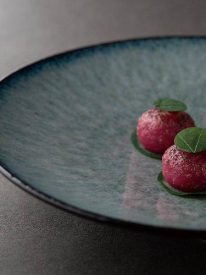
This modern dinner plate features a stunning icy blue gradient that enhances the presentation of any dish. Durable and user-friendly, it’s a popular choice in restaurants worldwide for its balance of functionality and design. Ideal for a range of dishes, from beautifully arranged main courses to shared appetizers, its generous size accommodates meals like grilled…
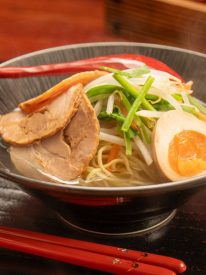
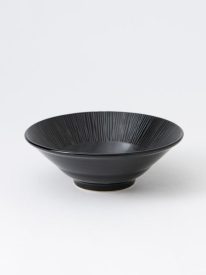
This small-sized Japanese ramen bowl offers an appreciation for the depth of the color black. The inner rim features a chic, textured rendering of the traditional Japanese pattern called tokusa “horsetail.” The simple yet powerful design will leave a lasting impression as part of your table setting. The bowl is perfect for a variety of noodle…
This small plate is shaped like a sumo referee’s fan, which is used to signal the outcome of a match. Historically, it is said that samurai commanders once used this type of fan to issue commands during battle. With its distinctive form and cultural significance, this plate brings a touch of tradition to your table….
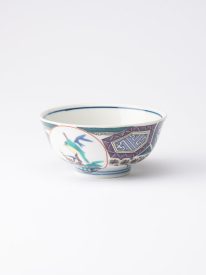
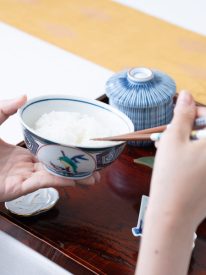
This Japanese rice bowl has a typical design of the Ko-Kutani (old Kutani) style dating back to mid-17th century, depicting the nature-themed motif and traditional patterns and distinctive bright colors of Kutani ware. It is painted with the five colors of red, yellow, green, purple and dark blue, known as “Go-Sai” in Japanese. Kutani ware uses…
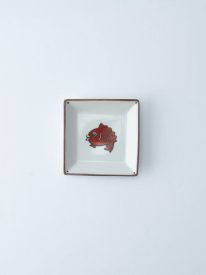
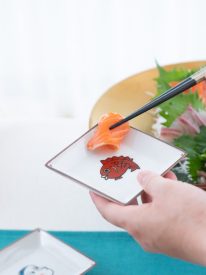
This square sauce plate features an auspicious design of an adorable red sea bream. In Japan, sea bream, or tai, has long been served at celebratory occasions. It holds special cultural significance as its name is part of mede-tai, a word that conveys happiness and good fortune. With its playful charm and gentle red hue,…

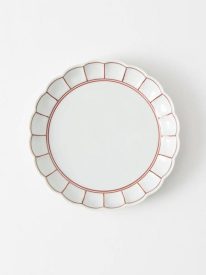 Red Chrysanthemum Side Plate
 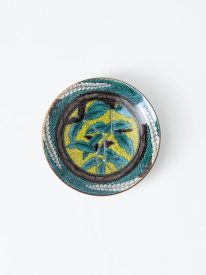 Wisteria Sauce Plate