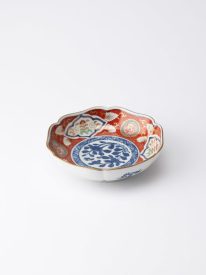
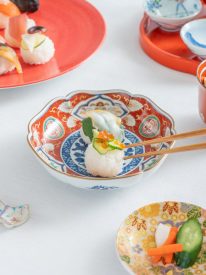
This mokko-shaped small bowl features a modern interpretation of the traditional classic patterns of old Imari. Mokko is the name for a round squarish shape and is considered an auspicious shape which represents family prosperity. “Aka” means red and “dami” is the name for the technique where the artist first outlines the area to be…
This set of two beautiful pairs of chopsticks is decorated with dainty sakura “cherry blossoms” patterns. Made from natural wood and fully coated with layers of lacquer, they have a beautiful, rich luster. When arranged on a table, the chopsticks form a simple lattice pattern with delicate sakura designs. These small, yet beautiful details add…
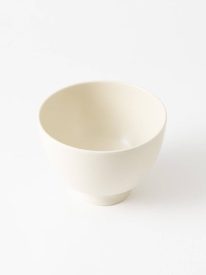
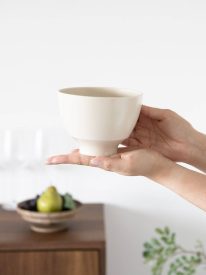
This small-sized donburi bowl exudes sophistication with its elegant form, gentle off-white glaze, and delicate matte texture. It is part of the “Une” series, which blends contemporary aesthetics with the timeless tradition of Kutani ware porcelain. A significant portion of the carefully selected clay for Kutani ware, known as Hanasaka ceramic stone, is discarded during…
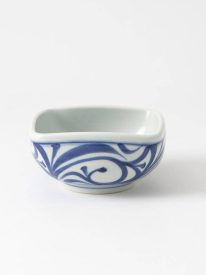
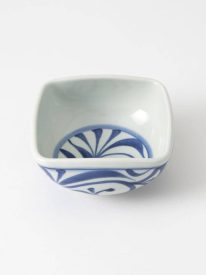
This square medium bowl features a hand-painted arabesque pattern, one of the representative motifs of Tobe ware. The indigo shade adds a modern touch, while the natural motifs convey the warmth of hand-painted craftsmanship. It is ideal for serving various side dishes, such as tangy sunomono and slowly simmered nimono. The shape stands out with…
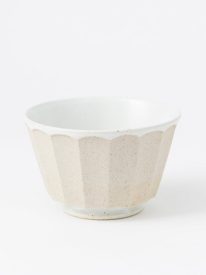
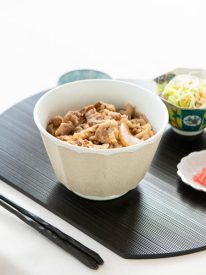
This regular-sized donburi bowl features a smooth, matte white glaze on the outer rim and inner surface, creating a striking contrast with the textured, natural clay on the faceted exterior. This combination of materials offers both a refined tactile experience and a contemporary appeal. Its depth and straight sides help retain the food’s warmth while…
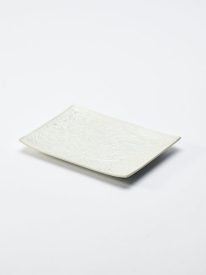
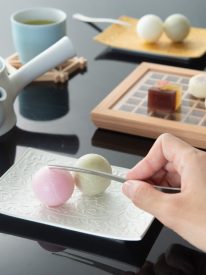
With its delicate, almost lace-like monochromatic elegance, this silver-colored plate is a unique take on a floral pattern from a dyeing technique originally imported to Japan from India. Sarasa, better known in the West as chintz or calico, is presented here in a luxurious and sophisticated style. Sarasa patterns were seen in dyed cotton textiles…
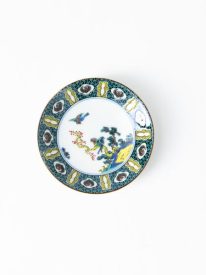
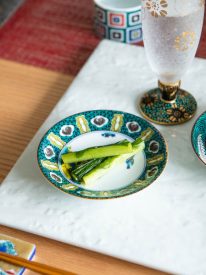
This sauce plate features a pine tree and bird drawn in the ko-Kutani style, one of the most traditional styles of Kutani ware. Perfectly sized as a sauce plate, it’s also versatile for serving cheese, nuts, condiments, and other small bites. For a more elegant presentation, you can serve small portions of food or relishes…
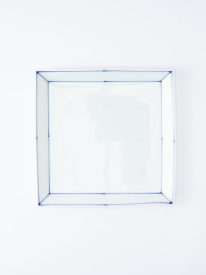
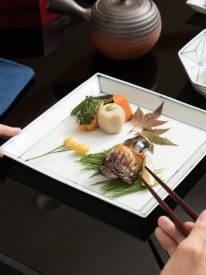
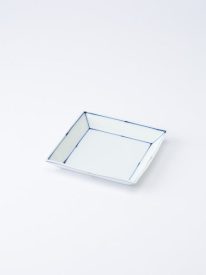
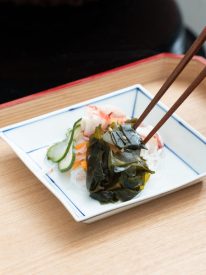
This square plate is perfectly suited for serving main dishes. The lines drawn along the rim accentuate the dish elegantly. Employing a technique of “Sometsuke” (underglaze cobalt blue) painting on a base brilliantly fired to a pure white, each piece is meticulously crafted, embodying the essence of Seto Sometsuke ware. Since the painting is done…
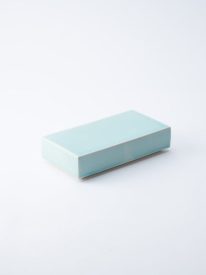
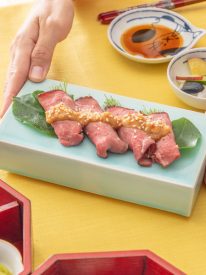
This side plate has a beautiful block-like shape with a cool aqua blue glaze. The height of the dish adds a rhythmic touch to any table arrangement, making for an inviting and sophisticated atmosphere. It is just right for placing appetizers, snacks, and sweets in a stylish manner. Its distinctive design makes for a table setting that…
Enjoy the elegant design of a Japanese maple leaf adorned with the refined beauty of natural blue-green lustered celadon in this stylish sauce plate from Kosen Kiln. With its translucent glaze on the blue-jade hue of celadon, a tranquil atmosphere emanates from its glossy exterior, like the calm surface of a glistening pond. Adorning the surface of…
This square plate is perfectly suited for serving side dishes. The lines drawn along the rim accentuate the dish elegantly. Employing a technique of “Sometsuke” (underglaze cobalt blue) painting on a base brilliantly fired to a pure white, each piece is meticulously crafted, embodying the essence of Seto Sometsuke ware. Since the painting is done…
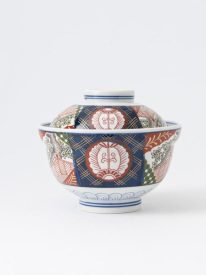
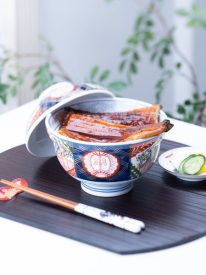
This large-sized Japanese donburi rice bowl features sakura, or cherry blossoms, framed by dark blue, lattice-like patterns, all rendered in the traditional nishiki-e style. Nishiki-e, meaning “brocade picture,” is a multi-colored woodblock print technique that revolutionized ukiyo-e during the Edo period (1603 CE-1868 CE), when most prints were in black and white. The lid helps keep…

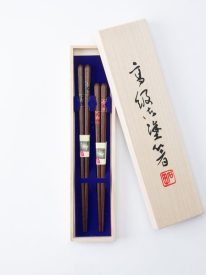
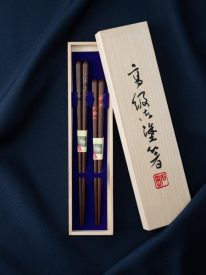
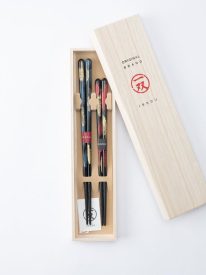 Akebono Chopsticks Pair Set