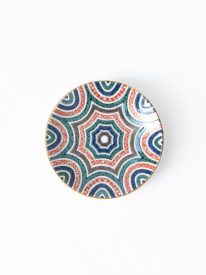
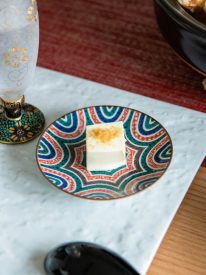
This sauce plate features a geometric pattern in ko-Kutani style, one of the most famous traditional styles of Kutani ware. Kutani ware uses a brush for painting with Japanese coloring paint, as you can see the painted bird is slightly thickened and standing out. Perfectly sized as a sauce plate, it is also versatile to serve…
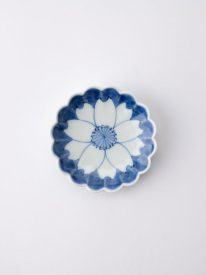
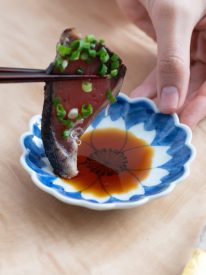
This easy-to-use chrysanthemum-shaped sauce plate features sakura cherry blossoms. Combined with the chrysanthemum shape, it creates an elegant atmosphere. This plate is available in different designs, so you can collect them for a more enjoyable table setting. Perfectly sized as a sauce plate, it is also versatile to serve cheese, nuts, condiments, and other small…
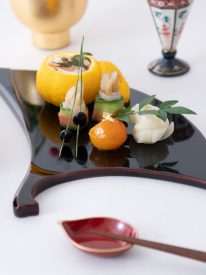
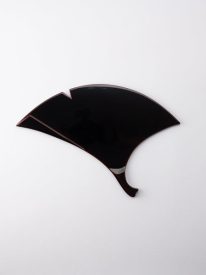
This beautiful glossy plate features a shape of a ginkgo leave that is finished with a lacquered technique called “Tame-nuri.” Tame-nuri is a lacquering technique in which the red color can be seen through the translucent lacquer by applying a coat of translucent black lacquer on top of a middle coat of red lacquer….
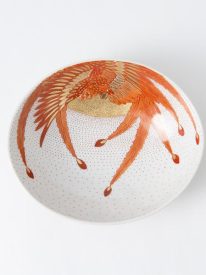
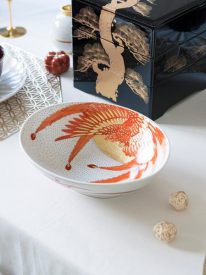
Premium Kutani bowl with a drawing of a graceful phoenix in red and gold on a durable porcelain base. It is a piece made by Fukuda Yoshinori. Detailed figures drawn in red and added golden decorations are characteristic of this Iidaya and Akae style. The phoenix is famous as a symbol of immortality and it…
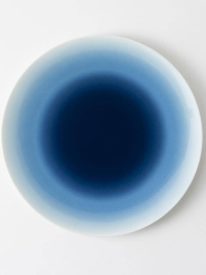
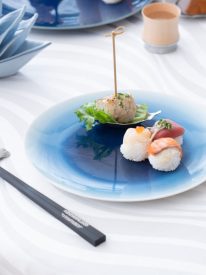
This dinner plate features a stunning blue gradient reminiscent of the tranquil shallows of the sea, bringing a serene and refreshing ambiance to your table setting. Designed for durability and practicality, it is a preferred choice in restaurants across Japan and internationally. Its generous size makes it ideal for serving main dishes, enhancing the presentation…
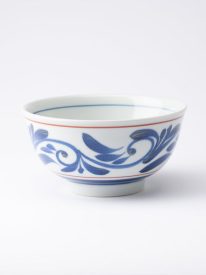
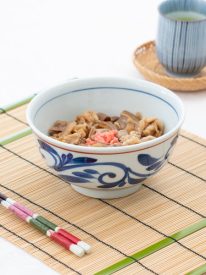
Featuring a hand-painted arabesque pattern, this regular-sized donburi bowl showcases a classic motif of Tobe ware. The horizontal red lines bring a striking touch to the design. It’s perfect for serving noodles such as ramen, udon, or soba. Using this bowl to savor different kinds of noodles will undoubtedly add a touch of traditional charm…
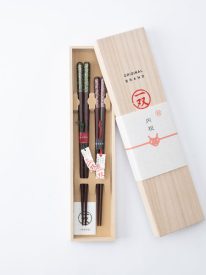
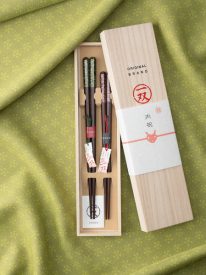
This set, named uchiiwai after the Japanese custom of giving return or thank you gifts, includes two pairs of dark brown-lacquered wood chopsticks with glittering tops. They offer the classy sheen of traditional lacquerware coupled with an eye-catching design. The longer pair measures 22.5 cm (8.8 in) and is accented with green and silver detailing,…
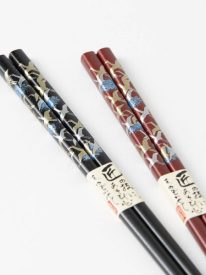
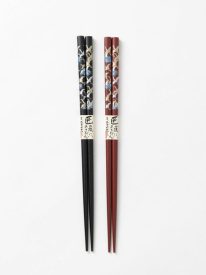
This set of Japanese chopsticks features a flock of cranes gracefully taking flight from the water’s edge in shimmering gold and silver hues. Symbolizing longevity and prosperity, the cranes imbue the chopsticks with tradition and beauty. Their timeless design is perfect for everyday meals or celebratory occasions. Beautifully packaged, this set makes a wonderful gift…
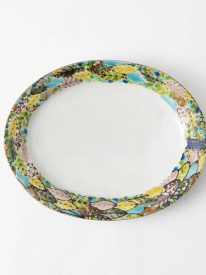
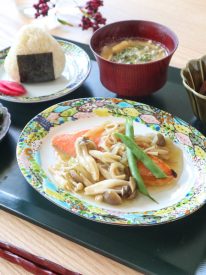
This beautiful Japanese oval plate from the Hamorebi seriesmeaning “sunlight filtering through leaves”is hand-painted by female artisan Sakurai Chie. Each piece is meticulously brushed using traditional Japanese color paints, a distinctive feature of Kutani ware. The painted areas are slightly raised, adding texture and depth to the design. The elegant oval shape offers a distinctive…
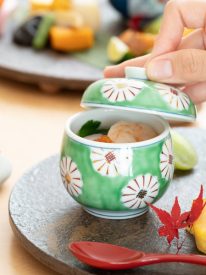
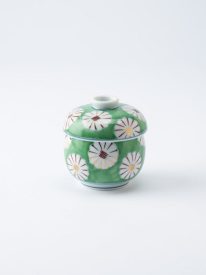
Enjoy delicious chawanmushi, Japanese steamed egg custard, in this beautiful Arita ware chawanmushi bowl. A scattering of golden chrysanthemums is carefully painted first, preserving their delicate beauty. A bright green sweeps in to fill the remaining space as the varied shades showcase exquisite hand-painted artistry. Versatile in size and shape, this piece can also hold…
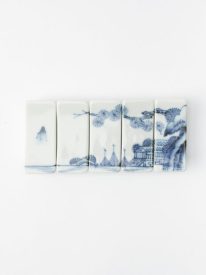
This set of five chopstick rests comes together to form a single, cohesive design. When arranged in order, they reveal rokaku sansui motifa signature Kutani Choemon design depicting a palace and landscape. Traditional craftsmanship is paired with a playful touch, adding a bit of charm and sparking conversation at the table. Perfect for daily use,…
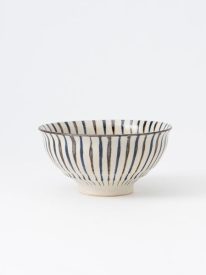
This small-sized donburi bowl features the traditional Japanese tokusa “horsetail” pattern with vertical stripes in dark blue and earthy brown. The rich, rusty hue of the brown, due to its high iron content, gives the bowl a warm, inviting finish. Beloved since the Edo period (1603-1868 CE), this pattern of straight vertical lines is inspired by…


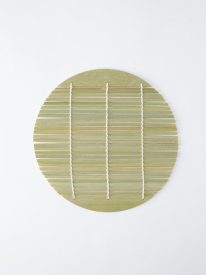 Miyabi Urushi Round Japanese Soba Bamboo Strainer