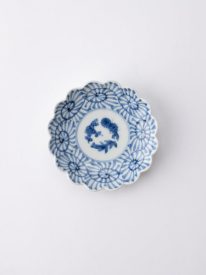
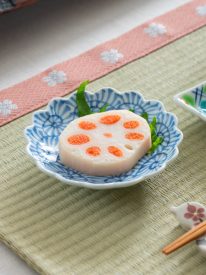
This easy-to-use chrysanthemum-shaped sauce plate showcases a design called an octopus arabesque pattern among arabesque patterns. The name “octopus arabesque” comes from the fact that the shape of the spiraling vine with leaves on the outside resembles the octopus’s legs. It is one of the classic patterns and is found on many Japanese tableware. The plates…
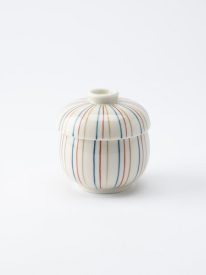
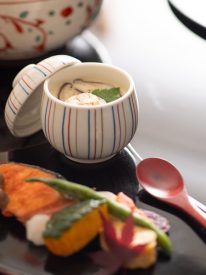
Enjoy delicious chawanmushi, Japanese steamed egg custard, in this beautiful Arita ware chawanmushi bowl. This Chawanmushi bowl is painted in the “Tokusa (Horsetail)” pattern which is a classic motif that has been beloved since the Edo period (1603 CE – 1867 CE). Its straight-growing appearance symbolizes wishes for growth and prosperity. And the three subdued colors…
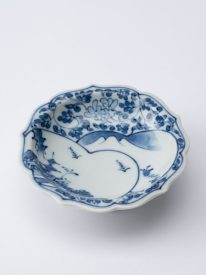
This sauce plate is crafted by Takayama, renowned for Hasami porcelain. Its surface features intricately detailed scenes of Japanese landscapesrolling mountains, winding rivers, boats, and templesneatly arranged within fan-shaped frames, all set against a background of abundant flowers. The result is reminiscent of a scroll painting, allowing you to appreciate its delicate and refined atmosphere. …
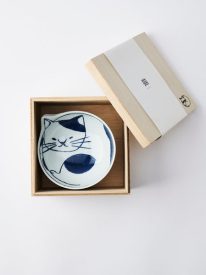
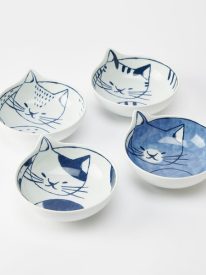
A set of 4 Japanese bowls of lovely cats drawn with a delicate touch. They have a unique shape with slightly pointed up ears of a cat. Each cat’s fur is a different color, and the curled up pose is adorable. It can be used for serving side dishes and desserts. Whether for everyday use or…
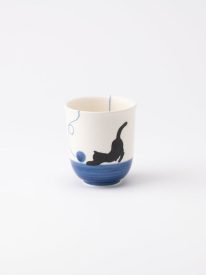
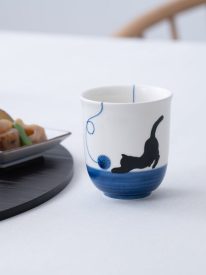
This easy-to-use Yunomi Japanese teacup features a cat playing with blue yarn on a smooth porcelain which is typical of Hasami Ware. The 160ml (5.4oz) is a little small, but it is the perfect size for drinking up a cup of green tea before it gets cold. It is light and easy to hold, so…
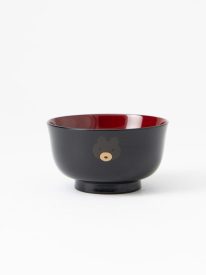
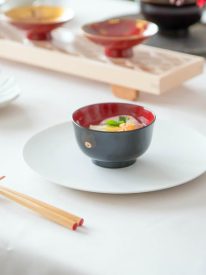
This charming soup bowl is sized for children to hold with ease, adding warmth and playfulness to mealtime. An artisan has delicately hand-painted an adorable bear motif, showcasing fine craftsmanship in every detail. Hollowed from domestic wood and finished with a smooth lacquer, it has a slightly thicker design to prevent heat from transferring to…
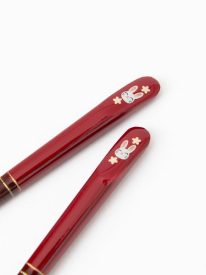
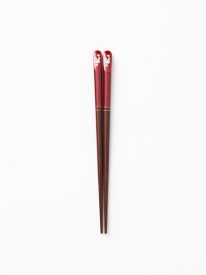
These are children’s chopsticks made of natural wood and lacquer, featuring gold maki-e, a traditional technique. The upper part of the chopsticks is cut diagonally and decorated with a cute rabbit and flower pattern. They are suitable for children in the upper grades of elementary school. The tips of the chopsticks are square to make them…
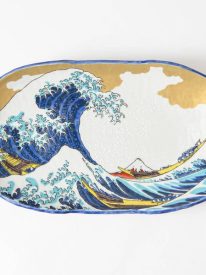
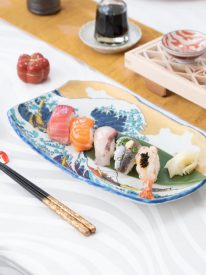
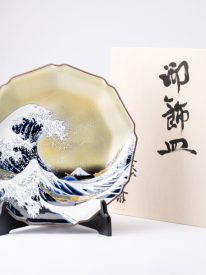
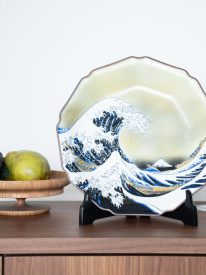
This beautiful platter features the Japanese artist Katsushika Hokusai’s ukiyo-e The Great Wave, which depicts surging waves and three boats, and silently standing Mount Fuji in the distant background. Throughout his life, Hokusai depicted waves as the main subject of his artwork along with Mount Fuji. Hokusai’s expression of the ever-changing movement of water captures…
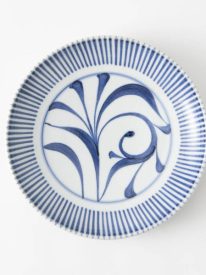
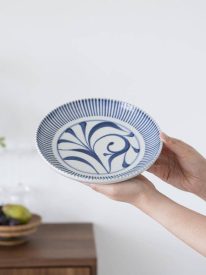
This round dinner plate features an arabesque pattern, a signature motif of Baizan Kiln, accented by a tokusa striped edge that frames the design with elegance. The hand-painted nature motifs add a warm, personal touch, showcasing the artisan’s skill. Perfectly sized for serving salads and main dishes, its traditional, refreshing blue pattern and smooth porcelain…
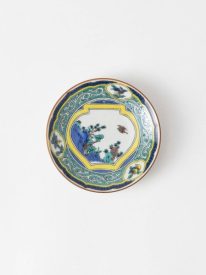
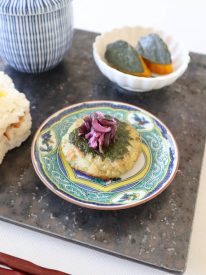
This sauce plate features a flying bird in mountains, using an art style of ko-Kutani. Kutani ware uses a brush for painting with Japanese coloring paint, as you can see the painted part is slightly thickened. The size is perfect as a sauce plate. Also, you can put a small portion of food or relishes in,…
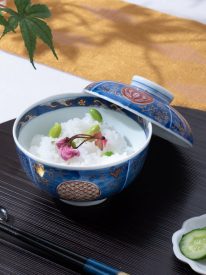
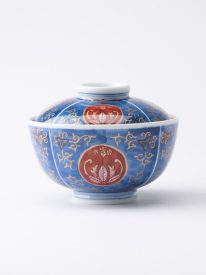
This kobachi small bowl is decorated with hand-painted shades of blue, featuring gold arabesque patterns and round traditional motifs in red and green. The same design is painted on the interior top surface. Sized perfectly for serving rice, the bowl is also suitable for simmered dishes. The lid helps retain warmth, and its traditional, elegant design…
The large plate features the Japanese artist Katsushika Hokusai’s ukiyo-e painting The Great Wave, which depicts surging waves and three boats, and silently standing Mount Fuji in the distant background under the golden sky. Throughout his life, Hokusai painted waves as the main subject of his paintings along with Mount Fuji. Hokusai’s expression of the…

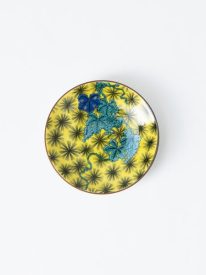 Grape Sauce Plate
 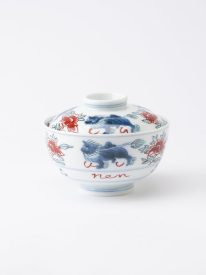 Nishiki Lion Kobachi Small Bowl With Lid
 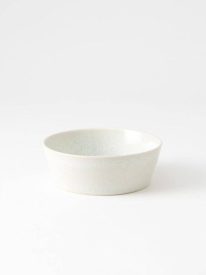 Sahara Medium Bowl
 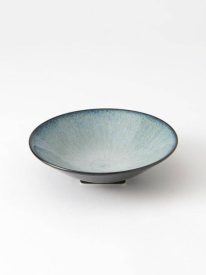 Icy Blue Deep Side Plate
 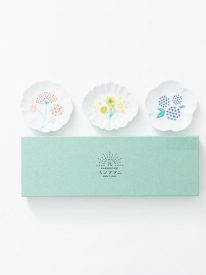 Flower Sauce Plate Set