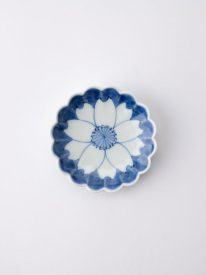
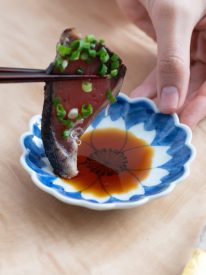
This easy-to-use chrysanthemum-shaped sauce plate features sakura cherry blossoms. Combined with the chrysanthemum shape, it creates an elegant atmosphere. This plate is available in different designs, so you can collect them for a more enjoyable table setting. Perfectly sized as a sauce plate, it is also versatile to serve cheese, nuts, condiments, and other small…
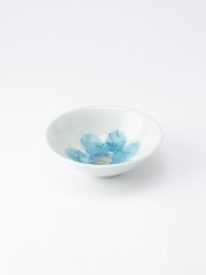
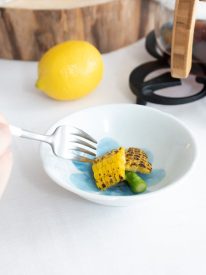
This charming Tobe ware kobachi bowl features a beautiful flower in gentle light blue color. The subtle color decorates the blooming flower painted on a white porcelain canvas. Small dots painted in gold are scattered, adding a discreet accent to the overall design. The detailed design of the rim adds to the floral motif of this kobachi…
This sauce plate features swirling auspicious motifs, alongside an iconic depiction of Mount Fuji. This elegant design merges Japanese cultural heritage with refined artistry, offering a unique blend of tradition and contemporary flair. This plate features an 8 cm (3.1 in) flat center framed by a sharply contoured 1 cm rim and is ideal for sauces,…
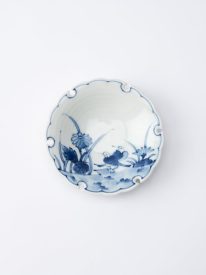
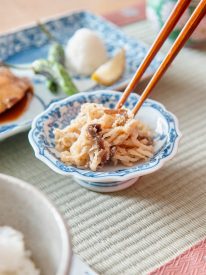
This elegant sauce plate is crafted by Takayama, renowned for Hasami porcelain. In the timeless blue and white of sometsuke, it features a classic pattern of kacho-sokaflowers, birds, and grass. The rim is delightfully formed into a snowflake, the delicate ripples and cut-outs representing the snow’s precious crystals. The gentle conical slope to the base…
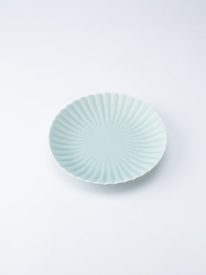
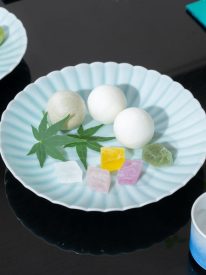
The graceful matte celadon texture of this chrysanthemum-shaped main plate conveys tenderness the moment you touch it. The chrysanthemum petals are intricately engraved with varying depths, creating a harmonious interplay of detailed patterns beautifully enhanced by the exquisite shading of the celadon porcelain. Perfect for serving main courses in a Japanese meal or desserts, this…
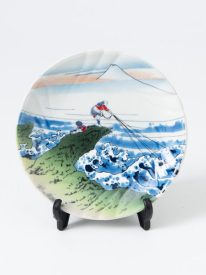
The plate depicts Hokusai’s famous Ukiyoe work, “Koshu Kaji Kazawa“. It shows the skill of his geometrical composition, such as the fact that a fisherman who bends his body in a dogleg shape and draws a net and Mt. Fuji have similar figures. With the combination of Kutani ware with the masterpiece of the genius…
This sauce plate features a refined pine, bamboo, and plum motif alongside an iconic depiction of Mount Fuji. In Japanese culture, pine, bamboo, and plum are regarded as auspicious symbols that herald both good fortune and longevity The technique displayed in this plate is called somenishiki where the plate is first glazed with white and…
This sauce plate is made by Ri Sanpei (Yi Sam-pyeong) Kiln, a brand by the descendant of Yi Sam-Pyeong, the discoverer of white porcelain ore for Arita ware. It is a simple and suitable piece for any dish, with a lovely small painting of plum blossoms. The thick and round edge gives a soft and welcoming atmosphere….
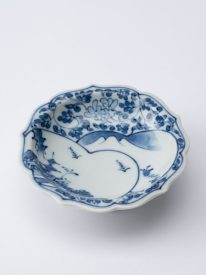
This sauce plate is crafted by Takayama, renowned for Hasami porcelain. Its surface features intricately detailed scenes of Japanese landscapesrolling mountains, winding rivers, boats, and templesneatly arranged within fan-shaped frames, all set against a background of abundant flowers. The result is reminiscent of a scroll painting, allowing you to appreciate its delicate and refined atmosphere. …
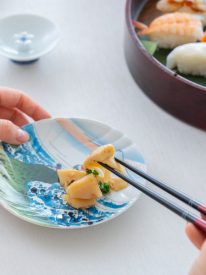
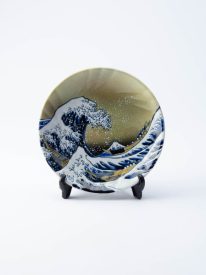
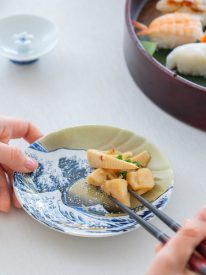
The plate features a painting of Hokusai’s “The Great Wave off Kanagawa”. Throughout his life, Hokusai painted waves as the main subject of his paintings along with Mount Fuji. Hokusai’s expression of the ever-changing movement of water captures the hearts of those who see it, even in modern times. Each piece is handcrafted by an…
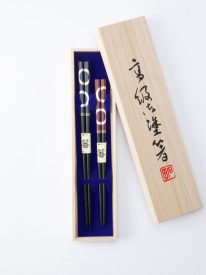
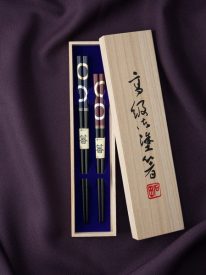
This set of stylish chopsticks features gold and silver circles on the handles, with a sleek black finish on the lower half. The circular designs and matte finish bring a modern touch to the traditional red and blue chopsticks, making them perfect for a couple. These chopsticks offer a smooth, comfortable grip with subtly textured…
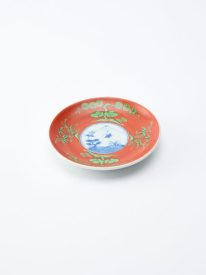
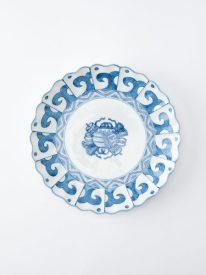
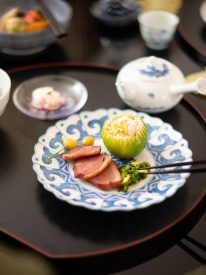
This side plate is a magnificent example of the artistry found in Mikawachi ware, featuring hand-painted designs in blue on fine, durable porcelain. The rim of the plate is adorned with the geometric patterns of shonzui-de waves, a style influenced by the porcelain patterns originally produced in Jingdezhen kilns during the late Ming Dynasty. At…


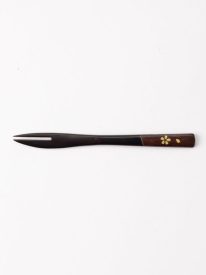 Yatsuyanagi Sakura Akita Cherry Bark Work Lacquered Fork
 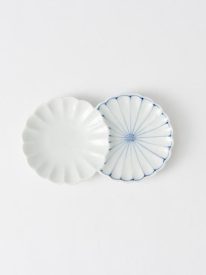 Two Chrysanthemum Radiate Sauce Plate