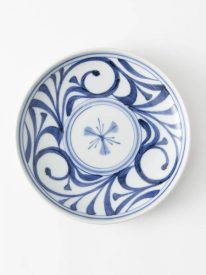
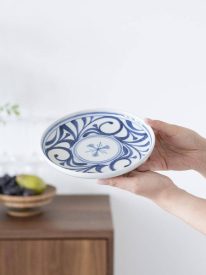
This round plate features an arabesque pattern, one of the representative motifs of Tobe ware. The shade of indigo gives this piece a modern elegance. You can feel the warmth of hand-painting from the patterns using nature motifs. With an ideal size for appetizers, small salads, bread, and desserts, this plate offers durability for long-term…
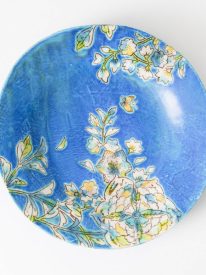
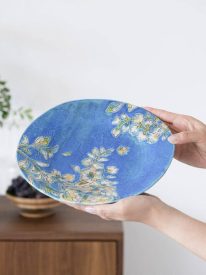
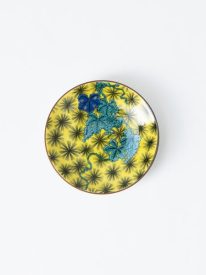
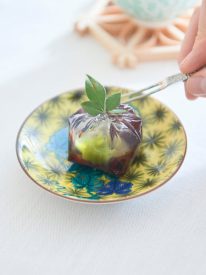
A rich turquoise glaze with a natural gradient flows across the surface, created by expressive, hand-painted brushstrokes. Delicate flowers in soft shades of yellow, blue, and white spread across the plate. The intricate pattern extends beyond the rim, while fine kannyu crackles enhance the textural richness. The generous size and slightly curved form make this…
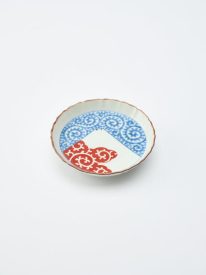
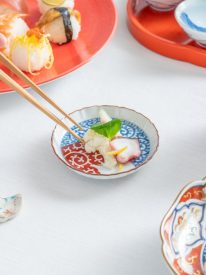
This sauce plate features swirling karakusa “arabesque” motifs that signify growth and longevity, alongside an iconic depiction of Mount Fuji. This plate features an 8 cm (3.1 in) flat center framed by a sharply contoured 1 cm rim. It showcases the somenishiki technique, where the plate is first glazed with intricate blue and white patterns before…
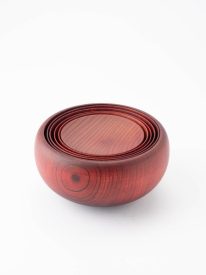
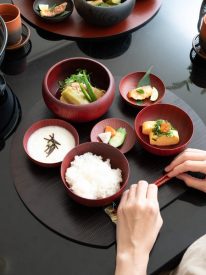
Oryoki is a functional set of bowls inspired by Zen Buddhist principles, designed to minimize waste with a functional, minimalist style that suits modern tables. The set stacks perfectly, with smaller bowls nesting neatly inside the largest, ensuring easy storage and portability. This compact design allows even a six-layer set to be stored effortlessly, making…
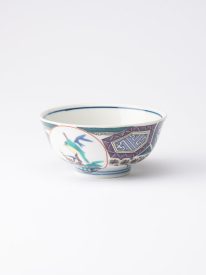
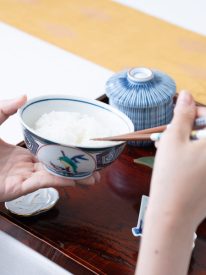
This Japanese rice bowl has a typical design of the Ko-Kutani (old Kutani) style dating back to mid-17th century, depicting the nature-themed motif and traditional patterns and distinctive bright colors of Kutani ware. It is painted with the five colors of red, yellow, green, purple and dark blue, known as “Go-Sai” in Japanese. Kutani ware uses…
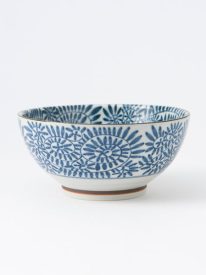
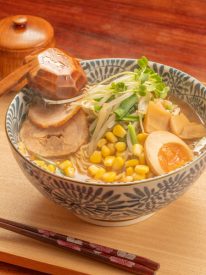
A multitude of leafy curlicues creates a stunning, deep indigo blue arabesque motif on this Japanese bowl. The design of simplified leaves over spiraling vines fills not only the outside, but also the inside the bowl, for a playful ornamental effect. Due to their natural tendency to keep growing, vines are considered to be a…
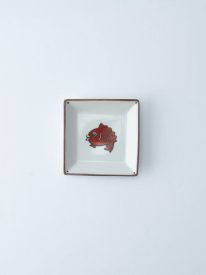
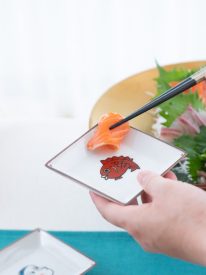
This square sauce plate features an auspicious design of an adorable red sea bream. In Japan, sea bream, or tai, has long been served at celebratory occasions. It holds special cultural significance as its name is part of mede-tai, a word that conveys happiness and good fortune. With its playful charm and gentle red hue,…
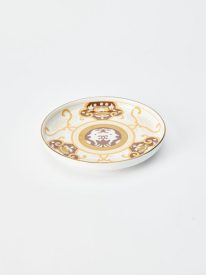
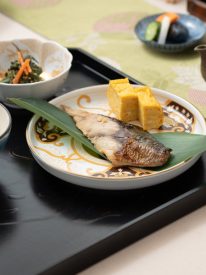
This is a versatile side plate that can be used for individual servings. The design is the traditional old Imari floral pattern and is given a modern remake with a combination of gold and yellow gold. Perfectly sized for appetizers, side dishes or as a bread plate, this stunning plate adds both functionality and style…
The Japanese plate features a grape and vines in Ko-Kutani (old Kutani) style, dating back to mid-17th century, depicting the nature-themed daring design and distinctive bright colors of Kutani ware. Perfect size as a sauce plate. It is also versatile to serve cheese, nuts, condiments, and other small food. Or you can put a small…
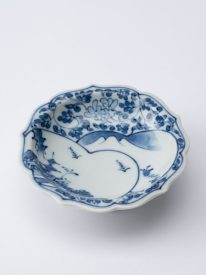
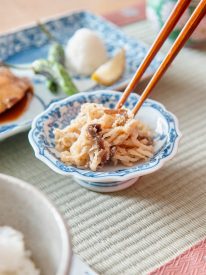
This sauce plate is crafted by Takayama, renowned for Hasami porcelain. Its surface features intricately detailed scenes of Japanese landscapesrolling mountains, winding rivers, boats, and templesneatly arranged within fan-shaped frames, all set against a background of abundant flowers. The result is reminiscent of a scroll painting, allowing you to appreciate its delicate and refined atmosphere. …
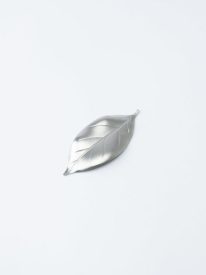
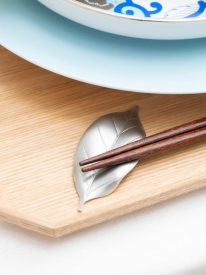
This is a stainless steel chopstick rest in the shape of a camellia leaf in silver. It is made in Tsubame Sanjo, which accounts for 90 percent of domestic production of metal tableware.It expresses the thickness, undulation, and curves of a camellia leaf, and is designed by Kaichiro Yamada, KAICHI DESIGN, which has won awards…
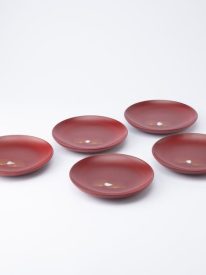
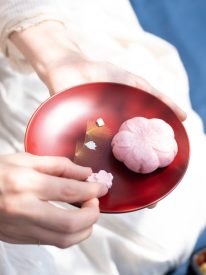
These Echizen Lacquerware side plates are exquisite items combining the refined matte shine of red lacquer with the detailed gold designs made with “Chinkin” done by the second generation Ritsuzan Tomita, a renowned Chinkin craftsman. The smooth and even coat of the deep red lacquer is painted using a technique called “Negoro,”a method of…

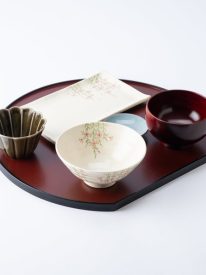 Quiblas Mono Tranquil Sakura Dinnerware Set