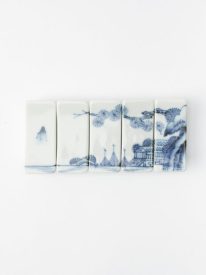
This set of five chopstick rests comes together to form a single, cohesive design. When arranged in order, they reveal rokaku sansui motifa signature Kutani Choemon design depicting a palace and landscape. Traditional craftsmanship is paired with a playful touch, adding a bit of charm and sparking conversation at the table. Perfect for daily use,…
This small porcelain plate has auspicious design patterns: “Nami Chidori,” plovers and waves, and “Karakusa,” an arabesque design. Nami Chidori, a combination of a plover and a wave, means “to overcome rough seas together.” Arabesque designs are considered a symbol of longevity and prosperity of offsprings, as arabesque, the vine, extends its stems in all directions….
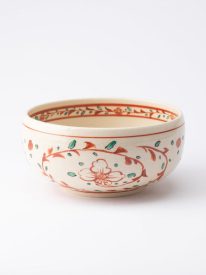
This large bowl is decorated with a hand-painted arabesque pattern on the rustic texture of stoneware and feels warm and inviting. Its practical design makes it easy to use, combining functionality with charm. The vibrant red hue of the design, which extend to the interior, beautifully frame your food to enhance its presentation like a…
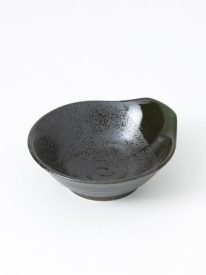
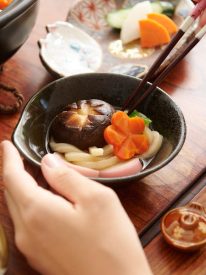
This tonsui bowl features a chic black base with dark green glaze accents, adding a touch of elegance. Its dark color beautifully enhances the presentation by highlighting the vibrant hues of the food. Primarily used as a serving bowl for hot-pot dishes, it is also versatile enough for holding noodle dipping sauces or serving as…
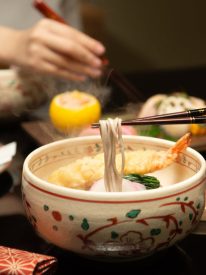
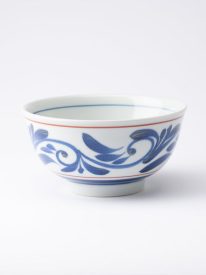
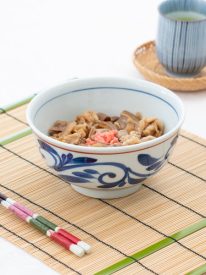
Featuring a hand-painted arabesque pattern, this regular-sized donburi bowl showcases a classic motif of Tobe ware. The horizontal red lines bring a striking touch to the design. It’s perfect for serving noodles such as ramen, udon, or soba. Using this bowl to savor different kinds of noodles will undoubtedly add a touch of traditional charm…
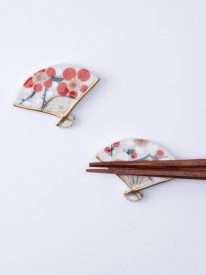
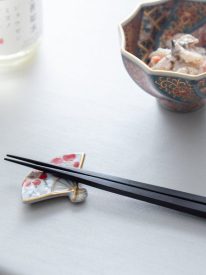
Bring sophistication to your dining setup with these fan-shaped chopstick rests. Crafted in the classic Kyo ware style, the pattern of red and white plum blossoms is given a hand-painted finish that has been elevated by a luxurious golden sheen. Make every meal special with this stylish addition to your table! With its smooth surface, ceramic…
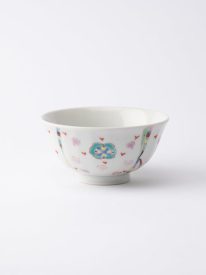
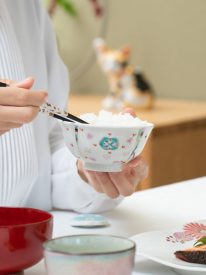
This rice bowl features flower petals delicately painted by artisans of Ginshu Kiln, which is especially known as its romantic and playful pastel colored painting. The painted areas have a slightly raised texture, a characteristic of Kutani ware, which is traditionally hand-painted using Japanese coloring pigments and a brush. With a diameter of 11 cm…
The Quiblas Mono Auburn Maple Dinnerware Set blends the refined artistry of Arita ware with the timeless appeal of Japanese lacquerware. Its rich red tones capture the essence of autumn, featuring pieces decorated with maple leaf designs and complemented by plates with soft water patterns. The set evokes a serene scene of maple leaves floating…
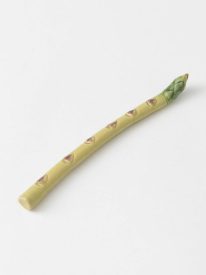
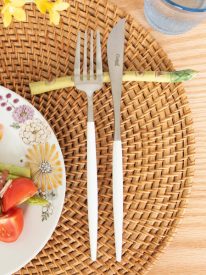
This chopstick rest is shaped like a fresh asparagus stalk. Its elongated design, true to the real vegetable, makes it perfect for holding not only chopsticks but also spoons, forks, and knives. In Japan, chopstick rests are an essential part of table settings. Though small, they offer a way to express personality and seasonal charm,…
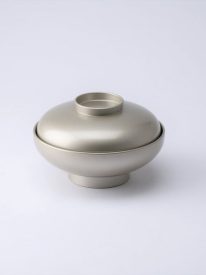
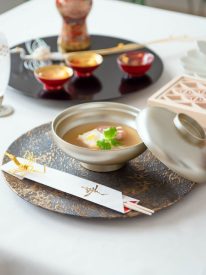
This is a large soup bowl with a lid. The natural luster and soft silver color are unique to lacquer and have a very elegant atmosphere. Bowls with lids are less likely to get cold and look beautiful, making them ideal for special events such as New Year’s, or when entertaining guests. If you are…
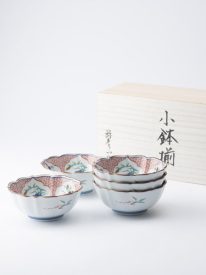
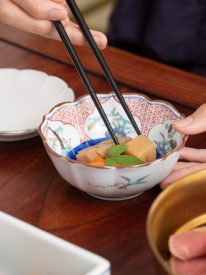
This set of five elegant kobachi small bowls are ideal for daily use and go well with any dishes such as boiled vegetables and simmered dishes. The rim of the bowls reminds us of flower petals. The shape of the bowl has been handed down from generation to generation in the Yazaemon Kiln. Items with distinctive…
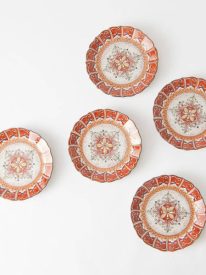
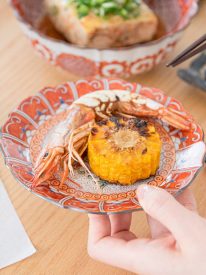
This Japanese plate set serves as a versatile option for individual dishes, adding elegance to any meal. Placing matching plates on the table creates a cohesive and refined Japanese dining experience. Characterized by intricate red designs, delicate rim patterns, and subtle gold accents, this style showcases exceptional craftsmanship. The detailed artwork in the Iidaya/Akae tradition…

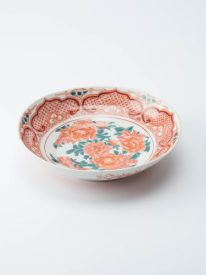 Akae Peony Kutani Serving Bowl