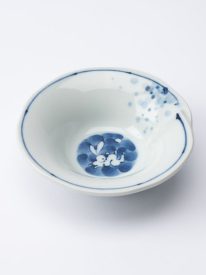
This is an indigo-dyed moon and rabbit kobachi small bowl crafted by Takayama, a renowned maker of Hasami porcelain. The inside of the bowl features a charming illustration of a rabbit playfully leaping beneath the moon, delicately painted in soft indigo tones. In Japanese culture, the rabbit is a symbol of fertility, longevity, and prosperity, making…
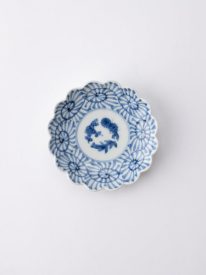
This easy-to-use chrysanthemum-shaped sauce plate showcases a design called an octopus arabesque pattern among arabesque patterns. The name “octopus arabesque” comes from the fact that the shape of the spiraling vine with leaves on the outside resembles the octopus’s legs. It is one of the classic patterns and is found on many Japanese tableware. The plates…
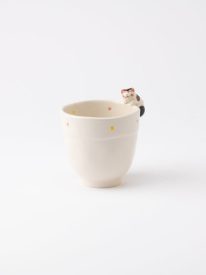
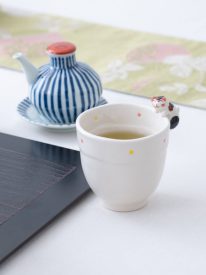
Children will smile back at the cute kitty cat on the rim when they drink out of this adorable cup from Kikusho Kiln. Looking from the side, you can see a calico cat with a big smile hanging from the edge of the cup. The rim of the cup is slightly thicker and is decorated…
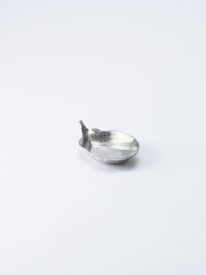
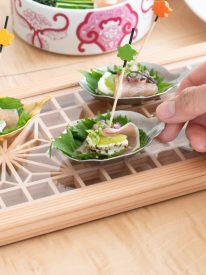
This silver amuse bouche spoon rests in the shape of a delicate persimmon leaf. It has a depth of 1.5cm(0.5in)perfect for carrying food without worries of spillage. The tapered base of the leaf is easy to hold and serves as a handle for the spoon. The veins of a persimmon leaf are recreated faithfully, a…
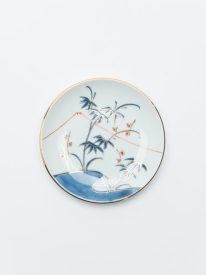
This sauce plate features a refined bamboo motif alongside an iconic depiction of Mount Fuji. In Japanese culture, bamboo is esteemed as an auspicious emblem that signifies longevity, and robust health. The technique displayed in this plate is called somenishiki where the plate is first glazed with white and blue patterns and then is further…
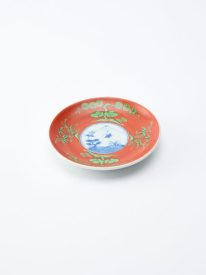
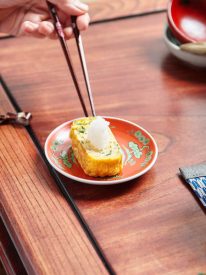
This small porcelain plate has auspicious design patterns: “Nami Chidori,” plovers and waves, and “Karakusa,” an arabesque design. Nami Chidori, a combination of a plover and a wave, means “to overcome rough seas together.” Arabesque designs are considered a symbol of longevity and prosperity of offsprings, as arabesque, the vine, extends its stems in all directions….
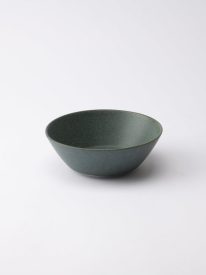
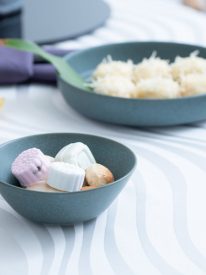
This bowl from the Jade series features a moody green color, reminiscent of a deep forest. Instead of shiny, bright gems, the design is chic and modern, featuring subdued tones and matte textures like Jade gemstones. The deep green tones go well with warm-colored foods such as red, yellow, and orange. Even a few bright colors,…
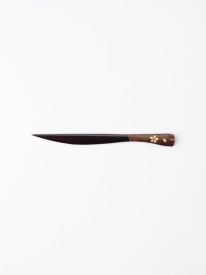
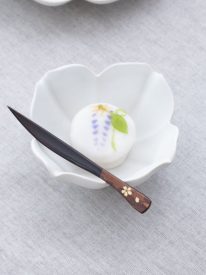
A chic lacquered Wagasi knife by Yatsuyanagi. The handle is made of wild cherry bark work and painted with a golden cherry blossom motif. Although small, the combination of different traditional techniques gives it a sophisticated appearance. The 12.5cm(4.9in) size is especially suitable as a Wagashi knife. It also makes an elegant impression when used for fruits and…
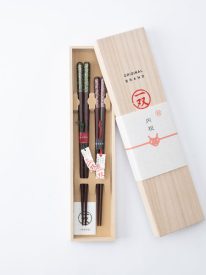
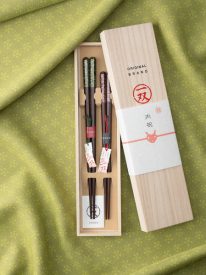
This set, named uchiiwai after the Japanese custom of giving return or thank you gifts, includes two pairs of dark brown-lacquered wood chopsticks with glittering tops. They offer the classy sheen of traditional lacquerware coupled with an eye-catching design. The longer pair measures 22.5 cm (8.8 in) and is accented with green and silver detailing,…
This sauce plate features a refined pine, bamboo, and plum motif alongside an iconic depiction of Mount Fuji. In Japanese culture, pine, bamboo, and plum are regarded as auspicious symbols that herald both good fortune and longevity The technique displayed in this plate is called somenishiki where the plate is first glazed with white and…
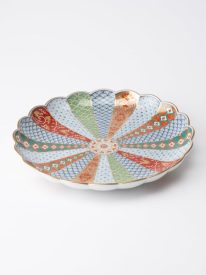
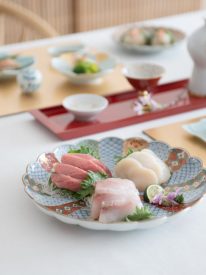
This is a gorgeous large plate with a “chrysanthemum split” design in old Imari style. The lines extend from the outside to the center and are decorated with different traditional patterns.” Each has its own meaning, such as “seigaiha,” “shigebishi,” and “zuiun.” “Seigaiha” (blue ocean waves) – a symbol of prosperity. “Shigebishi” (dense diamonds) –…
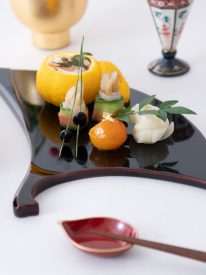
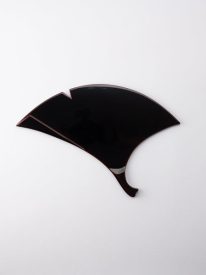
This beautiful glossy plate features a shape of a ginkgo leave that is finished with a lacquered technique called “Tame-nuri.” Tame-nuri is a lacquering technique in which the red color can be seen through the translucent lacquer by applying a coat of translucent black lacquer on top of a middle coat of red lacquer….

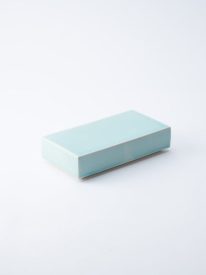 Aqua Blue Bijou Side Plate
 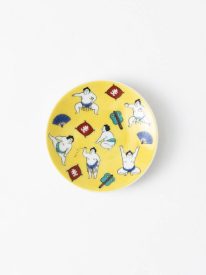 Sumo Sauce Plate
 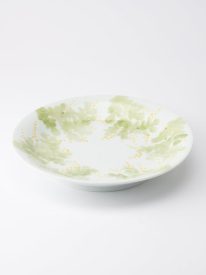 Mimosa Main Plate
 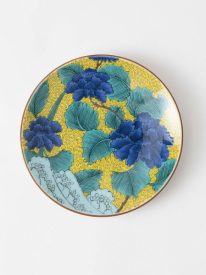 Blue Peony Side Plate