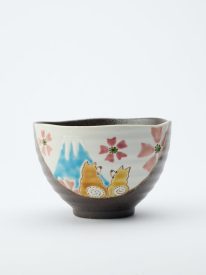
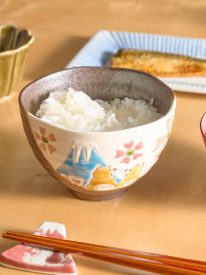
This rice bowl showcases a delightful illustration of two charming Shiba Inu snuggled together at the foot of Mount Fuji. Enhanced with delicate cherry blossom motifs, the design exudes a sense of Japanese charm and elegance. Expertly shaped on a potter’s wheel, the bowl offers a warm and comfortable feel when held in your hands. The…
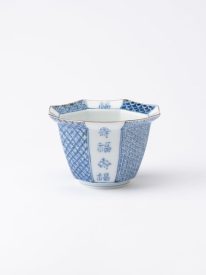
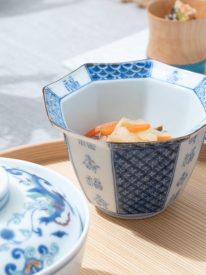
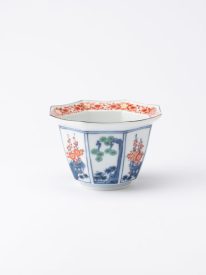
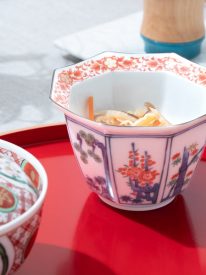
This kobachi small bowl is adorned with a fukuju pattern in the style of old Imari. Fukuju symbolizes happiness and longevity, with the design rooted in this auspicious character. The bowl has an octagonal shape with an outward-extending rim. Its depth makes it ideal for serving soupy dishes, as well as appetizers and desserts.
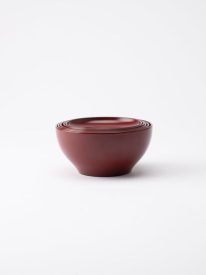
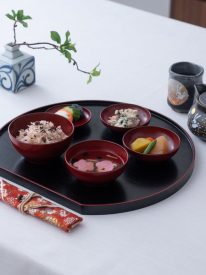
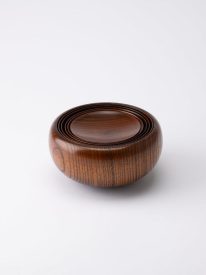
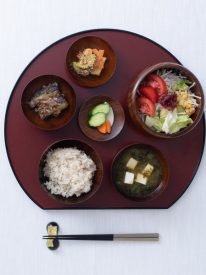
The craftsmanship of Yamanaka Lacquerware shines through in this matte lacquered “Oryoki”. The smaller size is recommended for those with small appetites or for children. Alternatively, you can use the largest size as a rice bowl and prepare a separate soup bowl of your favorite size. Oryoki, is a functional set of bowls designed to minimize…
This kobachi small bowl is decorated in the Kakiemon style. The Kakiemon style is known for its elegant compositions that use blank spaces to highlight the porcelain’s beautiful milky white color, with delicate depictions of flowers and birds in natural landscapes. The bowl has an octagonal shape with an outward-extending rim. Its depth makes it…
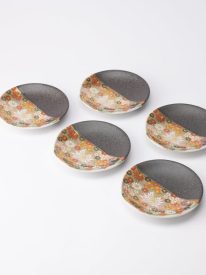
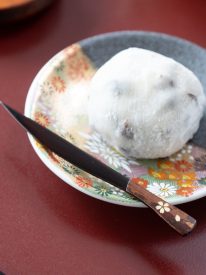
This small plates set features beautiful Hanazume style, meaning filled with flowers, one of the most notable design of Kutani ware which has been handed down the Taisho period (CE 1912-1926). Filled with colorful flowers all over the body with gold trimming, it has a timeless elegance and sophistication. The size is perfect for small…
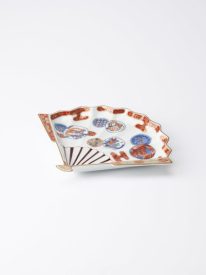
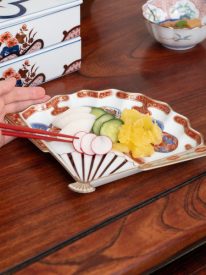
This stunning fan-shaped dinner plate features a modern interpretation of classic old Imari patterns. Modeled after an open folding fan, it has gentle undulations along the surface and black-lined illustrations mimicking wooden frames. A mythical phoenix, with a golden and scarlet tail, is elegantly depicted among traditional Japanese motifs such as chrysanthemums, peonies, and pine…
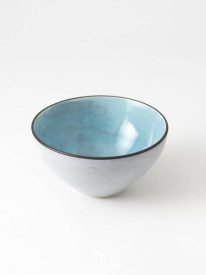
This simple and modern medium bowl has a beautiful bright blue color. Handcrafted by Hibino Ceramic, which specializes in making tableware that brings out the best in dish and makes it look beautiful and appealing. As well as its excellent design, it is durable and easy to use which makes it is widely used in…
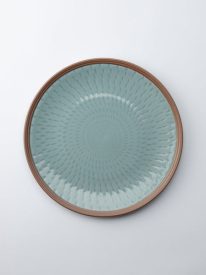
Featuring a round plate exposing the outlines of the red clay, an exquisite balance between the elegance of emerald celadon and the rustic red soil. The glazed surface is smooth with shallow grooves characteristic of “Tobikanna” (chattered pottery). A combination of a century old tradition of Kyoto Celadon pottery, and the folk craft of Kyushu Koishikawara ware,…
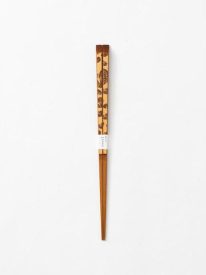
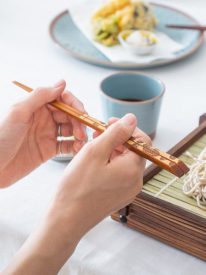
These beautiful chopsticks feature traditional patterns engraved on white bamboo and are finished with a sleek lacquer coating. Celebrating the auspicious symbol of sea bream, they are cherished for bringing good fortune during special occasions and celebrations. Bamboo chopsticks are moderately light and very easy to hold. Their flexibility and thin tips make eating effortless…
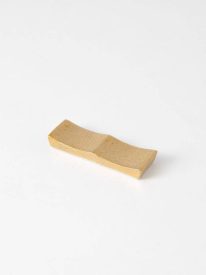
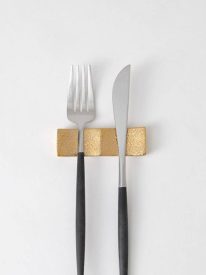
This elegant chopstick rest is adorned with delicate gold leaf, adding a touch of luxury to your table setting. It is crafted using the kinsai technique, in which a transparent glaze is applied over gold leaf before firing. This method ensures that the gold leaf remains intact and retains its brilliance over time. The result…
“Oryoki”, is a functional set of bowls designed to minimize waste in daily life in the practice of Zen Buddhism. It is increasingly attracting attention for its easy-to-use, functional and minimalistic design at the modern table. Starting with the larger bowl, the smaller ones are stacked completely on top of each other in order to allow…
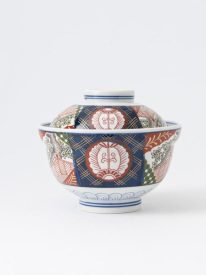
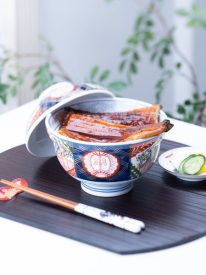
This large-sized Japanese donburi rice bowl features sakura, or cherry blossoms, framed by dark blue, lattice-like patterns, all rendered in the traditional nishiki-e style. Nishiki-e, meaning “brocade picture,” is a multi-colored woodblock print technique that revolutionized ukiyo-e during the Edo period (1603 CE-1868 CE), when most prints were in black and white. The lid helps keep…

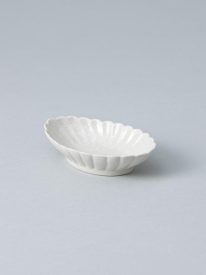 White Chrysanthemum Oval Sauce Plate