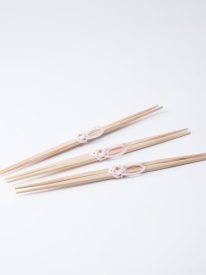
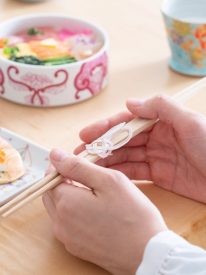
This set of three pairs of chopsticks, each held together by a rabbit-shaped mizuhiki, gives a festive flair to your table setting. Made of Yoshino cedar, they are light, easy to hold, and can be washed and reused multiple times. They are also thin at both ends, so you can pick up food on either side….
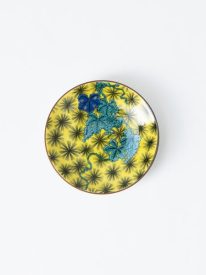
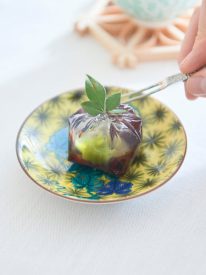
The Japanese plate features a grape and vines in Ko-Kutani (old Kutani) style, dating back to mid-17th century, depicting the nature-themed daring design and distinctive bright colors of Kutani ware. Perfect size as a sauce plate. It is also versatile to serve cheese, nuts, condiments, and other small food. Or you can put a small…
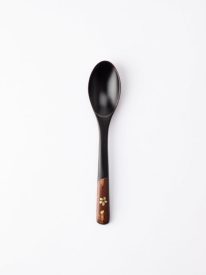
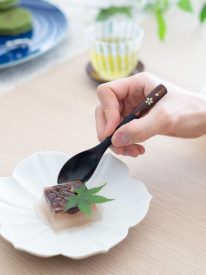
A chic lacquered dessert spoon by Yatsuyanagi. The handle is made of wild cherry bark work and painted with a golden cherry blossom motif. Although small, the combination of different traditional techniques gives it a sophisticated appearance.The 14cm(5.5in) size is suitable as a dessert spoon. Perfect for creating a traditional Japanese atmosphere at the table where Chawanmushi(Japanese steamed…
This sauce plate has the design of Katsushika Hokusai’s iconic print, “Under the Wave Off Kanagawa.” Katsushika Hokusai is one of the most renowned ukiyo-e artists of the late Edo Period (1603-1868). While Kutani Ware is loved for its vibrant colors, the hachi-kutani series features sauce plates all in white. They are made at Seikou Kiln. Seikou Kiln…
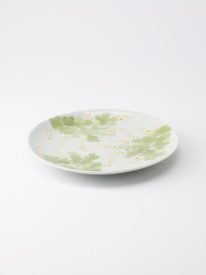
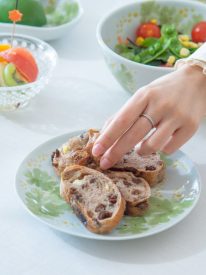
A beautiful mimosa design is painted on a white porcelain canvas. Small dots painted in gold are scattered, adding a discreet accent to the overall design. The refreshing impression of this plate is a perfect match for whatever you place on it. It is painted by the female artist, Alyne Ohigashi, who was born in…
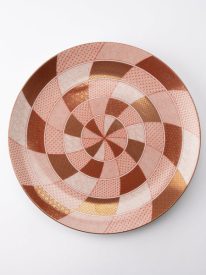
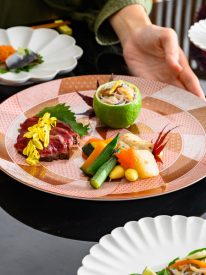
A simply stunning plate with finely detailed traditional patterns in various shades of red decorated with gold. Akae, or “red painting,” is one of the classic techniques of Kutani Ware. Detailed patterns with differing shades of a red pigment are added to the Kutani ware that fully cover the surface of the item. To add…
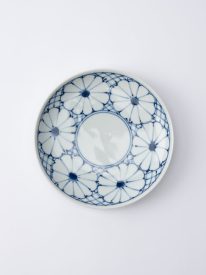
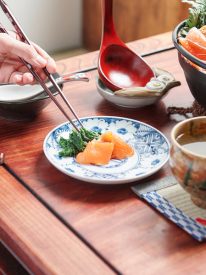
This round side plate is crafted by Takayama, a renowned maker of Hasami porcelain, and dyed with seitan, a kind of indigo. The plate is adorned with a delicate rinka petal pattern, featuring elegantly connected flower petals in a circular design. Traditionally, the rinka pattern has been cherished in Japan as a symbol of happiness…
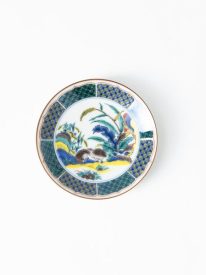
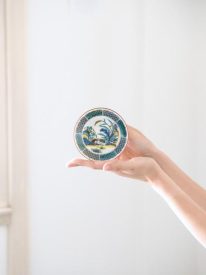
This sauce plate features two quails in the grass, painted in the traditional ko-Kutani style. Perfectly sized as a sauce plate, it is also versatile to serve cheese, nuts, condiments, and other small foods. You may also set small portions of food or relishes, place it on a larger plate or into a bento box…
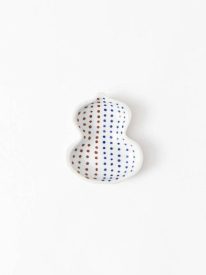
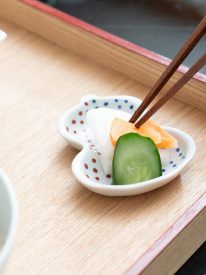
This sauce plate features a detailed dotted pattern in blue and red. In Japan, the gourd is considered a symbol of good fortune, longevity, and business success. Each piece is uniquely crafted by a skilled artisan, giving the plate a warm and inviting texture. Perfectly sized as a sauce plate, it is also versatile for…
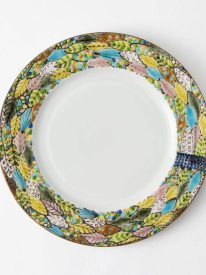
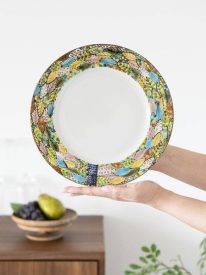
This beautiful dinner plate is part of the Hamorebi series, meaning “sunlight filtering through leaves.” The delicate painting along the rim is hand-painted by female artisan Sakurai Chie. Each piece is carefully adorned using traditional Japanese color paints, a distinctive feature of Kutani ware. The painted areas are slightly raised, adding texture and depth to…
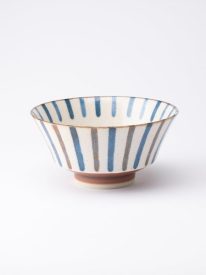
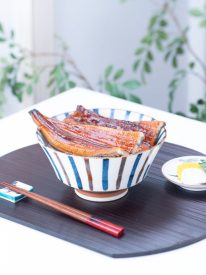
As suggested by the name nanpu, meaning “southern winds,” this bowl features a design that evokes the feeling of a warm breeze. The straight lines of blue and brown represent pouring rain, adding a sense of natural comfort to the piece. The slightly warped rim allows for easy stacking of bowls with the same shape,…
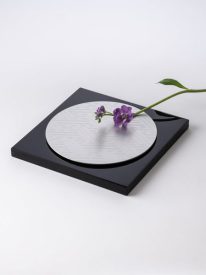
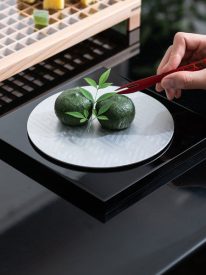
This serving tray is the result of a collaboration between a matte, subdued aluminum tray and a deep, moist Echizen lacquerware tray. “Sayagata” is one of the auspicious patterns meaning prosperity and longevity of a family. It is a diagonal overlay of the Sanskrit character for Manji (Buddhist cross). It can be used as a…

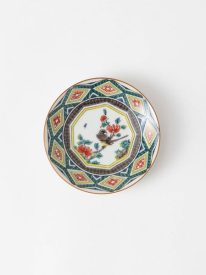 Red Flower and Bird Sauce Plate