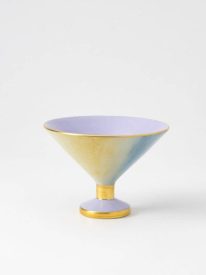
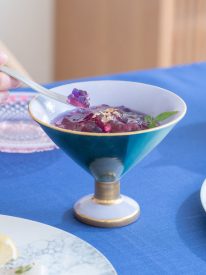
This elegant kobachi small bowl with leg is suitable for serving appetizers, cold dishes, and other small foods and makes them look more beautiful. It is also a great home decoration as it brings a sophisticated atmosphere to your room. The beautiful gradation expands your imagination, such as the sky’s azure, the cosmic blue, the…
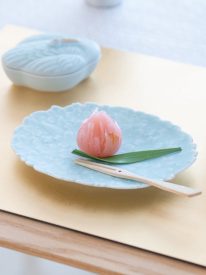
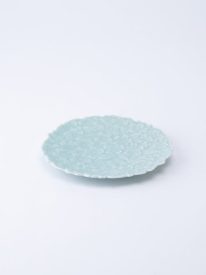
The graceful matte celadon texture of this sakura, or cherry blossom, side plate conveys tenderness the moment you touch it. Cherry blossoms are delicately engraved with varying depths, creating a harmonious interplay of deep and shallow patterns, beautifully enhanced by the magnificent shading of the celadon porcelain. It is perfect as an additional plate for…
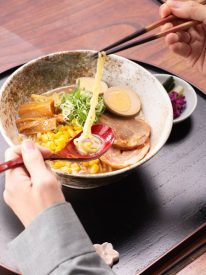
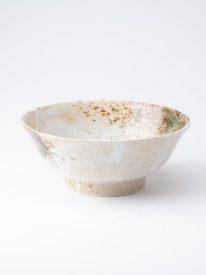
This regular-sized ramen bowl showcases the soft, earthy tones of Shino ware, with shades of brown and green blending seamlessly into a white base. It features a generous application of white glaze, creating a speckled appearance, while the unglazed areas highlight a beautifully rough texture. Originating in Gifu Prefecture during the Azuchi-Momoyama period (1573 CE-1603…
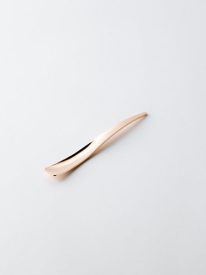
Introducing the tea spoon from the “URBAN” series, which harmonizes effortlessly with any type of dishware. It is produced in Tsubame-Sanjo, a region that accounts for 90% of metal utensil production in Japan. Unlike the design of a typical tea spoon, the entire spoon is shaped with a supple curve that resembles the flow of…
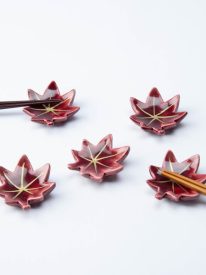
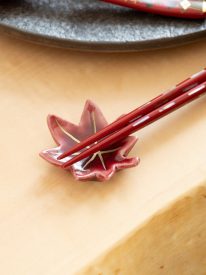
This is a set of chopstick rests depicting maple leaves that have turned red, created by Hozan Kiln of Kyo ware. The deep red color, reminiscent of wine red, is complemented by hand-painted gold lines, resulting in a chic impression. This design is recommended as an accent for a calm and autumnal table setting. Boasting…
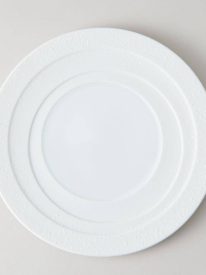
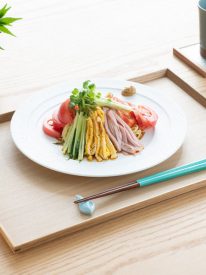
This modern dinner plate features a stylish stepped rim that accentuates the beauty of white porcelain. The design of the rim attracts the attention of the food in the center. It has a grainy texture on the surface of the rim that looks like water droplets, which makes the ingredients look fresh and impressive. The size…
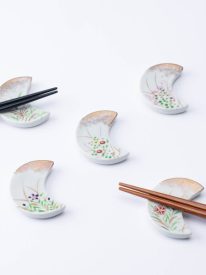
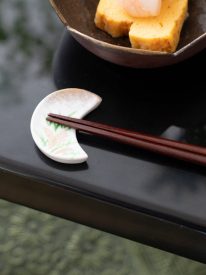
A beautiful crescent-shaped chopstick rest by Kyo ware’s Hozan Kiln is decorated with five types of flowers and grasses and sprinkled with gold dust. Japanese pampas grass and bellflowers, which suit the moon motif, evoke autumn meadows. Boasting a sleek and seamless surface, these ceramic chopstick rests serve as a quintessential addition to your daily dining…
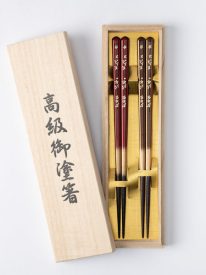
This set of Japanese chopsticks features golden sakura, or cherry blossoms, symbolizing inner beauty and elegance in Japanese culture. These chopsticks have an exquisite glossy finish and are comfortable to hold. The non-slip tips make it easy to grip even slippery foods like noodles. Its timeless design is suitable for daily use or when entertaining…
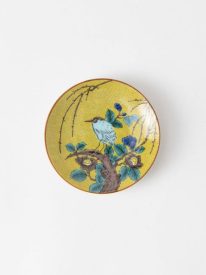
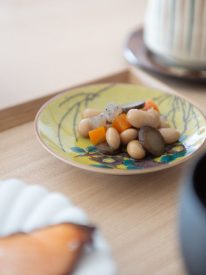
The sauce plate features a heron with a long beak painted in the yellow background. With the Yoshidaya style, a famous traditional style of Kutani ware, the combination of bright colors makes this small yet powerful piece of artwork stand out. The heron depicted on the plate is known as a bird that brings good…
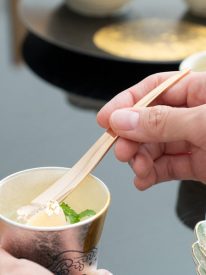
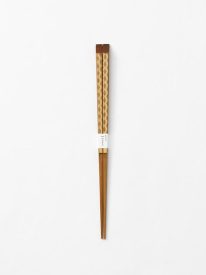
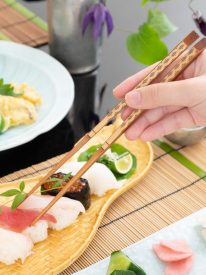
These beautiful chopsticks feature crystal patterns adorned on white bamboo, finished with a sleek lacquer coating. The laser-engraved designs add modern precision to the classic bamboo surface. Moderately light and very easy to hold, bamboo chopsticks offer flexibility and thin tips that make eating effortless. The warm touch and gentle feel of the lacquer further…
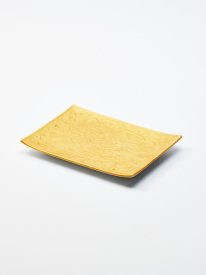
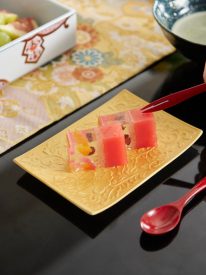
With its delicate, almost lace-like monochromatic elegance, this gold-colored plate is a unique take on a floral pattern from a dyeing technique originally imported to Japan from India. Sarasa, better known in the West as chintz or calico, is presented here in a luxurious and sophisticated style. Sarasa patterns were seen in dyed cotton textiles…
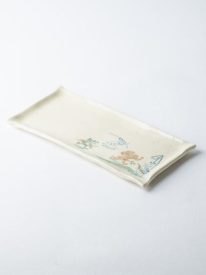
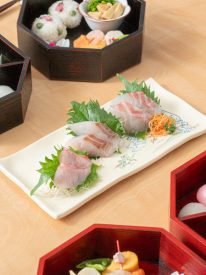
Featuring the distinctive “nami-yu” glaze, which is made from the ashes of the Kyoto forest, this rectangle plate has a natural base color in yellowish cream-white. It depicts the famous illustrated scroll named “Choju Giga” which is a caricature picture scroll depicting anthropomorphic animals and their playfulness, dating from the 12th to 13th centuries. Founded in…

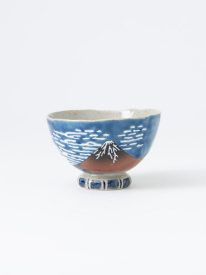 Hokusai Fuji Japanese Rice Bowl
 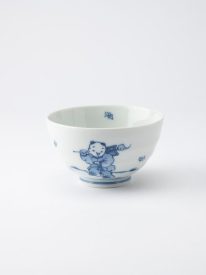 Karako Rice Bowl
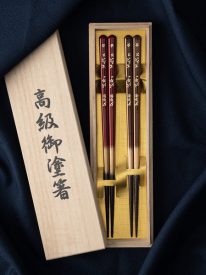
 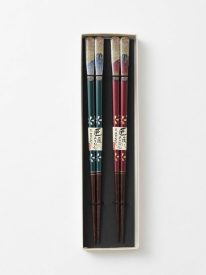 Mt.Fuji and Sakura Yamanaka Lacquerware Set of Two Pairs of Chopsticks 23 cm (9 in)