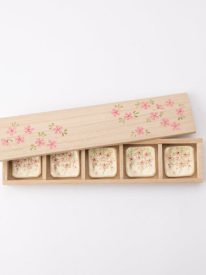
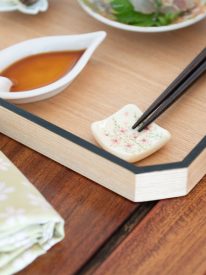
The image of graceful weeping sakura, cherry blossoms, of Gion, Kyoto is depicted on these chopstick rests from Tosen Kiln. Weeping cherry blossoms are one of the representative flowers of Kyoto, and express Kyoto’s unique atmosphere. The pink and pale green of the cherry blossoms beautifully decorate the yellowish cream white color of the Kiyomizu ware…
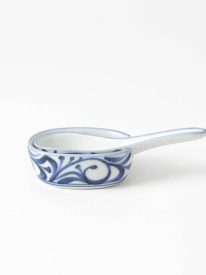
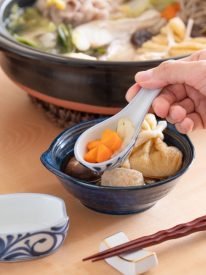
A set of spoon and spoon rest features a hand-painted arabesque pattern, one of the representative motifs of Tobe ware. The shade of indigo gives a sense of modern taste. You can feel the warmth of hand-painting from the patterns using nature motifs. It makes a perfect combination with noodle bowls from Tobe ware, which…
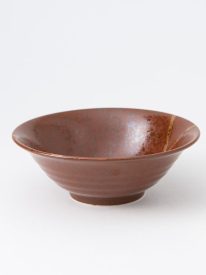
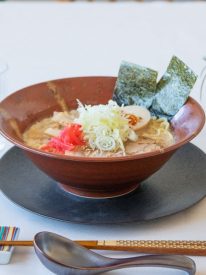
The popular children’s game of ayatori “cat’s cradle” serves as a unique design inspiration for this regular-sized ramen bowl. The bowl’s deep red-brown surface is elegantly adorned with bold, intersecting lines in light brown, reminiscent of the game’s threads. Shaped using a potter’s wheel, this piece has a pleasant weight and warmth to the touch that…
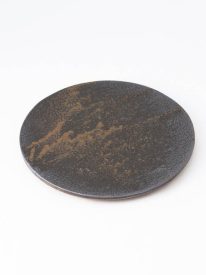
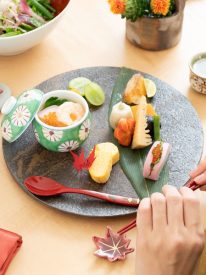
This Japanese round dinner plate has a beautiful matte and rough texture, and the chic colors mixed with gray and brown give a sense of wabi sabi beauty and create a high-quality dining table. This plate is ideal for serving main dishes and works perfectly for sashimi, sushi, tempura, or grilled wagyu. It is also…
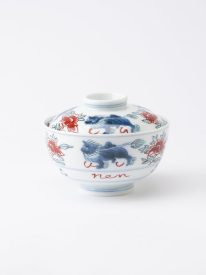
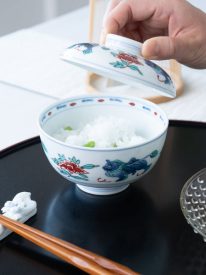
This is a kobachi small bowl with a lid, crafted from Arita ware porcelain. The bowl features Chinese-style lions and flowers painted in the vibrant nishikie style. Originally referring to multicolor woodblock prints, nishikie inspires these vivid, colorful decorations. The interior of the bowl is also painted, revealing a beautiful design when the lid is…
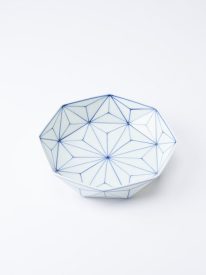
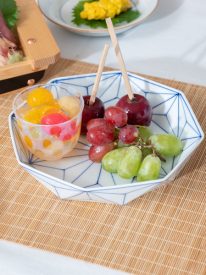
This bowl features the traditional Japanese hemp leaf pattern. The hemp leaf is considered as a symbol of good luck meant to ward off evil and is commonly used on kimono and tableware. Employing a technique of “Sometsuke” (underglaze cobalt blue) painting on a base brilliantly fired to a pure white, each piece is meticulously…
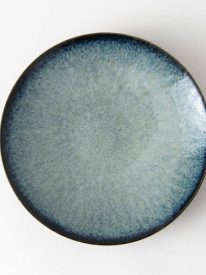
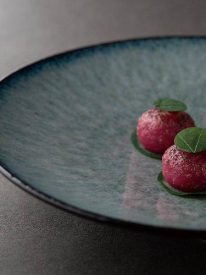
This modern dinner plate features a stunning icy blue gradient that enhances the presentation of any dish. Durable and user-friendly, it’s a popular choice in restaurants worldwide for its balance of functionality and design. Ideal for a range of dishes, from beautifully arranged main courses to shared appetizers, its generous size accommodates meals like grilled…
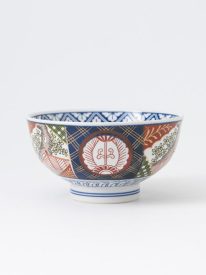
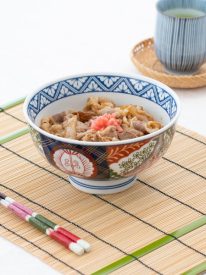
This regular-sized Japanese donburi rice bowl features sakura, or cherry blossoms, framed by dark blue, lattice-like patterns, all rendered in the traditional nishiki-e style. Nishiki-e, meaning “brocade picture,” is a multi-colored woodblock print technique that revolutionized ukiyo-e during the Edo period (1603-1868 CE), when most prints were in black and white. The bowl is perfect…
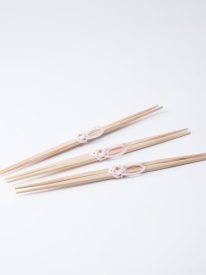
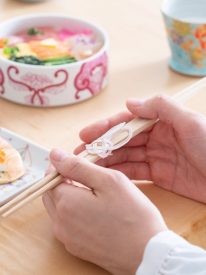
This set of three pairs of chopsticks, each held together by a rabbit-shaped mizuhiki, gives a festive flair to your table setting. Made of Yoshino cedar, they are light, easy to hold, and can be washed and reused multiple times. They are also thin at both ends, so you can pick up food on either side….
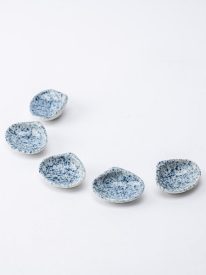
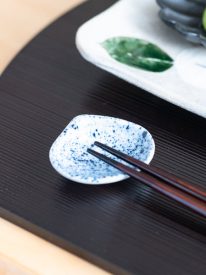
Adding ceramic chopstick rests shaped like shells to your table is a great way to bring a refreshing feel. These accessories have an authentic texture which makes them seem like they were taken straight from nature. This particular type of pattern is created through the method known as “Fukizumi” (spraying ink). It involves using water-soluble…
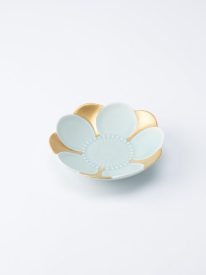
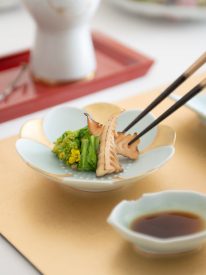
The graceful matte celadon texture of this plum-blossom-shaped side plate conveys tenderness the moment you touch it, accented with gold for a refined and sophisticated look. Plum blossoms, cherished in Japan for their auspicious symbolism, bloom first after the cold winter, inspiring happiness and signaling the arrival of a new season. With its unique shape,…
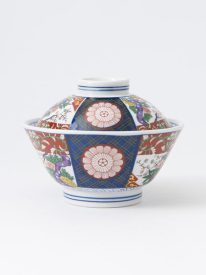
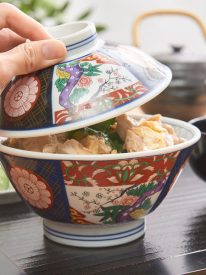
This small-sized Japanese donburi rice bowl features peonies, framed by dark blue, lattice-like patterns, all rendered in the traditional nishiki-e style. Nishiki-e, meaning “brocade picture,” is a multi-colored woodblock print technique that revolutionized ukiyo-e during the Edo period (1603-1868 CE), when most prints were in black and white. The lid helps keep the food warm and…

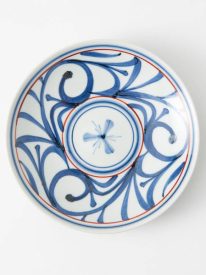 Red Line Arabesque Round Dinner Plate
 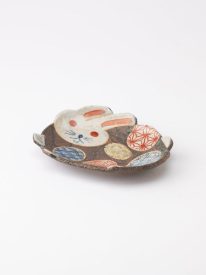 Kousai Kiln Playful Rabbit Hasami Plate
 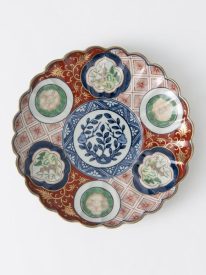 Old Imari Red Sansui Side Plate
 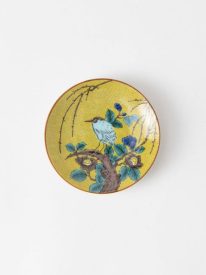 Heron and Willow Sauce Plate