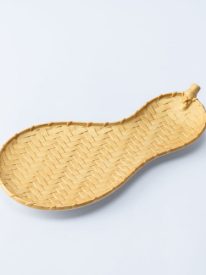
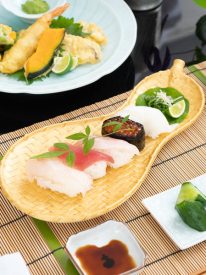
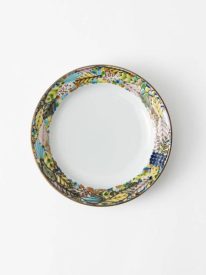
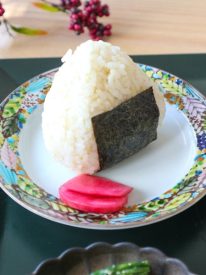
This gold dinner plate is an exquisite example of Arita ware. Its unique curved design and engraved patterns on the surface create an impressive table setting, elevating the presentation of any cuisine it holds. The gourd motif is considered as a lucky symbol in Japanese culture, representing prosperity and abundant offspring due to its plentiful…
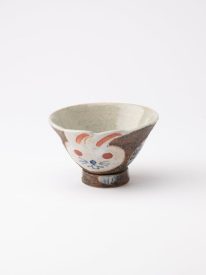
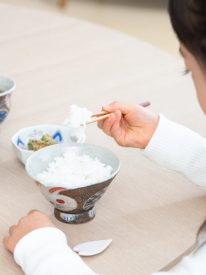
Enjoy eating rice from this bowl with the cute bunny rabbit from Kousai Kiln. This charmingly designed rice bowl is handmade combining the Shigaraki style of yakishime (high-fired unglazed ceramics) and the traditional somenishiki, a technique where a product is first glazed with white and blue patterns and then is further decorated with detailed hand-painted drawings. Stoneware…
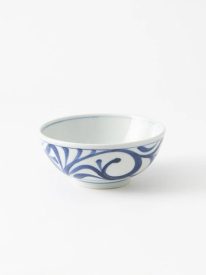
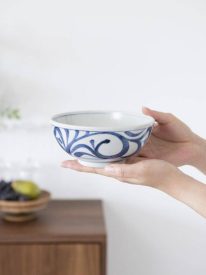
This bowl features one of the signature motifs of Tobe ware. The graceful arabesque design is brought to life by dynamic hand-painted brushstrokes, inspired by nature and the striking contrast of indigo on porcelain white. The bowl is perfect for gyudon, oyakodon, and other donburi dishes. It can also be used to serve noodle dishes like…
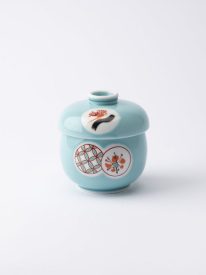
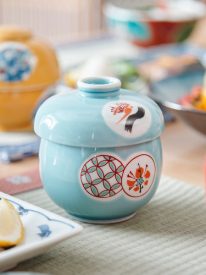
This chawanmushi (Japanese steamed egg custard) bowl has a traditional circle pattern called marumon. The transparent blue-green color unique to celadon porcelain is beautiful and contrasts elegantly with the red circle pattern. Tasei Kiln is a kiln that originally made chawanmushi bowls for restaurant use. If you make chawanmushi with it, you can enjoy authentic…
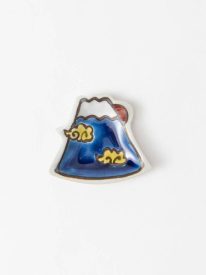
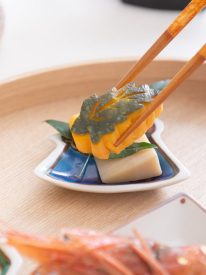
This Mount Fuji-shaped sauce plate captures the beauty of Japan’s most iconic mountain, which is believed to bring good fortune and symbolize a bright future. Each piece is uniquely hand-painted, giving it a warm and inviting texture. Perfectly sized as a sauce plate, it is also versatile for serving cheese, nuts, condiments, and other small…
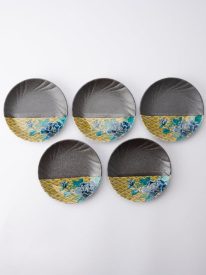
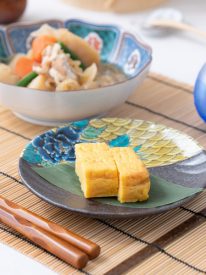
This Japanese plate set features a delicate peony painting on a gray glaze with earthy tones. The vibrant blue, yellow, and green hues of Kutani ware stand out against the subtle gray background, creating a striking contrast that blends tradition with a modern aesthetic. With a diameter of 15 cm (5.9 in), it is ideal…
This sauce plate features wisteria in the ko-Kutani style, which is known as depicting the nature-themed daring design and distinctive bright colors of Kutani ware. Perfectly sized as a sauce plate, it is also versatile for serving small foods such as cheese, nuts, and condiments. For a more elegant and sophisticated presentation, you can place…
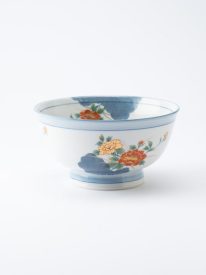
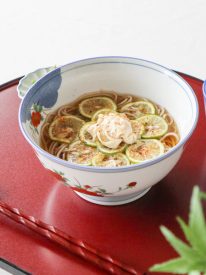
This large donburi bowl is beautifully adorned with delicately drawn peonies and a fabric-like pattern called nunome. In Japanese culture, peonies symbolize nobility, prosperity, and good fortune. The addition of gold accents enhances the bowl’s traditional elegance. The interior of the bowl is also decorated with peonies, allowing you to enjoy a visual feast while savoring…
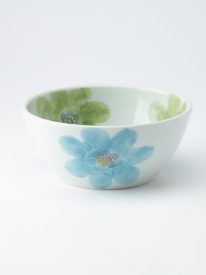
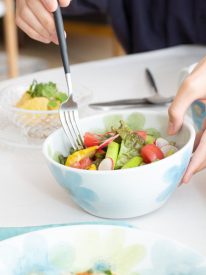
This delightful Tobe ware donburi bowl features soft floral patterns in shades of grassy green and light blue, with subtle gold accents. Applied through the unique washi-zome technique, the floral design brings a watercolor-like softness to the white porcelain surface. With a 16.7 cm (6.6 in) diameter, it’s perfect for serving salads, soups, and noodles….
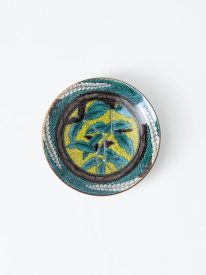
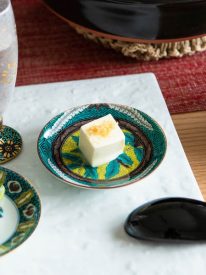
This nature-themed side plate is part of the Hamorebi series, meaning “sunlight filtering through leaves.” Each piece is beautifully hand-painted by female artisan Sakurai Chie. Using traditional Japanese coloring paintsa hallmark of Kutani warethe painted areas have a slightly raised texture, adding depth and character to the design. Perfect for serving small desserts, fruits, or…
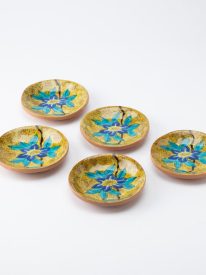
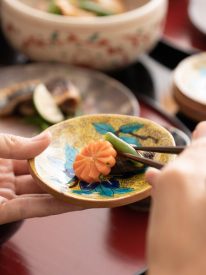
This is an elegant set of five sauce plates, exquisitely crafted in the vibrant Yoshidaya style, a celebrated tradition within Kutani ware. Unusually for Kutani ware, which is commonly made of porcelain, these plates are made from stoneware. The sides and the back of the plates retain the natural texture of unglazed clay. The overglaze…
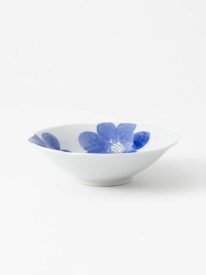
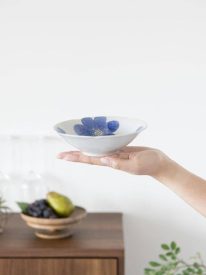
This beautiful bowl features soft blue flowers as if painted with watercolors. The bright design and shape of the rim resembles blooming flowers, bringing joyful atmosphere on the table. It is painted by the female artist, Alyne Ohigashi, who was born in Philippines. She uses a unique technique called washi-zome (Japanese paper dyeing) and continues her…

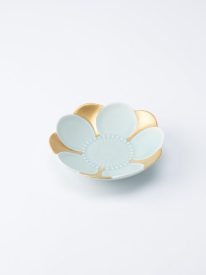 Moist Gold Plum Blossom Side Plate
 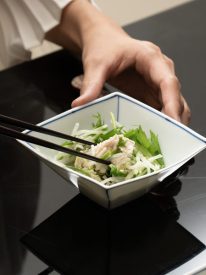 SINGAMA Blue Line Seto Ware Square Kobachi Bowl 4.5in