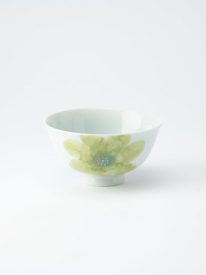
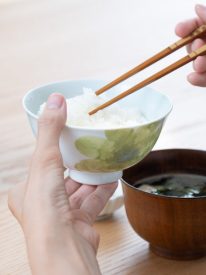
This charming Tobe ware Japanese rice bowl features a beautiful flower in a gentle light blue on the inside and a soft green on the outside. The subtle colors decorate the blooming flowers painted on a white porcelain canvas. Small dots painted in gold are scattered, adding a discreet accent to the overall design. Higashi Kiln employs…
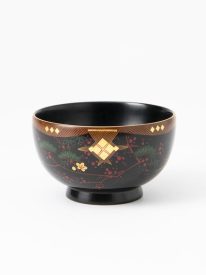
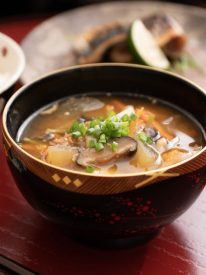
This soup bowl is hollowed out from Japanese horse chestnut, which is the best material for wood bowls. It has a slightly matte texture in calm black color.The lacquering process, from the base coat to the top coat, has been inspected for designation as a traditional Aizu lacquerware craft.Aizu-e, the traditional design of Aizu lacquerware,…
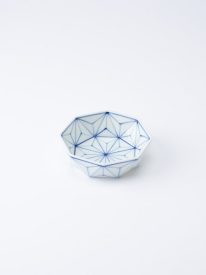
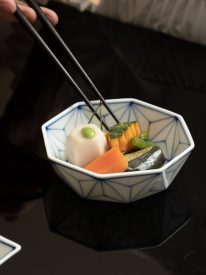
This Kobachi bowl features the traditional Japanese hemp leaf pattern. The hemp leaf is considered as a symbol of good luck meant to ward off evil and is commonly used on kimono and tableware. Employing a technique of “Sometsuke” (underglaze cobalt blue) painting on a base brilliantly fired to a pure white, each piece is…
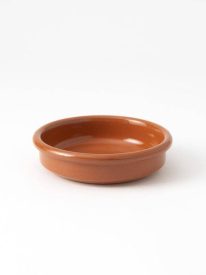
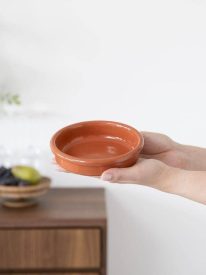
The warm reddish-brown color and rustic texture enhance the dining experience, seamlessly complementing any table setting. Versatile and durable, this deep side plate is perfect not only for traditional Japanese cuisine but also for a variety of dishes, including Spanish and Southern European specialties like ajillo and tapas. Additionally, its heat-resistant design allows for direct…
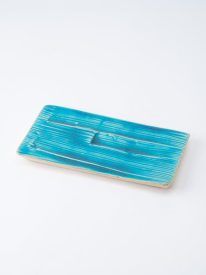
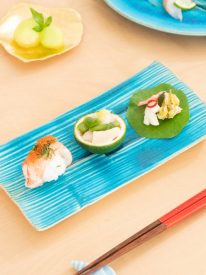
This rectangular side plate features a captivating turquoise in a matte finish, evoking the serene beauty of ocean waves. It brings a pop of color to your dinner table, while the texture of Shigaraki ware adds an element of artisanal charm. The turquoise glaze is hand-mixed using a generations-old formula. The masterfully textured stoneware with…
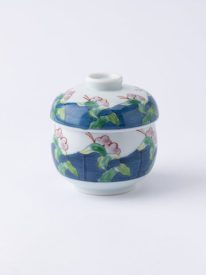
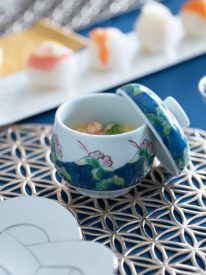
This chawanmushi (Japanese steamed egg custard) bowl has a purple flower painting in a round form. If you make chawanmushi with it, you can enjoy the authentic taste of this delicious egg custard and the atmosphere of a Japanese restaurant. When the lid is removed, the bowl can also be used as a small kobachi…
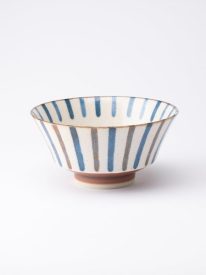
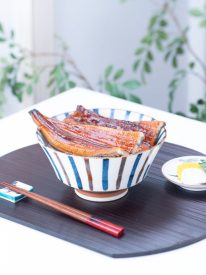
As suggested by the name nanpu, meaning “southern winds,” this bowl features a design that evokes the feeling of a warm breeze. The straight lines of blue and brown represent pouring rain, adding a sense of natural comfort to the piece. The slightly warped rim allows for easy stacking of bowls with the same shape,…
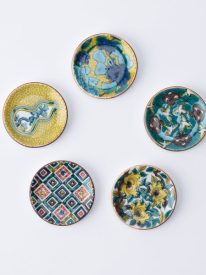
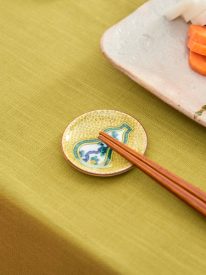
This elegantly crafted Kutani ware chopstick rest set includes five pieces, each featuring designs that bring traditional charm and intricate detail to your dining table. Adorned with traditional patterns, these chopstick rests showcase Kutani ware’s signature gosai overglazea “five-color” technique expertly applied to porcelain. Each of the five unique motifs decorates the surface, creating a harmonious design….
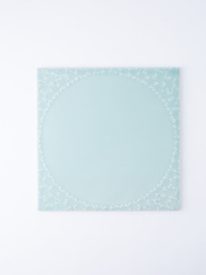
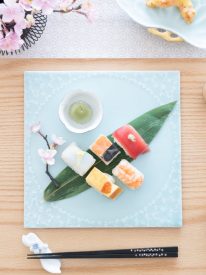
This square plate features a stunning sakura, or cherry blossom, carving that beautifully frames any dish placed on it, adding elegance to your dining table. Simply setting it at the center creates a striking focal point that enhances the entire space. The gentle, matte celadon finish offers a soft, inviting feel the moment you touch it.Its…
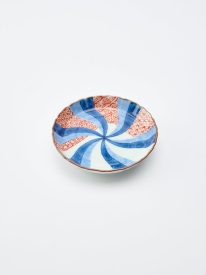
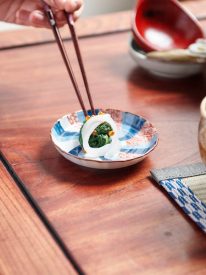
This sauce plate features swirling auspicious motifs, alongside an iconic depiction of Mount Fuji. This elegant design merges Japanese cultural heritage with refined artistry, offering a unique blend of tradition and contemporary flair. This plate features an 8 cm (3.1 in) flat center framed by a sharply contoured 1 cm rim. It showcases the somenishiki technique,…
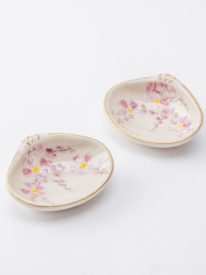
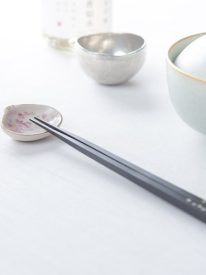
This pair of shell-shaped Hozangama chopstick rests depicts weeping cherry blossoms. The set has an elegant impression and features a golden line on the rim. The cherry blossoms are beautifully rendered in shades of pink, and although small, it will make an eye-catching piece in your dining room. Available as a set of two pieces,…
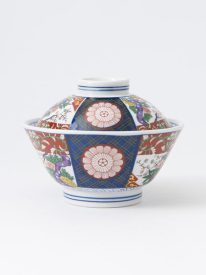
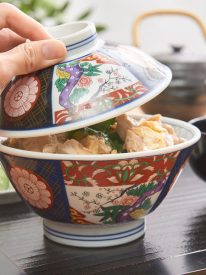
This small-sized Japanese donburi rice bowl features peonies, framed by dark blue, lattice-like patterns, all rendered in the traditional nishiki-e style. Nishiki-e, meaning “brocade picture,” is a multi-colored woodblock print technique that revolutionized ukiyo-e during the Edo period (1603-1868 CE), when most prints were in black and white. The lid helps keep the food warm and…

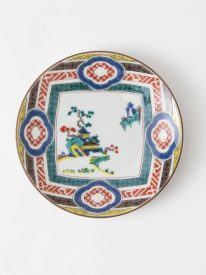 Landscape with Flowering Quince Side Plate
 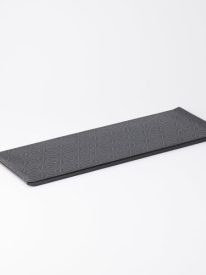 Hemp Leaf Pattern Washi Echizen Lacquerware Serving Tray
 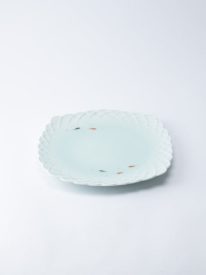 Medaka Rice Fish Weave Square Dinner Plate
 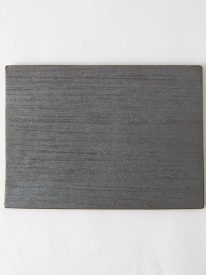 Black Tanka Rectangle Dinner Plate 11.2 in
 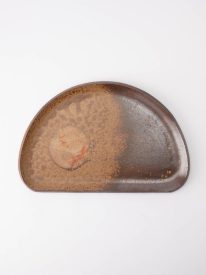 Botamochi Half-Round Dinner Plate
 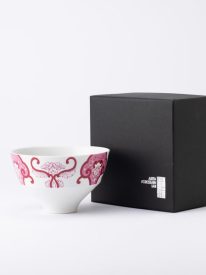 Japan Autumn Burgundy Old Imari Floral Pattern Japanese Rice Bowl
 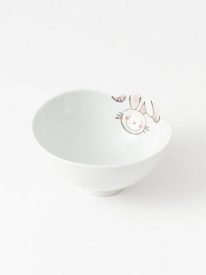 Rabbit Wave Japanese Rice Bowl S
 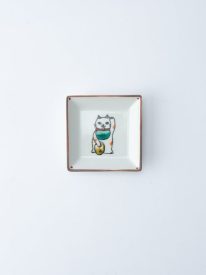 Lucky Cat Square Sauce Plate
 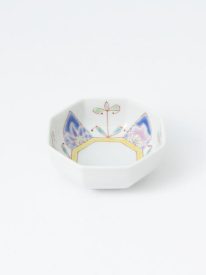 Blue Dream Kobachi Small Bowl
 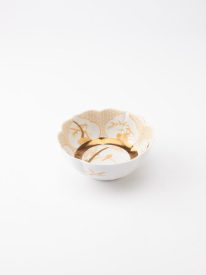 Japan Autumn Gold Flower and Bird Kobachi Small Bowl
 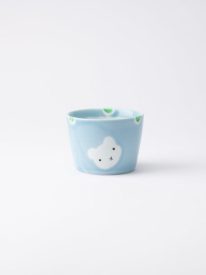 Oshin Kiln Blue Bear Hasami Children's Small Cup
 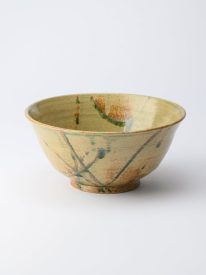 Musashi Kiln Brown Water Plant Mino Ware Ramen Bowl M