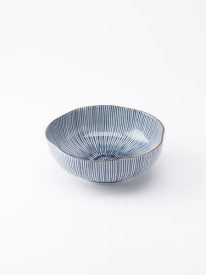
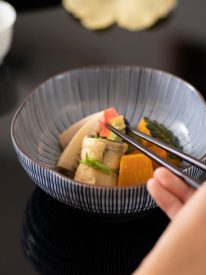
This bowl is designed with a “Tokusa” pattern drawn by hand with a broom-like brush to make the thin blue lines centering to the middle of the bowl. Originally made in the size to serve a single portion of sashimi or pickled vegetables in a traditional style meal at a tea ceremony, it can be…
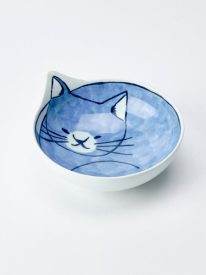
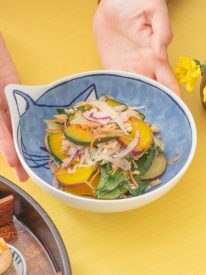
This Hasami ware bowl features a lovely blue cat. The cat is depicted with slightly pointed ears in an adorable curled-up pose, giving the bowl a unique and charming design. The carefully shaded colors on the body enhance the bowl’s charm, making the overall design even more endearing. The smooth porcelain texture and indigo color…
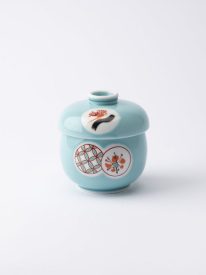
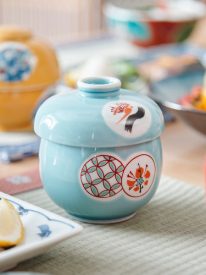
This chawanmushi (Japanese steamed egg custard) bowl has a traditional circle pattern called marumon. The transparent blue-green color unique to celadon porcelain is beautiful and contrasts elegantly with the red circle pattern. Tasei Kiln is a kiln that originally made chawanmushi bowls for restaurant use. If you make chawanmushi with it, you can enjoy authentic…
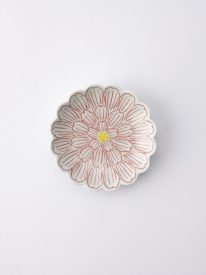
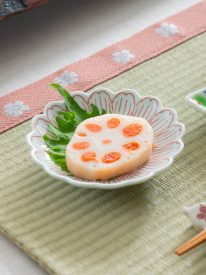
This easy-to-use chrysanthemum-shaped sauce plate features a boldly painted peony in red. The chrysanthemum shape creates a gorgeous atmosphere. This plate is available in different patterns, so you can have them all together for a more enjoyable table setting. Perfect size as a sauce plate. It is also versatile to serve cheese, nuts, condiments, and…
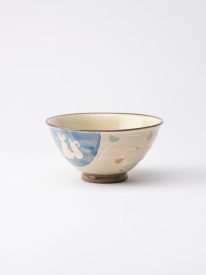
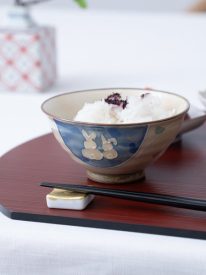
A beautifully handcrafted children’s rice bowl with an authentic Japanese feel. The charm of this rice bowl is in the hand-painted drawings.Two bunnies sitting side-by-side on an Indigo blue semi-circle with an Arabesque design are hand drawn on each piece. And differing shades of Indigo blue can be enjoyed with the watercolor painting style. The…
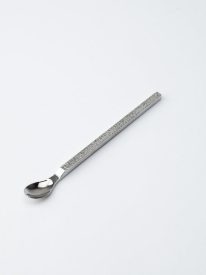
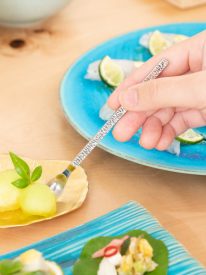
This is a coffee spoon from the “MODERN WABI SABI” series, characterized by a fusion of traditional and stylish ambiance. It is crafted in Tsubame-Sanjo, a region that accounts for 90% of domestic metal utensil production in Japan. This elegant and high-quality cutlery is designed by Yukari Nishida, a ceramic artist from Arita ware. The…
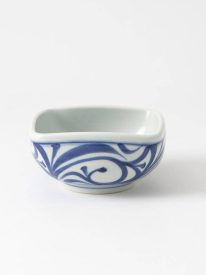
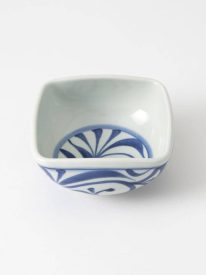
This square medium bowl features a hand-painted arabesque pattern, one of the representative motifs of Tobe ware. The indigo shade adds a modern touch, while the natural motifs convey the warmth of hand-painted craftsmanship. It is ideal for serving various side dishes, such as tangy sunomono and slowly simmered nimono. The shape stands out with…
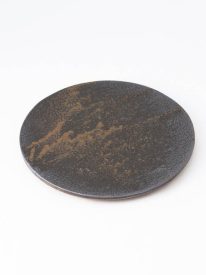
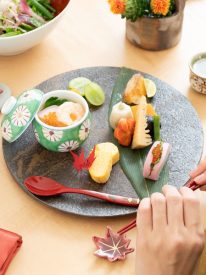
This Japanese round dinner plate has a beautiful matte and rough texture, and the chic colors mixed with gray and brown give a sense of wabi sabi beauty and create a high-quality dining table. This plate is ideal for serving main dishes and works perfectly for sashimi, sushi, tempura, or grilled wagyu. It is also…
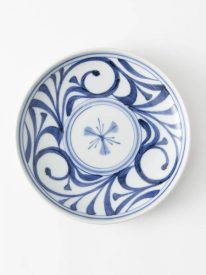
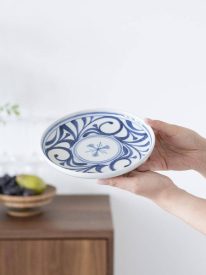
This round plate features an arabesque pattern, one of the representative motifs of Tobe ware. The shade of indigo gives this piece a modern elegance. You can feel the warmth of hand-painting from the patterns using nature motifs. With an ideal size for appetizers, small salads, bread, and desserts, this plate offers durability for long-term…
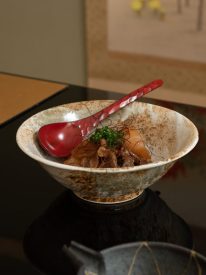
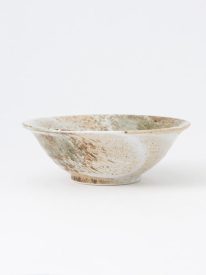
The beautiful white hue of this small ramen bowl is a hallmark of Shino ware. The speckled glaze creates a design that feels both liberating and sophisticated. Shino ware is a type of Mino ware, originally fired in Mino, Gifu Prefecture, during the Azuchi-Momoyama period (1573-1603 CE). While most of the bowl is glazed, offering…
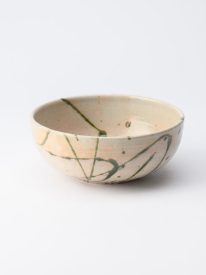
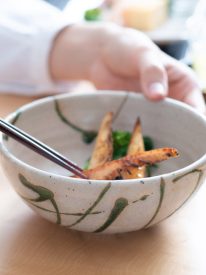
This bowl fascinates with its elegant water plant motif, the designs flowing naturally across the surface. The green glaze and abstract brushstrokes are characteristic of Yashichida Oribe ware. Tsujii Musashi, inspired by nature, infuses his creations with a subtle, rustic charm. The bowl’s refined beauty is further enhanced by gohondedelicate pinkish spots that appear naturally…
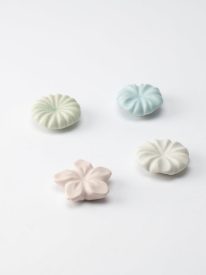
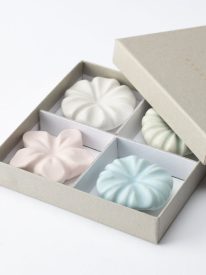
A set of four chopstick rests from the RINKA series with flower shapes. The restrained matte texture of these chopstick rests is beautifully crafted, showing the fine handiwork. Each is covered with four different pale glazes, white, pink, blue, and green, reminiscent of delicate “Wagashi”, traditional Japanese sweets. Usukiyaki is produced using a technique called…

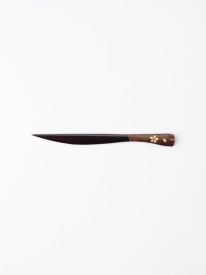 Yatsuyanagi Lacquered Akita Cherry Bark Work Wooden Wagashi Knife