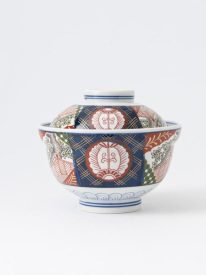
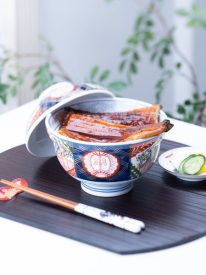
This large-sized Japanese donburi rice bowl features sakura, or cherry blossoms, framed by dark blue, lattice-like patterns, all rendered in the traditional nishiki-e style. Nishiki-e, meaning “brocade picture,” is a multi-colored woodblock print technique that revolutionized ukiyo-e during the Edo period (1603 CE-1868 CE), when most prints were in black and white. The lid helps keep…
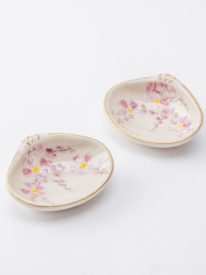
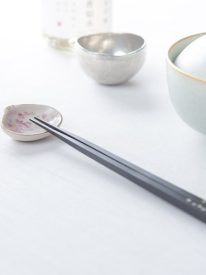
This pair of shell-shaped Hozangama chopstick rests depicts weeping cherry blossoms. The set has an elegant impression and features a golden line on the rim. The cherry blossoms are beautifully rendered in shades of pink, and although small, it will make an eye-catching piece in your dining room. Available as a set of two pieces,…
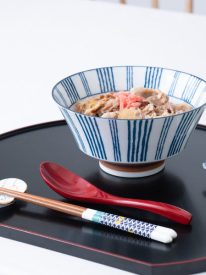
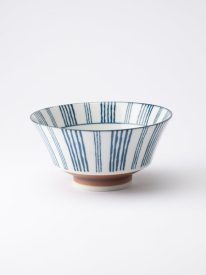
This regular-sized Japanese ramen bowl showcases a timeless blue-striped pattern that enhances a variety of table settings. Its sleek, straight silhouette offers a contemporary aesthetic, making it a standout choice among ramen bowls. With their irregular hand-painted touch, the vertical stripes follow the beautifully flared shape of the bowl accentuating the overall design. The inner…
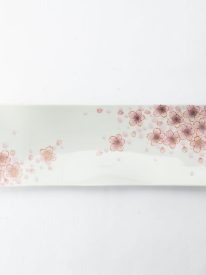
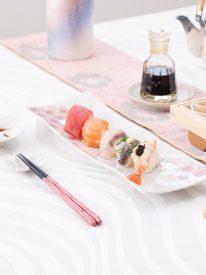
A rectangular plate with a design of Sakura (cherry blossoms) in full bloom and fluttering petals. The center of the Sakura is painted in gold, creating a gorgeous atmosphere. The surface is wavy, and the elegant and soft design goes well with the pattern. Sakura/Cherry Blossom symbolizes ” inner beauty”, “elegance” and “good education”. It…
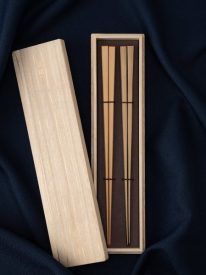
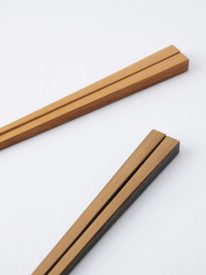
This set of bamboo chopsticks features the intricately crafted beauty of shiratake bamboo from Kyoto. A smooth and light-colored shine adorns one side of each chopstick, lending a traditional and elegant appeal. Enjoy their rustic natural charm in two subtle shades of brown. The bamboo comes from Muko City in Kyoto Prefecture, a renowned bamboo-producing…
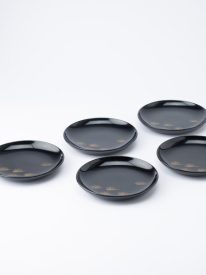
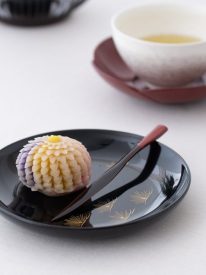
These Echizen Lacquerware side plates are exquisite items combining the elegant black shine of lacquer with the detailed gold designs made with “Chinkin.” “Chinkin” is a traditional technique used to create detailed designs with gold and silver on lacquerware surfaces. Unlike Maki-e, where gold leaves and powder are directly applied to a surface, for Chinkin, shallow…
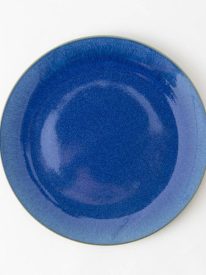
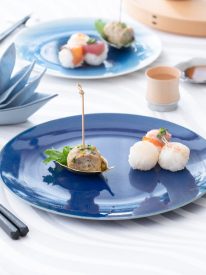
This dinner plate in a shiny dark blue color and a beautiful curve. Handcrafted by Hibino Ceramic, which specializes in making tableware that brings out the best in dish and makes it look beautiful and appealing. As well as its excellent design, it is durable and easy to use which makes it is widely used…
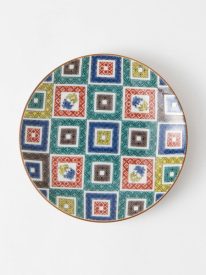
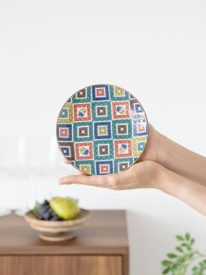
This side plate features traditional tile patterns. Kutani ware uses a brush for painting with Japanese coloring paint, as you can see the painted part is slightly thickened. It is the perfect size as an extra plate for side dishes. It is also versatile to serve cheese, desserts, and other small food. There are different…
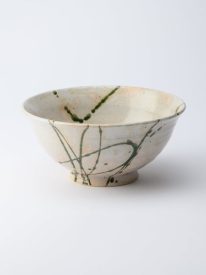
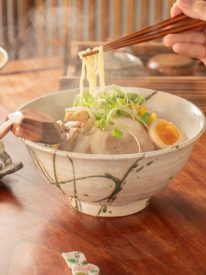
This donburi fascinates with its elegant water plant motif, highlighted with brown splashes. The green glaze and abstract brushstrokes are characteristic of Yashichida Oribe ware. Tsujii Musashi, inspired by nature, infuses his creations with a subtle, rustic charm. The bowl’s refined beauty is further enhanced by gohondedelicate pinkish spots that appear naturally after the firing…
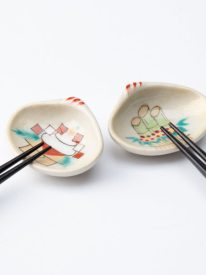
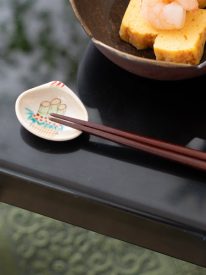
This set of chopstick rests are designed in the shape of shells, featuring a kadomatsu and kagami mochi motif. Kadomatsu, the decorative pine trees for New Year, and kagami mochi are traditional Japanese symbols used to welcome the New Year and to honor the gods. It is believed that Toshigami, a Japanese deity representing vitality, dwells…
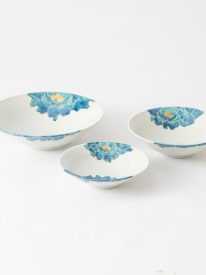
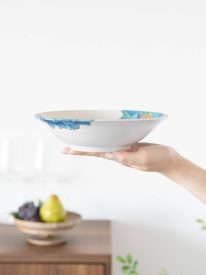
This gorgeous Japanese bowl set adorned with a bright blue peony is made by Mr. Tsuyoshi Sato, a Kutani ware artisan known for his use of bright colors and florals. With brush painting, which is a characteristic of Kutani ware, a thick peony motif is drawn as if it bloomed on bowls, and the center…
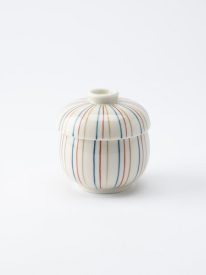
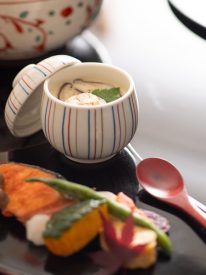
Enjoy delicious chawanmushi, Japanese steamed egg custard, in this beautiful Arita ware chawanmushi bowl. This Chawanmushi bowl is painted in the “Tokusa (Horsetail)” pattern which is a classic motif that has been beloved since the Edo period (1603 CE – 1867 CE). Its straight-growing appearance symbolizes wishes for growth and prosperity. And the three subdued colors…

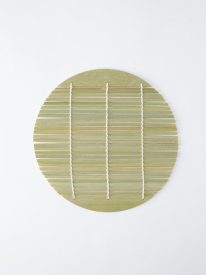 Miyabi Urushi Round Japanese Soba Bamboo Strainer