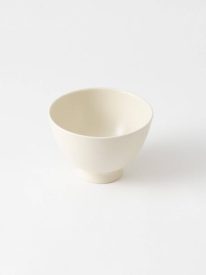
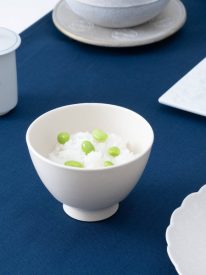
The Japanese kobachi from the “Une” series is made by Taniguchi Seidojo, which has been making Kutani ware clay for three generations. Instead of using vivid colors of Kutani ware, they propose a new, simple and modern Kutani ware that can only be created by a company that knows the characteristics of clay. The carefully…
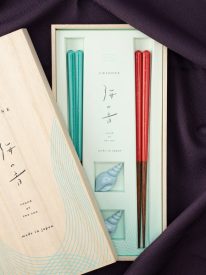
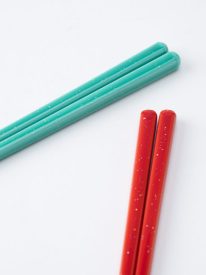
These chopsticks from Matsukan’s Sound of the Sea series captivate with their vibrant colors and shimmering glitter. The chopstick rests are crafted using a seashell-shaped mold originally used to make rakugan, a traditional Japanese confectionery. On the handle, bright red and teal colors are adorned with tiny sparkling decorations that catch the sunlight, reflecting a…
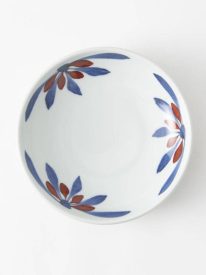
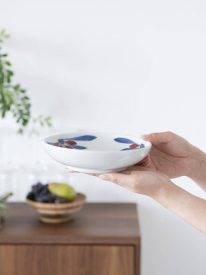
This beautiful medium bowl features an impressive pattern of chrysanthemum in indigo and red colors. You can feel the warmth of hand-painting from the patterns in nature motifs. The size is suitable for serving salad, appetizers and side dishes such edamame and sashimi. It is highly durable and ideal for long-term use.
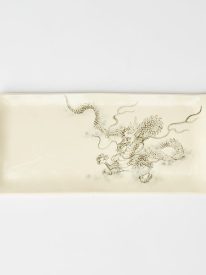
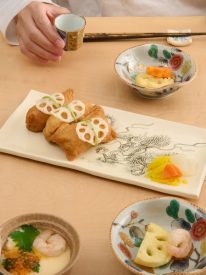
This rectangular ivory-hued plate is adorned with an intricately hand-painted dragon design, crafted with exceptional skill by a master artisan. Every detail, from the dragon’s whiskers and scales to the swirling clouds around it, is brought to life with remarkable precision. The image of the five-clawed dragon, originating from China and later embraced in Japan,…
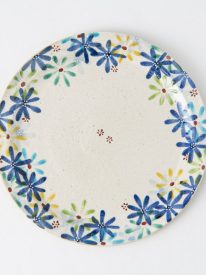
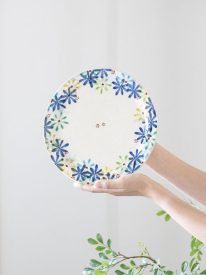
This plate has a warm texture of stoneware and is decorated with lovely hand-painted blue flowers around the rim. It is made by Kokuzou Kiln, known for its gentle and warm stoneware, and features beautiful water color-like paintings and elegant designs which blend in well with our modern life style. The large size of this…
The meticulous camellia design, a masterpiece passionately developed by Taniguchi, graces this bowl from Tosen Kiln. Camellias, symbolic of both elegance and the enduring spirit of Japanese culture, are vividly presented. The leaves, seamlessly blending dark and light green shades, instill a sense of harmony. In contrast, the petals, painted with white and red…
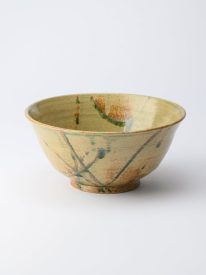
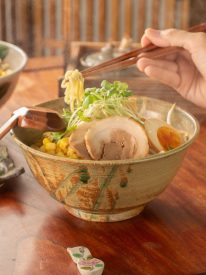
This donburi fascinates with its elegant water plant motif, highlighted with brown splashes. The green glaze and abstract brushstrokes are characteristic of Yashichida Oribe ware. Hand-crafted, this bowl reflects nature’s rustic beauty by accentuating the rokurome, or the rhythmic marks made by the potter’s wheel, which add a special texture and warmth. Mino ware is…
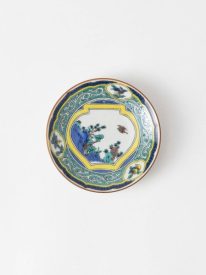
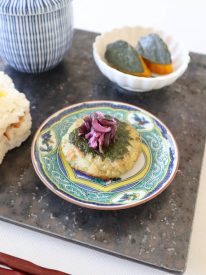
This sauce plate features a flying bird in mountains, using an art style of ko-Kutani. Kutani ware uses a brush for painting with Japanese coloring paint, as you can see the painted part is slightly thickened. The size is perfect as a sauce plate. Also, you can put a small portion of food or relishes in,…
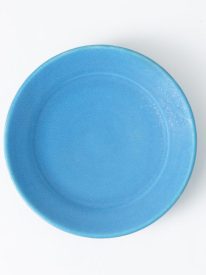
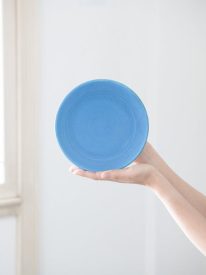
This Japanese plate features a beautiful, bright turquoise color. It is made by Kokuzou Kiln, renowned for its gentle and warm stoneware with vibrant colors and elegant designs. Kokuzou Kiln aims to transform everyday tableware into something truly special. This series was completed over a full year from the desire to create the original beautiful…
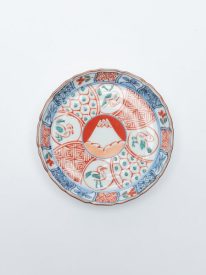
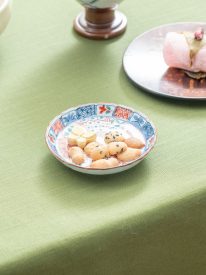
This sauce plate features various auspicious motifs, alongside an iconic depiction of Mount Fuji. This elegant design merges Japanese cultural heritage with refined artistry, offering a unique blend of tradition and contemporary flair. This plate features an 8 cm (3.1 in) flat center framed by a sharply contoured 1 cm (0.4 in) rim. The plate’s…
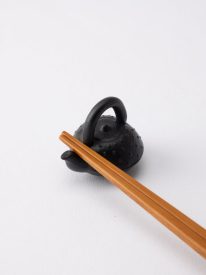
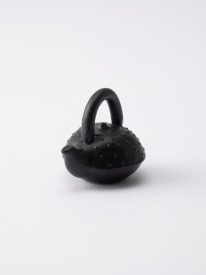
This chopstick rest is designed to resemble a miniature tetsubin (cast iron teapot). Though small, its moderate weight and detailed craftsmanship give it a strong presence on the table. Perfect for everyday dining and special occasions, this unique design adds a touch of elegance to any setting. Chopstick rests are an essential part of table settings….
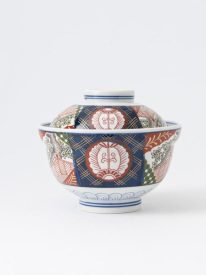
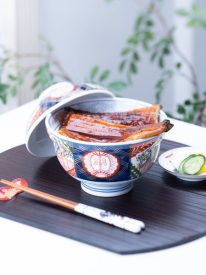
This large-sized Japanese donburi rice bowl features sakura, or cherry blossoms, framed by dark blue, lattice-like patterns, all rendered in the traditional nishiki-e style. Nishiki-e, meaning “brocade picture,” is a multi-colored woodblock print technique that revolutionized ukiyo-e during the Edo period (1603 CE-1868 CE), when most prints were in black and white. The lid helps keep…

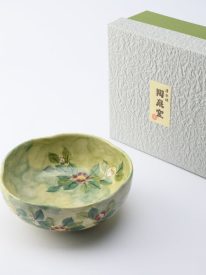
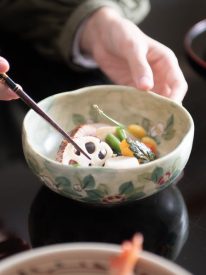
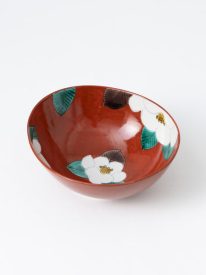 Camellia on Vermilion Kutani Bowl
 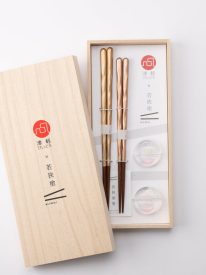 Hosho Champagne Gold Chopsticks Pair Set with Chopstick Rests
 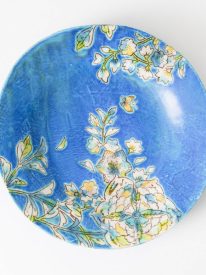 Wind's Path Deep Dinner Plate 10.2 in
 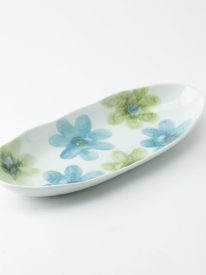 Light Fleur Long Serving Plate