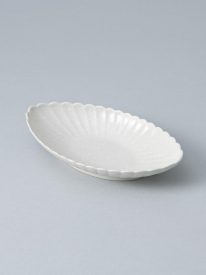
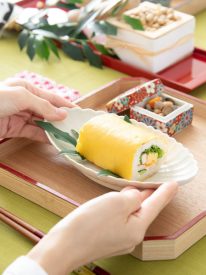
This chrysanthemum shaped oval dinner plate features a matte white color, overlaid with a white speckled glaze that looks like snow. Chrysanthemum is a shape often used in Japanese tableware. Chrysanthemums have meanings such as “love” and “true strength” and are known as an auspicious motif. Perfectly sized to plate an array of side dishes such…
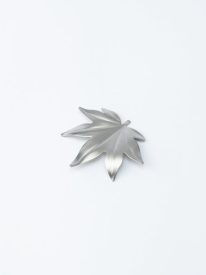
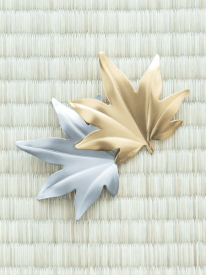
This is a stainless steel chopstick rest in the shape of a maple leaf in silver. It is made in Tsubame Sanjo, which accounts for 90 percent of domestic production of metal tableware.It expresses the soft thinness, undulation, and curves of a maple leaf, and is designed by Kaichiro Yamada, KAICHI DESIGN, which has won…
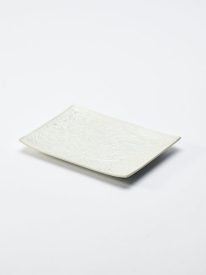
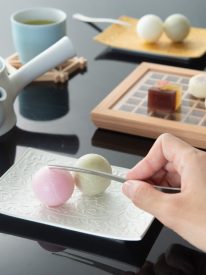
With its delicate, almost lace-like monochromatic elegance, this silver-colored plate is a unique take on a floral pattern from a dyeing technique originally imported to Japan from India. Sarasa, better known in the West as chintz or calico, is presented here in a luxurious and sophisticated style. Sarasa patterns were seen in dyed cotton textiles…
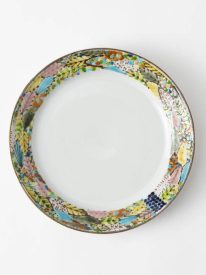
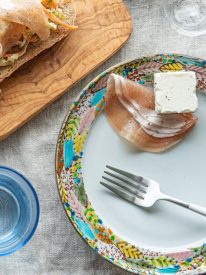
This nature-themed side plate is part of the Hamorebi series, meaning “sunlight filtering through leaves.” Each piece is beautifully hand-painted by female artisan Sakurai Chie. Using traditional Japanese coloring paintsa hallmark of Kutani warethe painted areas have a slightly raised texture, adding depth and character to the design. Perfect for serving small desserts, fruits, or…
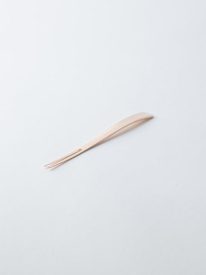
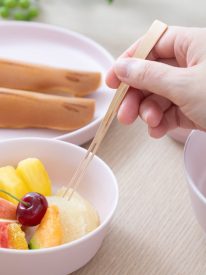
Introducing the fruit fork from the “URBAN” series, which harmonizes effortlessly with any type of dishware. It is produced in Tsubame-Sanjo, a region that accounts for 90% of metal utensil production in Japan. The entire fork is designed with a supple curve that resembles the flow of water. This curvature seems to comfortably adapt to your…
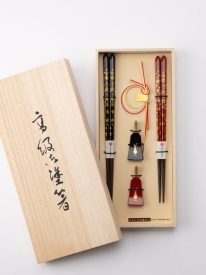
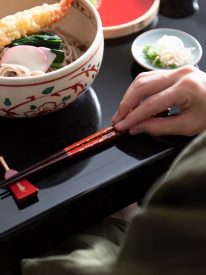
This gift set includes chopsticks lavishly decorated with a cherry blossom pattern and chopstick rests in the shape of hagoita, Japanese wooden paddles, with an auspicious rabbit design. Cherry blossoms, or sakura, have long been beloved in Japan and the impressive sight of them in full bloom has come to symbolize prosperity and abundance. Smooth…
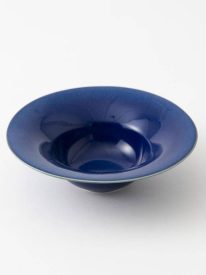
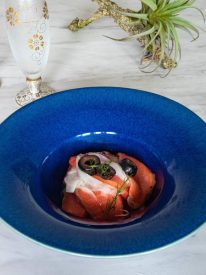
This deep side plate in a shiny dark blue color has an exquisite silhouette with wide rims and and a beautiful curve. The size is perfect for serving a salad, appetizers, sunomono “vinegared food,” aemono “seasoned or sauced food” and nimono “simmered food.” It is great for not only Japanese food, but also various food…
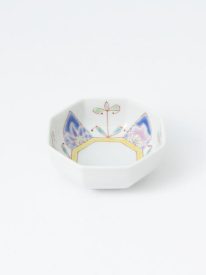
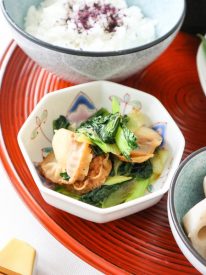
This bowl showcases dreamy patterns delicately painted by the artisans of Ginshu Kiln, renowned for its romantic and playful pastel-colored designs. The painted areas have a slightly raised texture, a characteristic of Kutani ware, which is traditionally hand-painted using Japanese coloring pigments and a brush. It is suitable for serving side such as sunomono (vinegared…
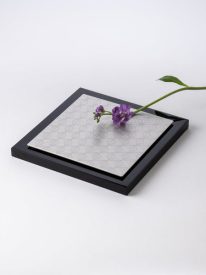
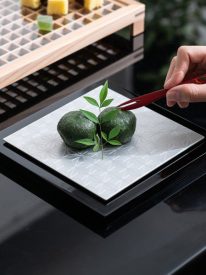
This serving tray is the result of a collaboration between a matte, subdued aluminum tray and a deep, moist Echizen lacquerware tray. The pattern of hemp, a grass that grows quickly and straight, expresses the wish for the health and growth of babies. In Japan, hemp has also been used as a sacred plant in…
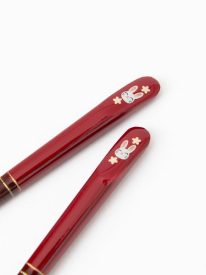
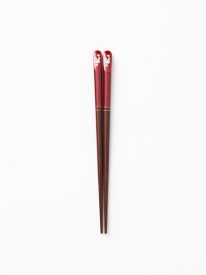
These are children’s chopsticks made of natural wood and lacquer, featuring gold maki-e, a traditional technique. The upper part of the chopsticks is cut diagonally and decorated with a cute rabbit and flower pattern. They are suitable for children in the upper grades of elementary school. The tips of the chopsticks are square to make them…
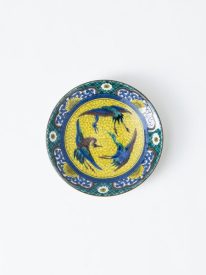
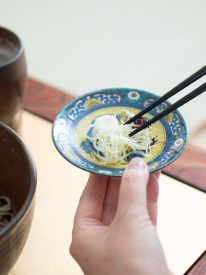
This sauce plate features three cranes flying freely as if they are dancing. A crane is a symbol of longevity and good fortune in Japan from ancient times. Kutani ware uses a brush for painting with Japanese coloring paint, as you can see the painted bird is slightly thickened and standing out. It is the perfect…
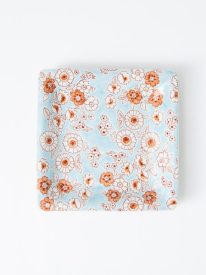
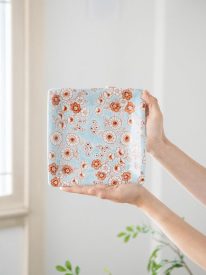
This small plate features a Japanese floral pattern. The area around the flower is painted in bright sky blue with a brush, using Japanese coloring paint which is one of the remarkable features of Kutani ware. The square shape with blunt corners and slightly uneven shape has the warmth of handcraft. The size is perfect…

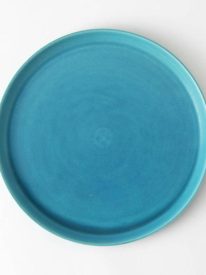 Tabal Dinner Plate