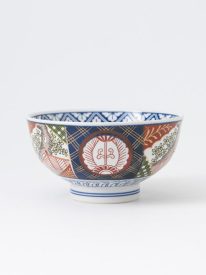
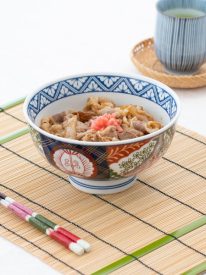
This regular-sized Japanese donburi rice bowl features sakura, or cherry blossoms, framed by dark blue, lattice-like patterns, all rendered in the traditional nishiki-e style. Nishiki-e, meaning “brocade picture,” is a multi-colored woodblock print technique that revolutionized ukiyo-e during the Edo period (1603-1868 CE), when most prints were in black and white. The bowl is perfect…
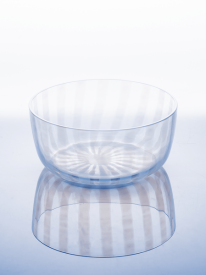
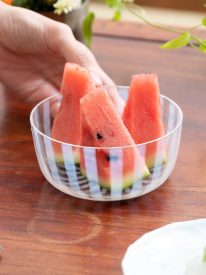
This is a glass bowl with the tokusa “horsetail” pattern from the Taisho Roman glass series by Hirota Glass, a long-established glass manufacturer in Tokyo. The tokusa motif, cherished since the Edo period (1603 CE-1868 CE), symbolizes growth and prosperity. Its straight, upward-reaching lines embody aspirations for success and flourishing, making it a beloved design through…
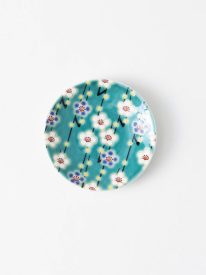
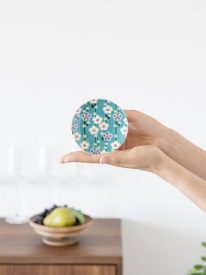
This is a Japanese small plate with a plum blossom pattern on a beautiful blue-green background. Plum blossoms have been a favorite flower in Japan for a long time, and are a motif often used in kimonos and tableware. The plum blossoms are considered to be auspicious, as they are the first to bloom…
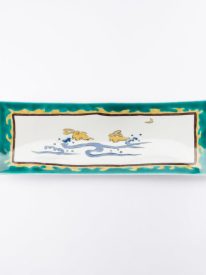
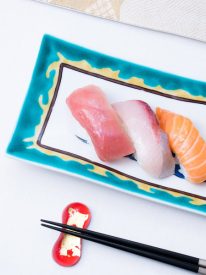
This rectangular platter, painted in the Ko-Kutani (old Kutani) styleone of the most distinguished painting styles of Kutani warefeatures two rabbits and a flowing stream of water. Completely hand-painted, the vibrant colors stand out beautifully against the pristine white background, creating a striking contrast. Even the foot of the platter is finished in green, showcasing…
The Japanese kobachi from the “Une” series is made by Taniguchi Seidojo, which has been making Kutani ware clay for three generations. Instead of using vivid colors of Kutani ware, they propose a new, simple and modern Kutani ware that can only be created by a company that knows the characteristics of clay. The carefully…
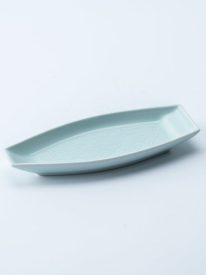
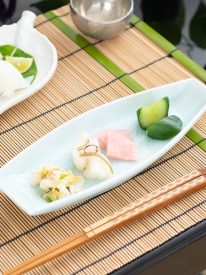
This boat-shaped dinner plate showcases a beautiful celadon glaze with a gradient of light blue. Designed like a boat, it is an eye-catching item just by placing it on the table. The seigaiha “wave” pattern symbolizes good fortune, with its spreading ripples representing the expansion of positive relationships. It is an excellent piece for serving…
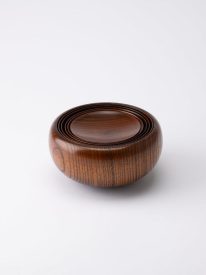
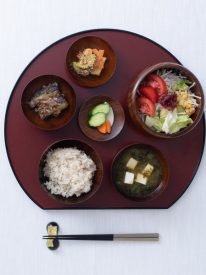
“Oryoki”, is a functional set of bowls designed to minimize waste in daily life in the practice of Zen Buddhism. It is increasingly attracting attention for its easy-to-use, functional and minimalistic design at the modern table. Starting with the larger bowl, the smaller ones are stacked completely on top of each other in order to allow…
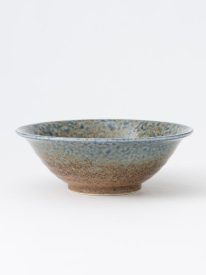
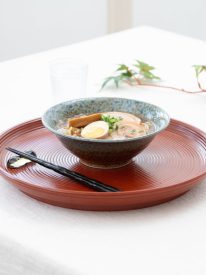
The organic colors over the surface of this small-sized ramen bowl are created by pouring an indigo glaze over porcelain that contains sand. The resulting shades of indigo blue and light brown form earthy patterns, enhancing the bowl’s warmth and effortless beauty. The bowl is perfect for a variety of noodle dishes, such as udon…
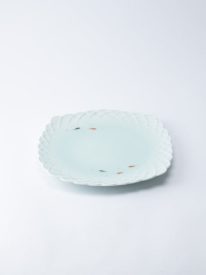
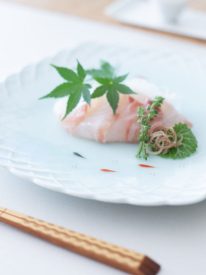
Enjoy the refined natural blue-green luster of celadon with this stylish square plate from Kosen Kiln. The weave-patterned rims add to the clear and cool motif of this decorative celadon plate. With its translucent glaze on the blue-jade hue of celadon, a tranquil atmosphere emanates from the plate’s glossy surface. Adorning the surface of the plate are Medaka…
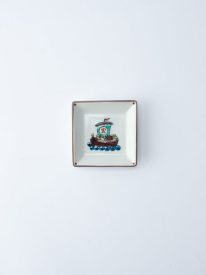
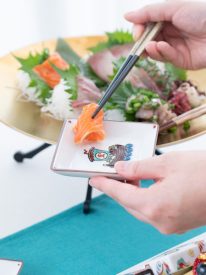
This square sauce plate features a unique depiction of an auspicious treasure boat. In Japanese tradition, the treasure boat is a mythical vessel said to carry the Seven Gods of Good Fortune along with gold, silver, and other treasures during the first three days of the New Year. The character on the sail symbolizes “treasure,”…
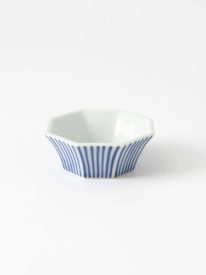
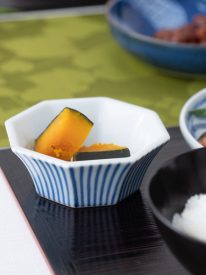
This octagonal kobachi small bowl features simple blue tokusa stripes shaded with delicate hand-painting. Tokusa, known as the horsetail plant, symbolizes longevity in Japanese culture. The indigo shade adds a modern touch, while the natural motif conveys the warmth of hand-painted craftsmanship. Perfect for serving small portions of side dishes like tangy sunomono or simmered nimono, it also…
This sauce plate features a refined pine, bamboo, and plum motif alongside an iconic depiction of Mount Fuji. In Japanese culture, pine, bamboo, and plum are regarded as auspicious symbols that herald both good fortune and longevity The technique displayed in this plate is called somenishiki where the plate is first glazed with white and…

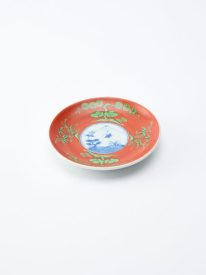
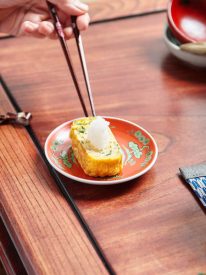
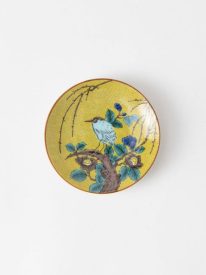 Heron and Willow Sauce Plate