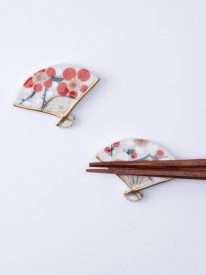
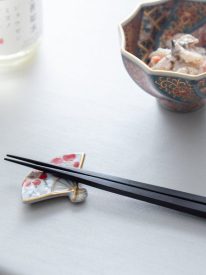
Bring sophistication to your dining setup with these fan-shaped chopstick rests. Crafted in the classic Kyo ware style, the pattern of red and white plum blossoms is given a hand-painted finish that has been elevated by a luxurious golden sheen. Make every meal special with this stylish addition to your table! With its smooth surface, ceramic…
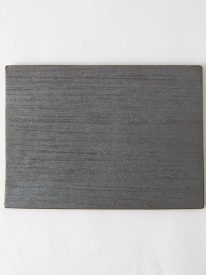
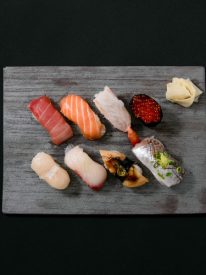
This modern shiny black plate features a brush mark on the surface which gives a traditional and arty impression. As well as its excellent design, it is durable and easy to use which makes it is widely used in restaurants in Japan and overseas. Perfect for serving appetizers, main dishes, and side dishes. It’s also…
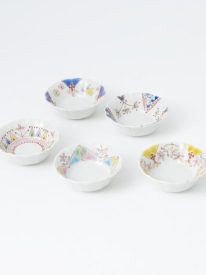
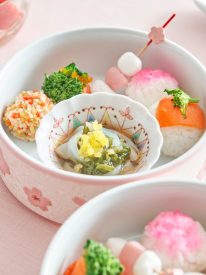
This set of five small kobachi bowls features colorful patterns painted by artisans of Ginshu Kiln, which is especially known as its romantic and playful pastel colored painting. It is suitable for serving side such as sunomono (vinegared food), aemono (seasoned or sauced food), nimono (simmered food) for one person. Furthermore, you may put a…
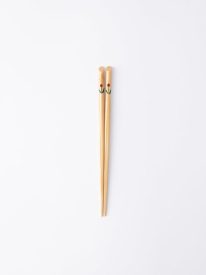
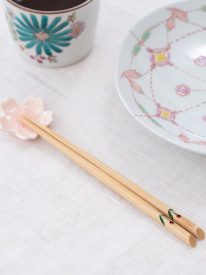
These bamboo chopsticks are made by Miyabitake, and the 16.5 cm (6.5 in) size is perfect for children between the ages of four and six. They are lightweight, making them easy for children to hold and use. The design, wider at the top and narrower at the bottom, aids in grasping food efficiently. The slanted…
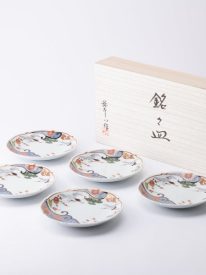
This set of five plates depicts a festive crane and waves. Decorated with other auspicious motifs such as pine, bamboo, plum, and chrysanthemum, it is perfect for celebrations and other occasions. These plates are beautifully decorated reflecting the high-quality craftsmanship handed down for generations within Arita Porcelain Lab’s long history. The technique displayed in this…
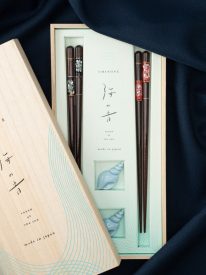
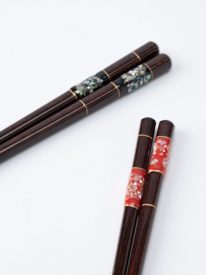
These chopsticks from Matsukan’s Sound of the Sea series are crafted using the raden technique, where intricate cuts of mother-of-pearl are embedded into the lacquer. Lightweight and easy to hold, their tips are finished with a non-slip surface. The chopstick rests are made with a seashell-shaped mold originally used for rakugan, a traditional Japanese confectionery. The…
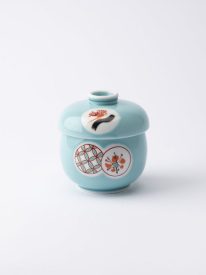
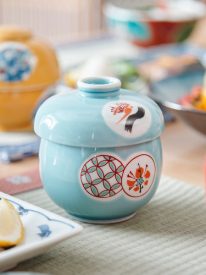
This chawanmushi (Japanese steamed egg custard) bowl has a traditional circle pattern called marumon. The transparent blue-green color unique to celadon porcelain is beautiful and contrasts elegantly with the red circle pattern. Tasei Kiln is a kiln that originally made chawanmushi bowls for restaurant use. If you make chawanmushi with it, you can enjoy authentic…
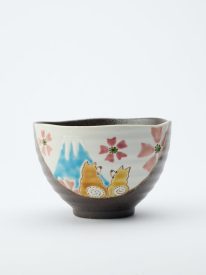
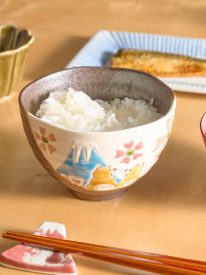
This rice bowl showcases a delightful illustration of two charming Shiba Inu snuggled together at the foot of Mount Fuji. Enhanced with delicate cherry blossom motifs, the design exudes a sense of Japanese charm and elegance. Expertly shaped on a potter’s wheel, the bowl offers a warm and comfortable feel when held in your hands. The…
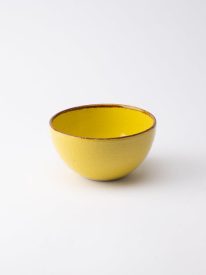
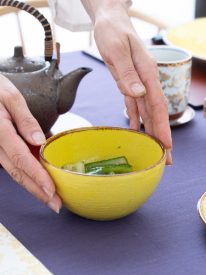
This beautiful yellow stoneware bowl is eye-catching. The bumpy surface is unique to stoneware which has a rustic, warm, and chunky texture. The brown glazed rim enhances the vividness of the yellow color. Measuring D12.3cm(4.8in), it is suitable for rice, fruit, soup, yogurt, etc. Flamenco is a series born from an exploration of “color”. The characteristic yellow…
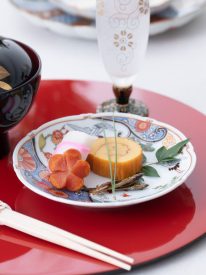
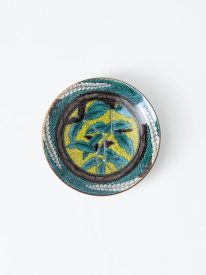
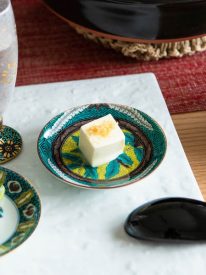
This sauce plate features wisteria in the ko-Kutani style, which is known as depicting the nature-themed daring design and distinctive bright colors of Kutani ware. Perfectly sized as a sauce plate, it is also versatile for serving small foods such as cheese, nuts, and condiments. For a more elegant and sophisticated presentation, you can place…
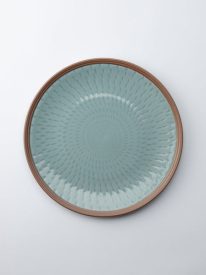
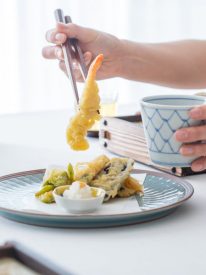
Featuring a round plate exposing the outlines of the red clay, an exquisite balance between the elegance of emerald celadon and the rustic red soil. The glazed surface is smooth with shallow grooves characteristic of “Tobikanna” (chattered pottery). A combination of a century old tradition of Kyoto Celadon pottery, and the folk craft of Kyushu Koishikawara ware,…
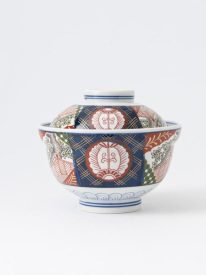
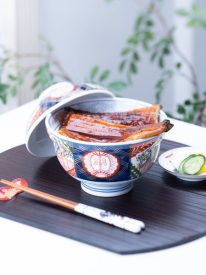
This large-sized Japanese donburi rice bowl features sakura, or cherry blossoms, framed by dark blue, lattice-like patterns, all rendered in the traditional nishiki-e style. Nishiki-e, meaning “brocade picture,” is a multi-colored woodblock print technique that revolutionized ukiyo-e during the Edo period (1603 CE-1868 CE), when most prints were in black and white. The lid helps keep…

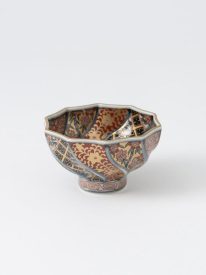 Old Imari Twist Kobachi Small Bowl