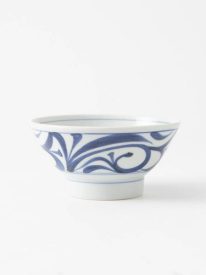
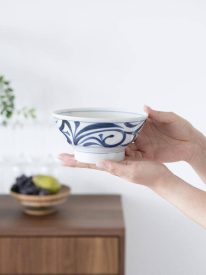
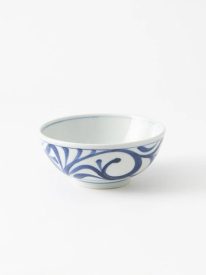
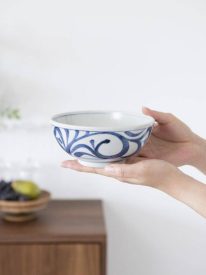
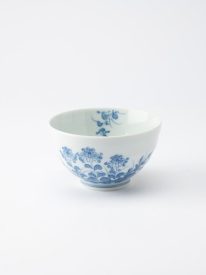
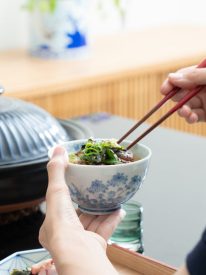
This small donburi bowl features one of the signature motifs of Tobe ware. The graceful arabesque design comes alive with the warmth of its dynamic hand-painted brushstrokes, inspired by nature and the striking contrast of indigo on porcelain white. The bowl is suited for smaller servings of gyudon, oyakodon, and other donburi dishes. It can…
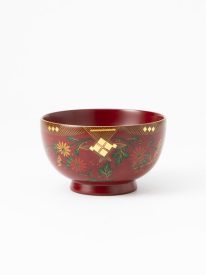
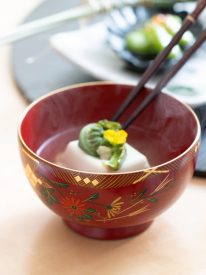
This soup bowl is hollowed out from Japanese horse chestnut, which is the best material for wood bowls. It has a slightly matte texture in calm vermilion color.The lacquering process, from the base coat to the top coat, has been inspected for designation as a traditional Aizu lacquerware craft.Aizu-e, the traditional design of Aizu lacquerware, is…
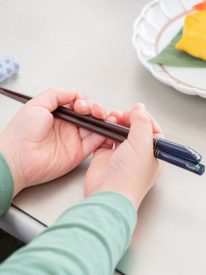
These are children’s chopsticks made of natural wood and lacquer. The top part of the chopsticks is a deep navy color and is adorned with a gleaming rabbit motif made of natural abalone shell. Three gold rings accentuate the transition into the rich brown color of the lacquered wood. The size is suitable for children…
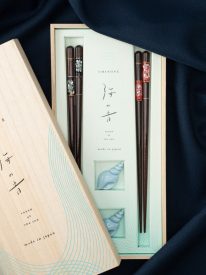
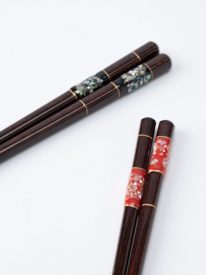
These chopsticks from Matsukan’s Sound of the Sea series are crafted using the raden technique, where intricate cuts of mother-of-pearl are embedded into the lacquer. Lightweight and easy to hold, their tips are finished with a non-slip surface. The chopstick rests are made with a seashell-shaped mold originally used for rakugan, a traditional Japanese confectionery. The…
This bowl features one of the signature motifs of Tobe ware. The graceful arabesque design is brought to life by dynamic hand-painted brushstrokes, inspired by nature and the striking contrast of indigo on porcelain white. The bowl is perfect for gyudon, oyakodon, and other donburi dishes. It can also be used to serve noodle dishes like…
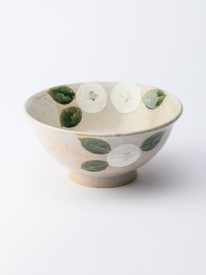
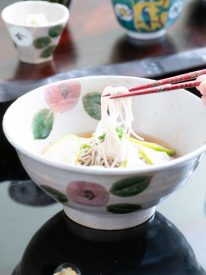
This ramen bowl from Musashi Kiln is adorned with charming red and white camellia motifs, reflecting the beauty of nature. Tsujii Musashi, the artisan behind the kiln, draws inspiration from his surroundings to create pieces that embody a subtle, rustic elegance. The bowl’s refined appearance is further enhanced by gohondenatural pinkish spots that emerge after…
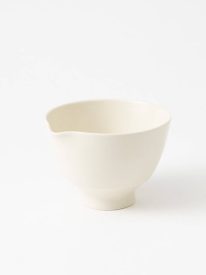
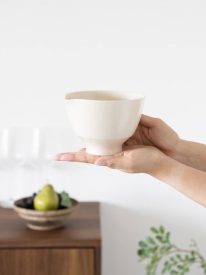
This Japanese bowl with spout from the “Une” series is made by Taniguchi Seidojo, which has been making Kutani ware clay for three generations. The carefully selected clay of Kutani ware, known as Hanasaka ceramic stone, is inevitably discarded during the clay making process. The silky, transparent, beautiful beige glaze was created to make the…
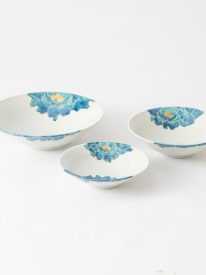
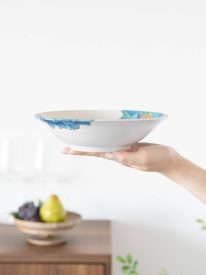
This gorgeous Japanese bowl set adorned with a bright blue peony is made by Mr. Tsuyoshi Sato, a Kutani ware artisan known for his use of bright colors and florals. With brush painting, which is a characteristic of Kutani ware, a thick peony motif is drawn as if it bloomed on bowls, and the center…
This splendid rice bowl, graced with delicately painted chrysanthemums and bush clover, encapsulates the essence of nature’s elegance. The understated charm of the painting within adds a delightful surprise, while its exterior showcases a refined simplicity. The design features flowers of chrysanthemum and bush clover, which invite a serene and sublime state of mind. You can…
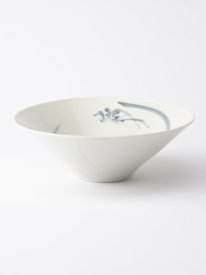
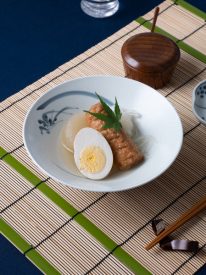
This is a serving bowl by Ri Sanpei (Yi Sam-pyeong) Kiln, a brand by the descendant of Yi Sam-Pyeong, the discoverer of white porcelain ore for Arita ware. The simple design with flowing orchids can be used for any menu. This is one of Ri Sanpei (Yi Sam-pyeong) Kiln’s most popular and classic products.Using the same Izumiyama…
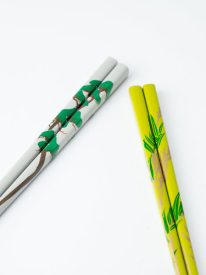
Feel the world of ancient Japanese artistry, celebrated for over 400 years, with these chopsticks beautifully decorated with traditional motifs of pine trees and bamboo leaves from Matsukan’s Rimpa series. Vivid green pine trees are depicted on a white background, while on the light green pair, delicate bamboo leaves are portrayed in green and gold….
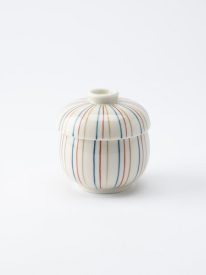
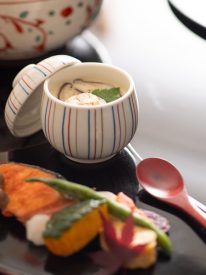
Enjoy delicious chawanmushi, Japanese steamed egg custard, in this beautiful Arita ware chawanmushi bowl. This Chawanmushi bowl is painted in the “Tokusa (Horsetail)” pattern which is a classic motif that has been beloved since the Edo period (1603 CE – 1867 CE). Its straight-growing appearance symbolizes wishes for growth and prosperity. And the three subdued colors…

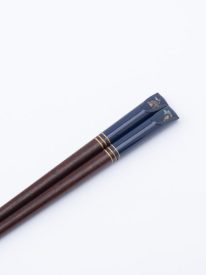
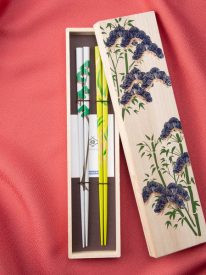
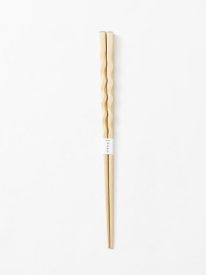 Yamachiku Navy Kizuna Bamboo Chopsticks 23cm/9.1in
 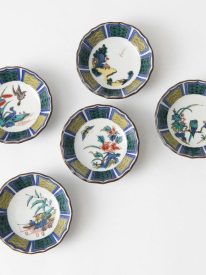 Ko-Kutani Kobachi Small Bowl Set
 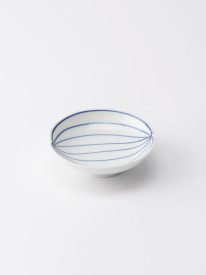 SINGAMA Leaf Vein Pattern Seto Ware Sauce Plate