View cart “Matsukan Square Shiratake Kyoto Bamboo Wakasa Lacquerware Chopsticks Set of Two Pairs of Chopsticks 24 cm (9.4 in)” has been added to your cart.
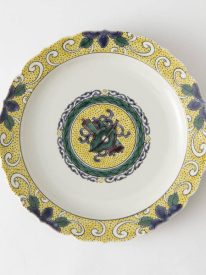
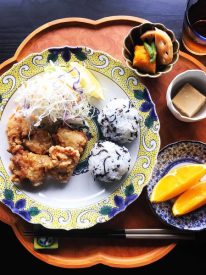
A serving plate features a fortune scroll with a wavy edge. The combination of colors and the motif gives a traditional and sophisticated atmosphere to your table setting. Kutani ware uses a brush for painting with Japanese coloring paint, as you can see the painted part is slightly. The size is perfect for serving main…
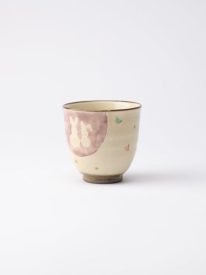
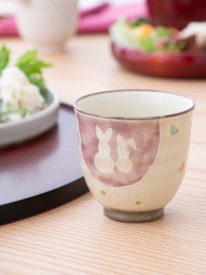
A beautifully handcrafted children’s cup with an authentic Japanese feel. The charm of this cup is in the hand-painted drawings.Two bunnies sitting side-by-side on a soft pink semi-circle with an Arabesque design are hand drawn on each piece. And differing shades of pink can be enjoyed with the watercolor painting style. The bunnies and the…
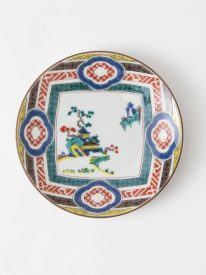
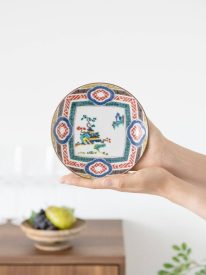
This side plate features a landscape with quince flowers in ko-Kutani (old Kutani) style, which is known as depicting the nature-themed daring design and distinctive bright colors of Kutani ware. With a diameter of 15 cm (5.9 in), it is ideal as an extra plate for side dishes or desserts. This plate is perfect for everyday…
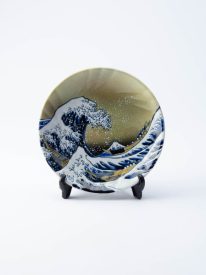
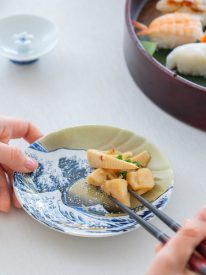
The plate features a painting of Hokusai’s “The Great Wave off Kanagawa”. Throughout his life, Hokusai painted waves as the main subject of his paintings along with Mount Fuji. Hokusai’s expression of the ever-changing movement of water captures the hearts of those who see it, even in modern times. Each piece is handcrafted by an…
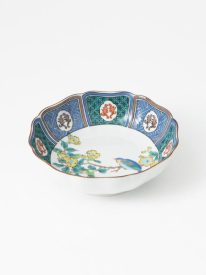
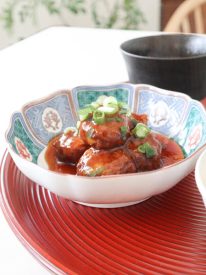
This bowl is decorated with Hypericum and Birds. The size is suitable for serving salad, appetizers such as Sunomono(vinegared food), Aemono(Seasoned or sauced food) or Nimono(simmered food) and any side dish. See more items from our Kutani ware collection to create traditional meets modern table setting. PRODUCT DETAIL Dimension: 16cm(6.29in) x 5.2cm(2.04in) Material: Porcelain –…
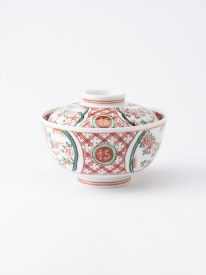
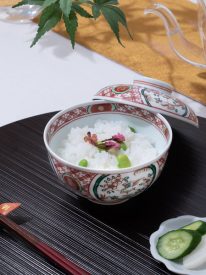
This is a kobachi small bowl with a lid, crafted from Arita ware porcelain. The bowl features a delicate design of flowers and grasses, decorated using the akae technique (overglaze red enamel), with red as the primary color, complemented by accents of green, purple, blue, and other shades. The same elegant pattern is painted on…
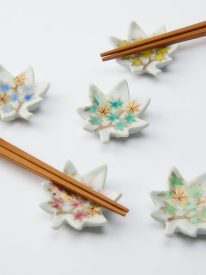
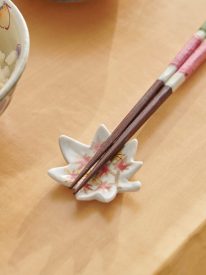
This is a set of chopstick rests, each shaped and painted to resemble a maple leaf, featuring five different colors of maple leaves. Some of the leaves are delicately highlighted with Kinsai gold paint, adding a touch of elegance. The variety of colors and the festive impression of the chopstick rests make them suitable for…
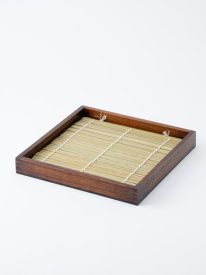
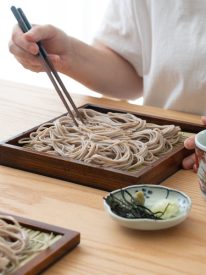
This square tray with a removable bamboo strainer is used for serving cold soba noodles. It comes with a stand to be placed under the bamboo strainer. Made by Yamanaka lacquerware and coated with brown lacquer, it can recreate the ambiance of an authentic soba restaurant. The matte texture of the “Suri-Urushi” (wiped lacquer) finish enhances…
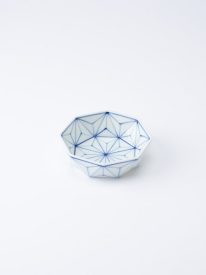
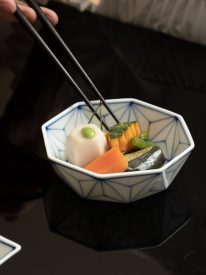
This Kobachi bowl features the traditional Japanese hemp leaf pattern. The hemp leaf is considered as a symbol of good luck meant to ward off evil and is commonly used on kimono and tableware. Employing a technique of “Sometsuke” (underglaze cobalt blue) painting on a base brilliantly fired to a pure white, each piece is…
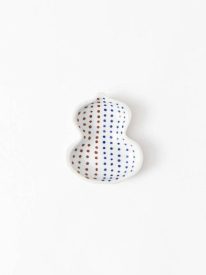
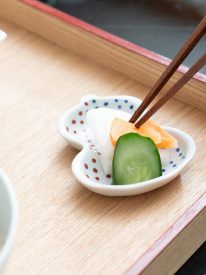
This sauce plate features a detailed dotted pattern in blue and red. In Japan, the gourd is considered a symbol of good fortune, longevity, and business success. Each piece is uniquely crafted by a skilled artisan, giving the plate a warm and inviting texture. Perfectly sized as a sauce plate, it is also versatile for…
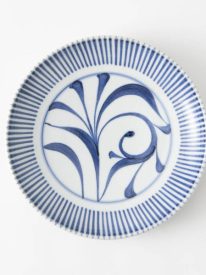
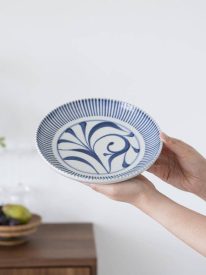
This round dinner plate features an arabesque pattern, a signature motif of Baizan Kiln, accented by a tokusa striped edge that frames the design with elegance. The hand-painted nature motifs add a warm, personal touch, showcasing the artisan’s skill. Perfectly sized for serving salads and main dishes, its traditional, refreshing blue pattern and smooth porcelain…
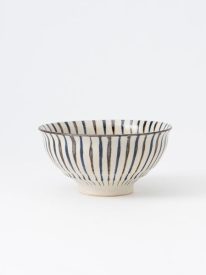
This small-sized donburi bowl features the traditional Japanese tokusa “horsetail” pattern with vertical stripes in dark blue and earthy brown. The rich, rusty hue of the brown, due to its high iron content, gives the bowl a warm, inviting finish. Beloved since the Edo period (1603-1868 CE), this pattern of straight vertical lines is inspired by…


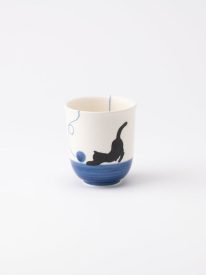 Kikusho Kiln Blue Yarn Cat Hasami Yunomi Japanese Teacup
 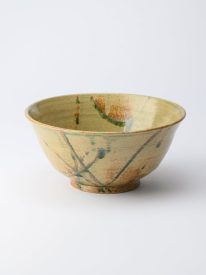 Musashi Kiln Brown Water Plant Mino Ware Ramen Bowl M
 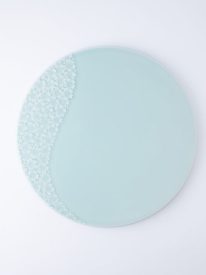 Hataman Touen Moist Floating Sakura Imari Nabeshima Ware Large Plate
 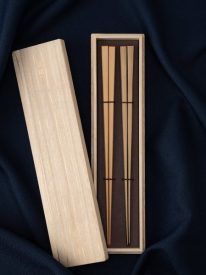 Matsukan Square Shiratake Kyoto Bamboo Wakasa Lacquerware Chopsticks Set of Two Pairs of Chopsticks 24 cm (9.4 in)