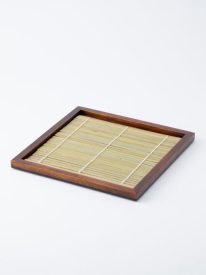
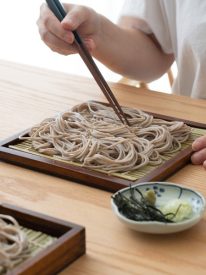
This square tray with a removable bamboo strainer is used for serving cold soba noodles. Made by Yamanaka lacquerware and coated with brown lacquer, it can recreate the ambiance of an authentic soba restaurant. The matte texture of the “Suri-Urushi” (wiped lacquer) finish enhances the beauty of the wood grain.The bamboo strainer is made using…
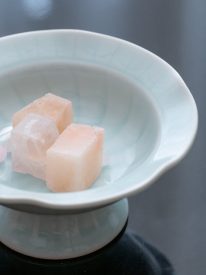
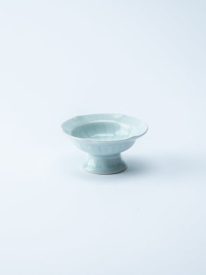
This footed kobachi small bowl is perfectly suited for serving petite portions of food or sweets. Its elevated stature introduces a sophisticated, dimensional quality to any table arrangement. Celadon porcelain, with its beautiful gradient from white to light blue, enhances dish presentation and imparts a cool, refreshing feel. The rim, designed with gentle curves that…
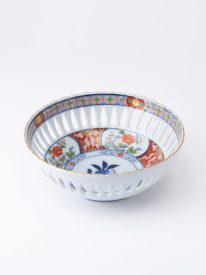
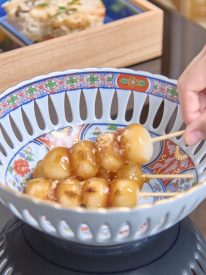
A unique piece with the lace cut design and symmetrical floral patterns on the bottom and sides. The dark blue pomegranate in the middle is a wonderful contrast against the vermillion red floral patterns on the side. The lace cut gives the bowl a lighter look and the lighting that comes through the cuts create…
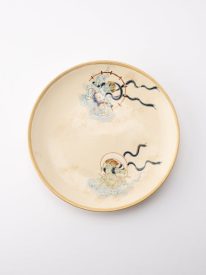
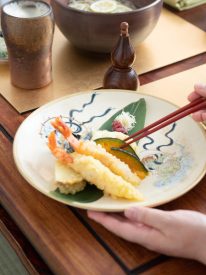
Featuring the distinctive “nami-yu” glaze, which is made from the ashes of the Kyoto forest, the plate has a natural base color in yellowish cream-white. Founded in 1868 as a Kiyomizu ware wholesaler in Kyoto, Tosen Kiln uses its own blend of soil and glaze, preserving the methods and quality of the works of Nonomura…
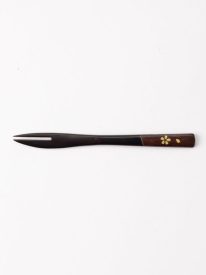
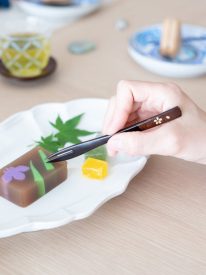
This lacquered fork is made by Yatsuyanagi, a manufacturer of cherry bark work from Akita Prefecture, decorated with cherry blossom motifs. Although small in size, it fully conveys the charm of Akita cherry bark work. It is the perfect item to bring traditional craftsmanship into your daily life. The cherry trees used for Akita cherry…
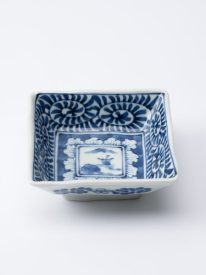
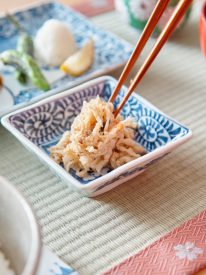
This elegant square kobachi small bowl is crafted by Takayama, a renowned maker of Hasami porcelain, and is dyed with seitan, a kind of indigo. The center of the plate features a traditional sansui landscape painting depicting the grandeur of nature, surrounded by a delicate yet bold karakusa arabesque pattern. In Japanese culture, sansui art symbolizes the…
This cute flower-shaped white sauce plate has Ishidatami (cobblestone) designs which are believed to bring good luck in terms of eternity, development, expansion and prosperity because of its continuity pattern. This cobblestone pattern was also adopted as the emblem for the 2020 Tokyo Olympics. While Kutani ware is loved for its vibrant colors, the hachi-kutani series…
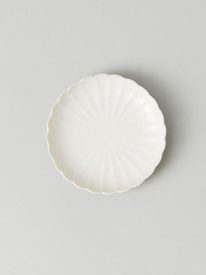
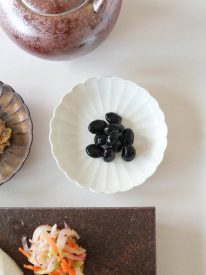
This chrysanthemum-shaped sauce plate features a matte white glaze. On top of that, the glaze is again applied as if it were sprinkled with flakes of snow. Chrysanthemum is a shape often used in Japanese tableware. Chrysanthemums have meanings such as “love” and “true strength” and are known as an auspicious motif. Perfect size as…
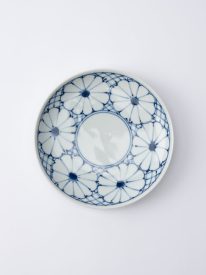
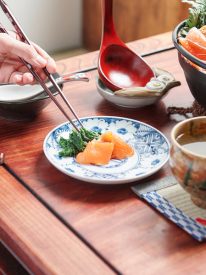
This round side plate is crafted by Takayama, a renowned maker of Hasami porcelain, and dyed with seitan, a kind of indigo. The plate is adorned with a delicate rinka petal pattern, featuring elegantly connected flower petals in a circular design. Traditionally, the rinka pattern has been cherished in Japan as a symbol of happiness…
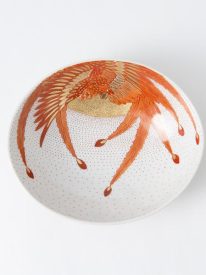
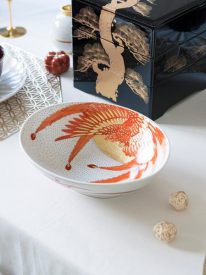
Premium Kutani bowl with a drawing of a graceful phoenix in red and gold on a durable porcelain base. It is a piece made by Fukuda Yoshinori. Detailed figures drawn in red and added golden decorations are characteristic of this Iidaya and Akae style. The phoenix is famous as a symbol of immortality and it…
This tonsui bowl stands out for its subtle reddish-brown color. Slightly larger than a typical tonsui, it can hold plenty of soup from a hot pot. By placing your fingers on the handle, you can grip it securely without feeling too much heat. Although tonsui bowls are primarily used for hot pot dishes, they also…
The Japanese kobachi from the “Une” series is made by Taniguchi Seidojo, which has been making Kutani ware clay for three generations. Instead of using vivid colors of Kutani ware, they propose a new, simple and modern Kutani ware that can only be created by a company that knows the characteristics of clay. The carefully…

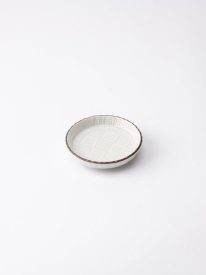
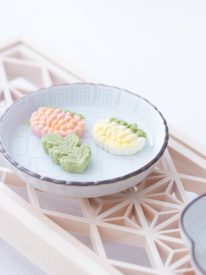
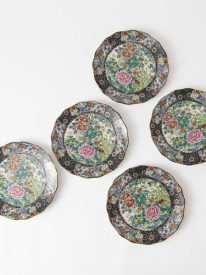 Nishiki-e Kutani Round Plate Set
 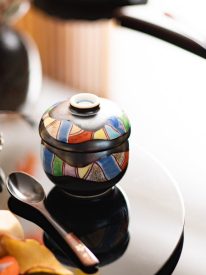 Tenmoku Color Stripe Chawanmushi Bowl