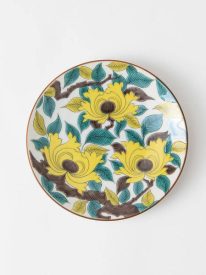
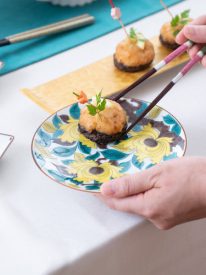
This side plate features large yellow peony flowers. This is a classic design of the ko-Kutani style dating back to the mid-17th century, depicting the nature-themed daring design and distinctive bright colors of Kutani ware. With a diameter of 15 cm (5.9 in), it is ideal as an extra plate for side dishes or desserts….
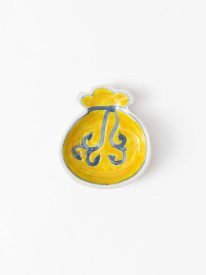
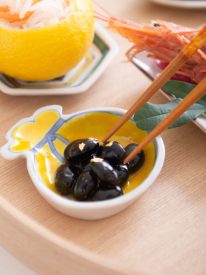
This small plate is shaped like a treasure bag, an auspicious motif symbolizing wealth and good fortune. Often depicted in art and crafts, it represents an endless source of riches and blessings. With its charming form and meaningful design, it adds a touch of tradition and elegance to your table. Perfectly sized as a sauce…
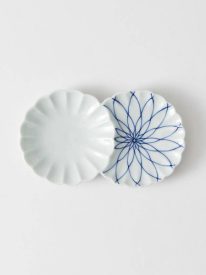
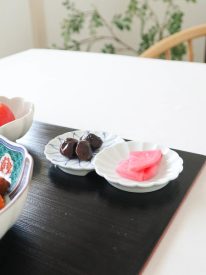
This unique small plate is shaped like two chrysanthemums joined together. One of them features a petal pattern colored in indigo blue. Its shape and design make it perfect for serving soy sauce and small relishessuch as spring onions, wasabi, ground ginger, and sesame seedsthat are often served with soy sauce when enjoying sashimi or…
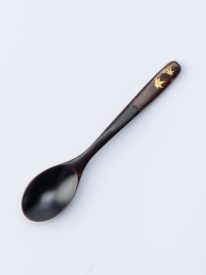
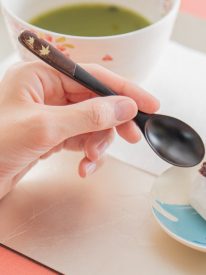
The beautiful black lacquer with red hues peeking through already makes this spoon a work of exceptional craftsmanship. The delicate natural pattern of kabazaiku, or cherry bark work graces the handle and is further decorated in an understated momiji (Japanese maple leaves) motif. The technique used for this spoon is known as tamenuri, which involves a…
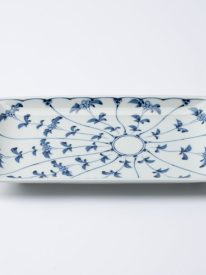
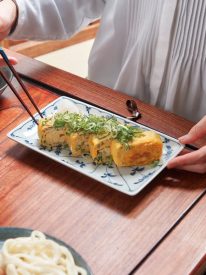
This elegant rectangular dinner plate is produced by Takayama, renowned for Hasami porcelain. The entire surface features the striking wari-kusabana motif of stemmed flowers separated by scrollwork, which has long been cherished as a symbol of renewal and hope for its ability to flourish even in harsh conditions. Delicate yet powerful, this pattern enhances the…
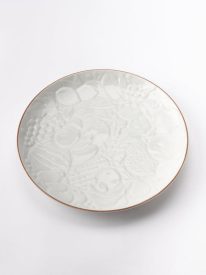
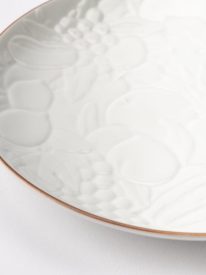
This fruit relief plate is crafted using pressure molding, finished with a glossy white glaze, and accented by a hand-painted brown rim. Fruits have long been featured in traditional patterns as symbols of immortality and the prosperity of future generations. In Kutani ware, motifs like melons and grapes have been passed down through the ages….
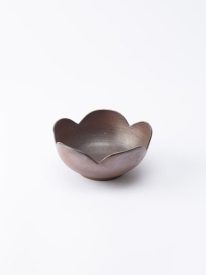
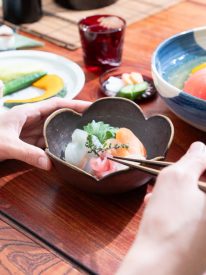
The Hozan Kiln’s Flower-Shaped Kobachi Bowl embodies the earthy textures and colors characteristic of Bizen ware. Its coarse texture, exquisite hues, and intricate patterns, shaped by the kiln’s flames, exemplify Bizen warethe art of clay and fire. Without any artificial decorations, the bowl stands out with its bold presence. The petal-shaped rim displays natural hues…
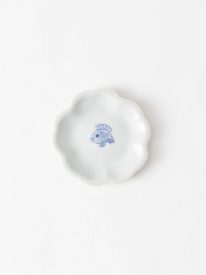
This sakura-shaped sauce plate features a hand-painted sea bream, a symbol of good fortune in Japan often associated with celebrations. It makes a thoughtful gift for expressing gratitude or congratulations. Perfectly sized for serving sauces, nuts, or candies, it also works beautifully as a small dish for relishes or side portions. Place it on a…
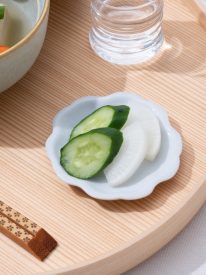
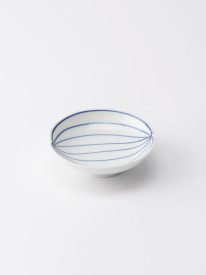
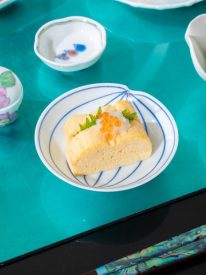
On this white porcelain sauce plate, lines in sometsuke “Blue and White” style form smooth and elegant curves, representing leaf veins. These lines are hand-painted by artisans, with subtle variations in thickness and shade making each unique. When using this plate, you can feel a closeness to nature. Sometsuke is a technique that applies indigo color…
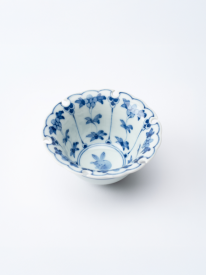
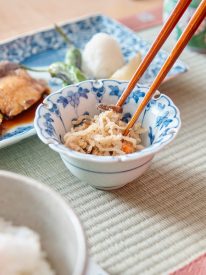
This elegant kobachi small bowl is crafted by Takayama, renowned for Hasami porcelain. In the timeless blue and white of sometsuke, it features at its center an adorable rabbita lovely discovery for the diner once they’ve eaten the cuisine inside. Surrounding the sides is a traditional wari-kusabana pattern: stemmed flowers and grass separated from each…
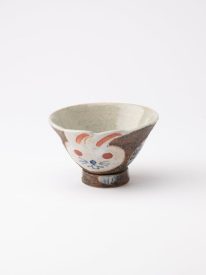
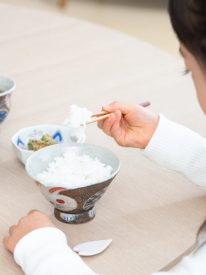
Enjoy eating rice from this bowl with the cute bunny rabbit from Kousai Kiln. This charmingly designed rice bowl is handmade combining the Shigaraki style of yakishime (high-fired unglazed ceramics) and the traditional somenishiki, a technique where a product is first glazed with white and blue patterns and then is further decorated with detailed hand-painted drawings. Stoneware…
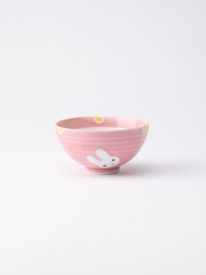
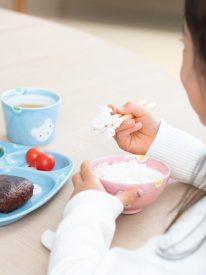
Serve just the right amount of rice to your little ones with this Hasami ware Japanese rice bowl from Oshin Kiln. The rice bowl comes in an adorable soft pink color with cute rabbit faces on the sides. Three yellow polka-dots mark the edge of the bowl. The inside of the rice bowl is in…

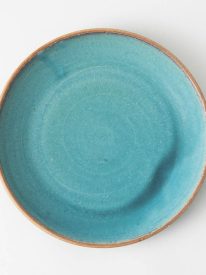 Summum Dinner Plate 10 In
 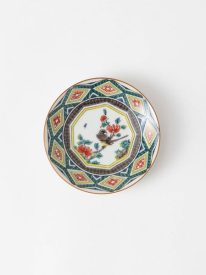 Red Flower and Bird Sauce Plate
  Cats In Sunny Spot Chopstick Rest Pair
 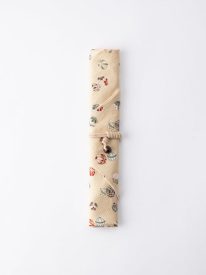 Autumn Temari Ball Chopsticks Case
 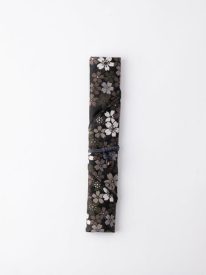 Winter Sakura Chopsticks Case
 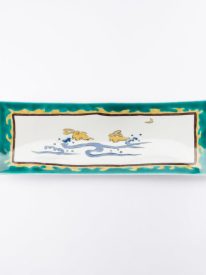 Ko-Kutani Rabbit Rectangular Platter
 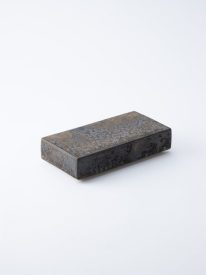 Bijou Dark Brown Crystalline Glaze Side Plate
  Golden Rabbit Dessert Spoon
 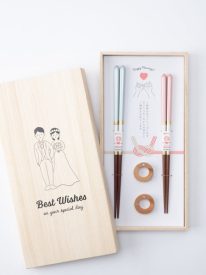 Wedding Gift Chopsticks Pair Set with Chopstick Rests
 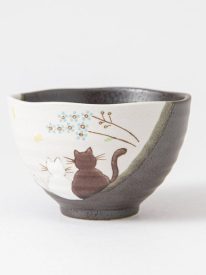 Cats In Sunny Spot Japanese Rice Bowl
 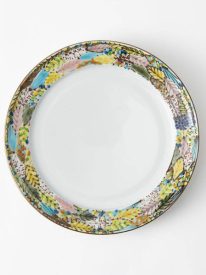 Hamorebi Round Dinner Plate 8.2 in
 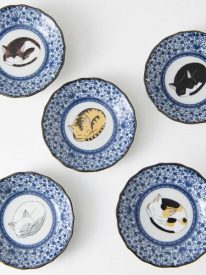 Sleeping Cat Kutani Sauce Plate Set
 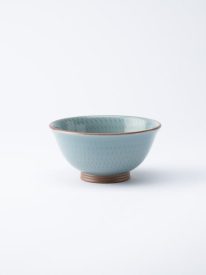 Soryu Kiln Celadon Tobikanna Kiyomizu Ware Rice Bowl
 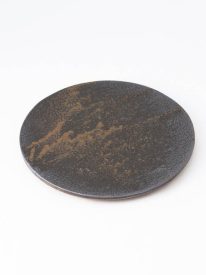 Ash Glaze Footed Round Dinner Plate
 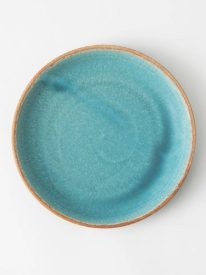 Summum Dinner Plate 8.2 In
  Sakura Bloom and Leaves Chopsticks Rest
 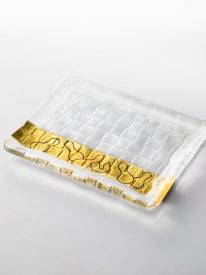 Yoshita Kasho Six Gourds Maki-e Glass Rectangle Plate
 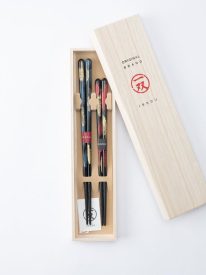 Akebono Chopsticks Pair Set
 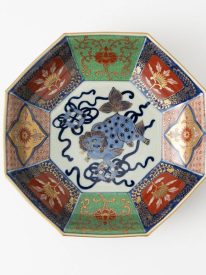 Old Imari Lion and Peony Large Bowl
 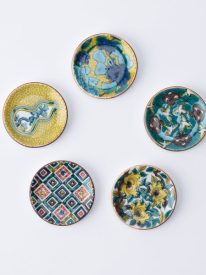 Patterned Chopstick Rest Set
 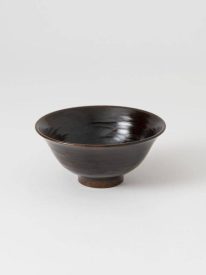 Japanese cherry birch Yamanaka Lacquerware Japanese Rice Bowl
 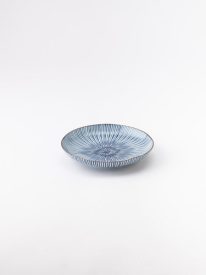 Fukuhou Kiln Tokusa Hasami Plate 5.1in