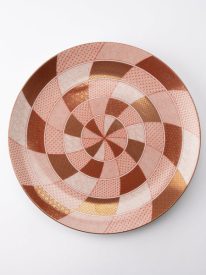
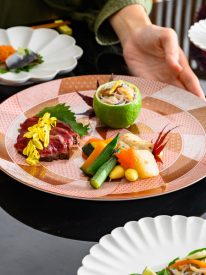
A simply stunning plate with finely detailed traditional patterns in various shades of red decorated with gold. Akae, or “red painting,” is one of the classic techniques of Kutani Ware. Detailed patterns with differing shades of a red pigment are added to the Kutani ware that fully cover the surface of the item. To add…
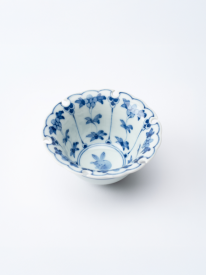
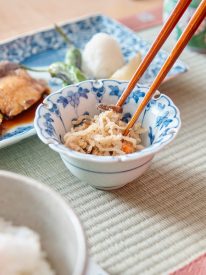
This elegant kobachi small bowl is crafted by Takayama, renowned for Hasami porcelain. In the timeless blue and white of sometsuke, it features at its center an adorable rabbita lovely discovery for the diner once they’ve eaten the cuisine inside. Surrounding the sides is a traditional wari-kusabana pattern: stemmed flowers and grass separated from each…
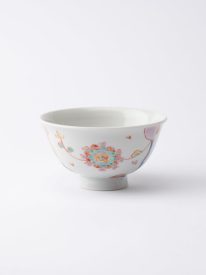
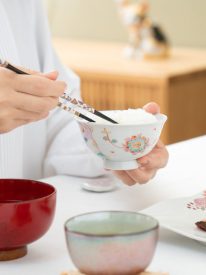
This rice bowl features flower shaped balloon delicately painted by artisans of Ginshu Kiln, which is especially known as its romantic and playful pastel colored painting. The painted areas have a slightly raised texture, a characteristic of Kutani ware, which is traditionally hand-painted using Japanese coloring pigments and a brush. With a diameter of 10.5 cm(4.1…
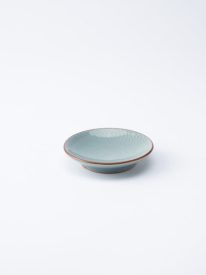
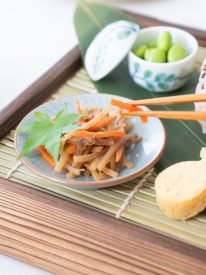
Celadon often being used in large porcelain for artistic purposes, but this is a charming sauce plate that can fit in your palm. The rim exposes the outlines of the red clay, an exquisite balance between the elegance of emerald celadon and the rustic red soil. The base is of brown color and unglazed, once held in…
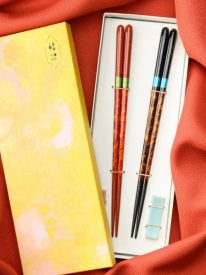
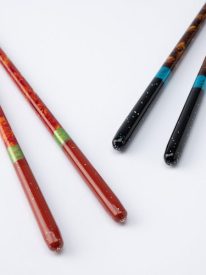
Bearing the eloquent name yozora, meaning “night sky,” these elegant chopsticks from Matsukan’s Crystal series encapsulate the beauty of a star-studded expanse. The deep black pair expresses the enchanting ambiance of evening as it embraces the depth of the night. In contrast, the radiant red pair embodies the luminosity of dawn, bringing forth the allure…
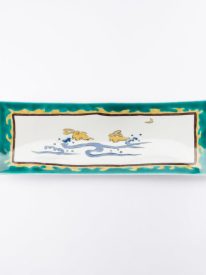
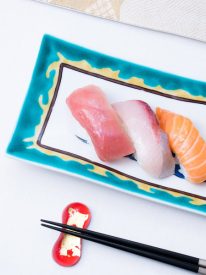
This rectangular platter, painted in the Ko-Kutani (old Kutani) styleone of the most distinguished painting styles of Kutani warefeatures two rabbits and a flowing stream of water. Completely hand-painted, the vibrant colors stand out beautifully against the pristine white background, creating a striking contrast. Even the foot of the platter is finished in green, showcasing…
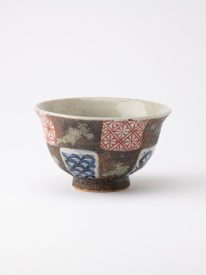
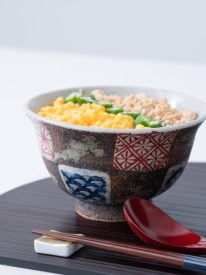
This regular-sized donburi bowl features a charming checkered pattern over an unglazed rustic brown background. Adorned with various traditional designs like the asanoha “hemp leaf” pattern and seigaiha “wave” pattern, each symbolizes continuity and prosperity, carrying the auspicious wish that good fortune will last forever. Its depth helps retain the food’s warmth while adding a…
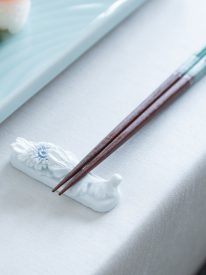
Adorned with a delicate chrysanthemum and its flowing leaves, this chopstick rest is a true work of art from Mikawachi ware. Compact yet intricate, it showcases a mastery of traditional Japanese craftsmanship, making it a thoughtful addition to your table for hosting or a meaningful gift for someone special. Crafted from Amakusa ceramic stone sourced…
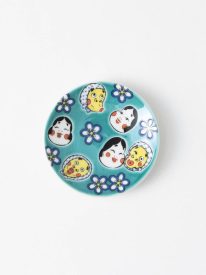
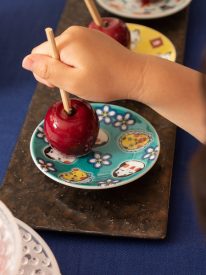
This Japanese sauce plate features the humorous okame (female) and hyottoko (male) masks, traditionally used as clown-like characters in kaguraa sacred dance and song dedicated to the gods at Shinto shrines. These masks are believed to bring good fortune and ward off evil. With its perfect size for sauces, this plate is also versatile for…
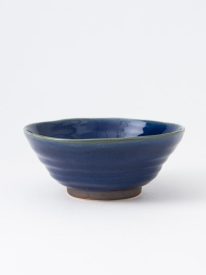
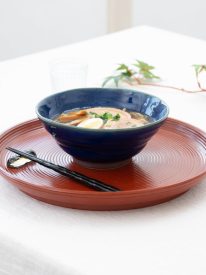
This bowl features a stunning glossy indigo glaze. The hand-shaped rim, crafted on a potter’s wheel, showcases graceful organic lines that give the bowl a unique rustic elegance. Its lustrous finish adds a layer of sophistication, enhancing your dining experience. It’s perfect for serving noodles such as ramen, udon, and soba. Its size also makes…
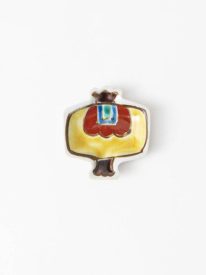
This sauce plate features the shape and painting of mallet of lucky, which is said to bring luck to whom shakes it. It is one of the treasures that appear in Japanese narratives and old stories. Perfectly sized as a sauce plate, it is also versatile enough to serve cheese, nuts, condiments, and other small bites….
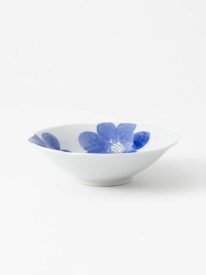
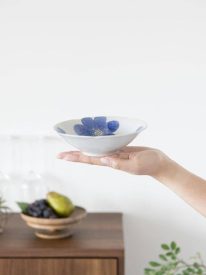
This beautiful bowl features soft blue flowers as if painted with watercolors. The bright design and shape of the rim resembles blooming flowers, bringing joyful atmosphere on the table. It is painted by the female artist, Alyne Ohigashi, who was born in Philippines. She uses a unique technique called washi-zome (Japanese paper dyeing) and continues her…

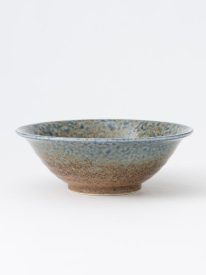 Sand Indigo Ramen Bowl S
 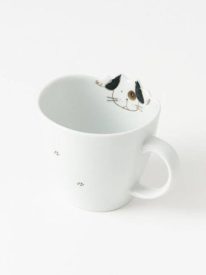 Dog Wave Mug
 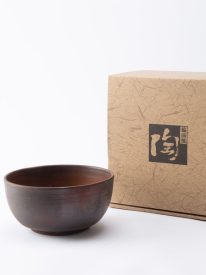 Sangiri Donburi Bowl L
 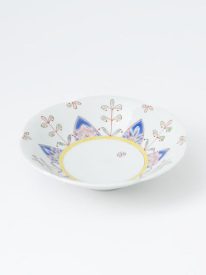 Blue Dream Medium Bowl
 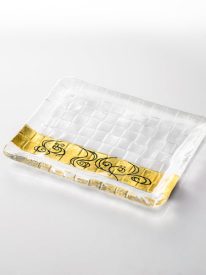 Yoshita Kasho Water Stream Maki-e Glass Rectangle Plate
 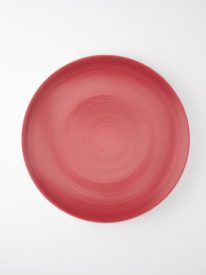 Japan Autumn Red Dinner Plate 11.7 in
 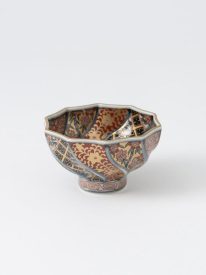 Old Imari Twist Kobachi Small Bowl